

May 21, 2026
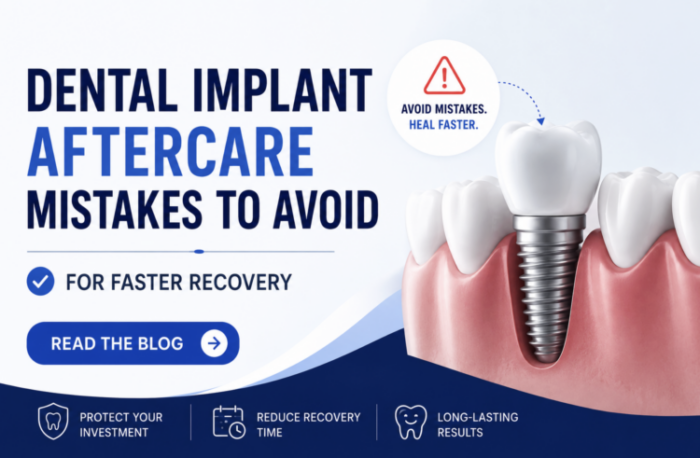
Proper dental implant aftercare is one of the biggest factors in how well your implant heals, how comfortable recovery feels, and how long your result lasts. What you do after implant placement can protect the surgical site, support bone healing, and reduce the risk of infection or implant failure.
This guide covers the most common aftercare mistakes from the first day after dental implant surgery through long term maintenance. It is written for patients who have recently had implant surgery, are preparing for dental implant surgery, or are considering dental implants as a permanent solution for missing teeth. It explains what to avoid, what to do instead, and when to call your dental team.
Poor aftercare can lead to implant failure, infection, and costly complications that are often preventable with proper care. The best practices for dental implant aftercare involve protecting the blood clot, managing swelling, and avoiding any pressure or suction at the surgical site.
By the end, you will understand how to:
- Avoid common mistakes that disrupt healing
- Support the healing process during the initial healing period
- Protect your investment in dental implants
- Maintain good oral hygiene without irritating the implant site
- Work with Lasting Smiles for long term success and a confident smile
Understanding Dental Implant Aftercare Fundamentals
Dental implant aftercare includes every step you take after implant placement to protect the implant area, support tissue repair, and help the bone bond to the implant surface. It includes wound care, pain control, diet changes, oral hygiene, activity restrictions, regular check ups, and long term implant care.
Dental implants depend on osseointegration, the process where the jawbone grows and bonds to the implant surface. The initial healing period after dental implant surgery typically takes 2 to 4 weeks, during which osseointegration begins as the bone grows and bonds to the implant surface. The complete fusion between the implant and jawbone, known as osseointegration, can take 3 to 6 months, and regular check-ups are important to monitor the implant’s integration and stability; understanding the different dental implant healing stages can make this timeline feel more predictable, especially when you pair it with our overview of dental implants, sedation, and cosmetic dentistry at Lasting Smiles.
The Critical First 72 Hours
The first 72 hours set the foundation for the entire healing process. During this time, your body forms a protective blood clot, swelling and bruising develop, and the gum tissue begins early repair around the implant site.
During the first few days after dental implant surgery, it is important to keep the surgical site clean and avoid touching it with fingers or the tongue to promote healing. No sucking or straws to avoid dislodging the healing blood clot. Avoid steaming hot foods and liquids on day one, as heat stimulates bleeding.
It is recommended to apply ice packs intermittently during the first 48 hours after surgery to manage postoperative swelling effectively. Swelling and pain typically peak around day 2 or 3 and should steadily improve after that.
Long-term Maintenance Phase
Once the surgical area has healed and the implant becomes stable, dental implant care shifts from recovery to maintenance. Long term maintenance includes brushing and flossing, professional cleanings, monitoring the gum tissue around the implant, and protecting the implant from excessive force, and following ongoing dental implant maintenance guidelines.
Maintaining good oral hygiene after dental implants is crucial to prevent complications such as infection and implant failure. A strict routine of gentle, localized hygiene during healing combined with non-abrasive cleaning tools is the most effective way to protect implants. Lasting Smiles helps patients understand this stage clearly, because implant success depends not only on advanced technology and surgery, but also on daily care at home, and our broader dental implant treatment options and benefits can help you understand how aftercare fits into your overall plan.
Immediate Post-Surgery Aftercare Mistakes
The first few weeks after oral surgery are when many avoidable problems begin. Most patients want to return to normal eating habits, normal activities, and familiar brushing routines quickly, but the implant site needs time to stabilize, and understanding what to expect after dental implants are installed can help you pace your recovery.
Ignoring Pain Management Protocols
One common mistake is waiting until discomfort becomes severe before taking recommended medication. Pain control works best when you follow your oral surgeon’s instructions, especially before numbness from local anesthesia or IV sedation fully wears off.
If narcotic pain medications are prescribed, take them only as directed and avoid driving, alcohol, or other unsafe combinations unless your dentist says otherwise. Over-the-counter options may also be recommended, but dosage matters. Persistent pain that worsens after the first few days is not something to ignore, especially when you consider the broader dental implant recovery timeline, discomfort, and risks.
Improper Wound Care and Cleaning
Another mistake is either cleaning too aggressively or not cleaning enough. Brushing directly over fresh gum tissue, using a hard brush, touching the surgical site, or rinsing forcefully can disrupt healing. On the other hand, neglecting oral hygiene allows bacteria and plaque buildup to increase infection risk.
Patients are advised to gently rinse their mouth with warm salt water after 24 hours post-surgery to help reduce swelling and prevent infection. Patients can usually resume gentle brushing the day after surgery, avoiding direct contact with the surgical site initially, and can clean around the implant more thoroughly after 3-5 days. Patients should resume gentle brushing within a day or two after surgery, avoiding direct contact with the surgical site initially, and can refer to our broader dental advice on implants and oral health for additional hygiene tips.
Dietary Violations During Recovery
Food choices play a crucial role in healing. Modify your diet to stick to soft food, such as smoothies, mashed potatoes, yogurt, for the first week after surgery. After dental implant surgery, it is recommended to start with soft foods that require minimal chewing, such as mashed potatoes, yogurt, smoothies, and soups, before gradually returning to a normal diet as outlined in our guide on when you can eat normally after implants.
During the initial healing period, patients should avoid hard, crunchy, sticky, or chewy foods, as these can place unnecessary pressure on the implant site. Staying hydrated is essential for recovery after dental implant surgery; patients should drink plenty of water and limit sugary drinks and alcohol, which may hinder healing. Avoid chewing directly on the implant side until Lasting Smiles confirms it is safe to add more solid foods.
Critical Recovery Protocols and Common Violations
Good dental implant aftercare is easier when you know what to do at each stage. The goal is to promote healing, prevent plaque buildup, avoid pressure around the implant, and keep the surgical area protected while the bone begins to integrate, and it starts with choosing the right provider, understanding that not all dental implant procedures are the same, and reviewing a comprehensive guide to dental implant pain, risks, and healing.
Proper Recovery Timeline and Activities
Use this general recovery timeline as a guide, but always follow the specific instructions from Lasting Smiles or your oral surgeon:
- Day 1: Protect the blood clot, rest with your head elevated, use an ice pack or cold compresses as instructed, and avoid rinsing, spitting, straws, smoking, and hot foods or liquids.
- Days 2–3: Gently rinse with warm salt water after meals, continue soft foods, manage swelling, and avoid touching the implant area with your tongue or fingers.
- Days 4–7: Continue a soft food diet, avoid hard foods and sticky foods, and clean nearby teeth gently with a soft bristled toothbrush.
- Weeks 2–4: Gum tissue continues healing, and you may gradually improve cleaning around the implant as directed. Do not rush back to solid foods or heavy chewing.
- Months 2–6: Osseointegration continues. Most patients can return to normal activities within a few days after surgery, but full recovery and osseointegration can take several months.
- After restoration: Once the crown, bridge, or denture is attached, continue regular dental check ups, daily implant care, and protection from habits that damage natural teeth and implants.
Following dental implant surgery, it is crucial to avoid strenuous activities for the first few days to prevent disruption of the healing process.
Oral Hygiene Mistakes vs. Proper Techniques
Common mistake | Why it can disrupt healing | Proper technique |
|---|---|---|
Brushing directly over the surgical site too soon | Can irritate gum tissue, disturb the clot, and delay tissue repair | Use gentle brushing near the area and avoid direct contact at first |
Using a stiff brush or abrasive paste | Can scratch tissues and irritate the implant area | Use a soft bristled toothbrush and non abrasive toothpaste |
Skipping cleaning because the area feels tender | Allows plaque buildup and bacteria to collect around the implant | Maintain good oral hygiene with careful, localized cleaning |
Rinsing forcefully or using harsh mouthwash too early | Can disturb the surgical area and increase discomfort | Gently rinse with warm salt water after 24 hours, then use products as directed |
Flossing incorrectly around the implant | Can injure healing tissue or miss hard-to-reach plaque | Use specialized floss to clean daily with an implant-specific floss threader |
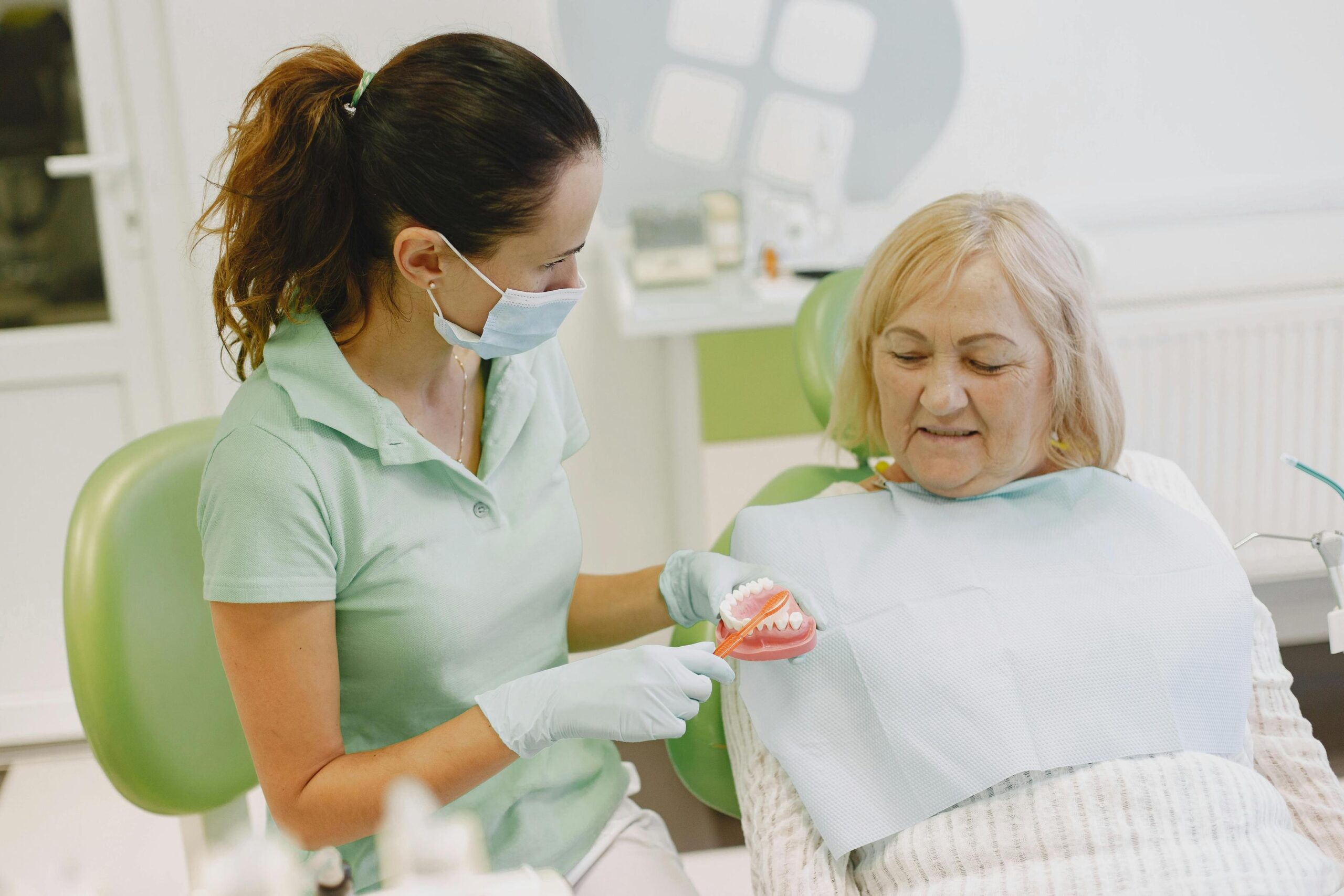
Brush teeth for a full two minutes, angling the bristles at 45 degrees toward the gumline. Flossing daily is essential to prevent plaque buildup around dental implants, and using special floss designed for dental work can help clean hard-to-reach areas. Using an antibacterial mouthwash daily can help reduce bacteria in the mouth, promoting healing and preventing infections around dental implants. | ||
The right technique changes as healing progresses. In the early stage, the focus is protection. Later, the focus becomes thorough cleaning around the implant, similar to the care you give natural teeth, but with implant-safe tools. |
Common Challenges and Solutions
Even well-intentioned patients can make mistakes because recovery often feels better before the implant is fully stable. Lasting Smiles helps patients avoid this problem by explaining each stage of the dental implant process and giving clear instructions for home care, building on our role as an expert dental implant center for smile restoration and our broader dental implants, sedation, and cosmetic dentistry services.
Premature Return to Normal Activities ⛹
A common challenge is feeling ready for exercise, lifting, or a busy schedule too soon. Increased blood flow from strenuous activities can worsen bleeding, swelling, or discomfort in the first few days.
The safest approach is to rest early, avoid strenuous activities for the first few days, and return gradually based on your dentist’s instructions. Most patients return to light normal activities within a few days, but that does not mean the bone has completed healing.
Inconsistent Follow-up Care 🩺
Skipping follow-up visits can allow small problems to become serious. Regular check ups help Lasting Smiles monitor the implant, gum tissue, bite forces, and signs of inflammation around the implant, which is a key part of long-term dental implant care tips and also ties into understanding insurance coverage, costs, and financing for dental implants.
Long term success depends on communication. If your schedule changes, call to reschedule promptly. Follow-up appointments are part of proper aftercare, not optional extras.
Misunderstanding Warning Signs ⚠️
Some discomfort, swelling and bruising are expected after surgery, but unusual symptoms should be taken seriously. Contact your dentist immediately if you experience any signs of complications such as continuous bleeding or severe swelling.
Signs of complications include a shifting or loose sensation in the implant crown, severe swelling, or pus discharge from the surrounding gum tissue. Persistent pain, fever, worsening swelling after day 3, a bad taste, or movement in the implant should also be reported promptly.
Smoking and tobacco products are especially important to avoid. Nicotine severely restricts blood flow, significantly increasing the risk of implant failure, especially for patients exploring advanced dental implant solutions for severe bone loss. Smoking constricts the blood vessels in your gums, severely reducing healing capacity and doubling the risk of long-term implant failure, which is especially important to remember if you are considering our dental implant destination services and Smile Getaway program.
Conclusion and Next Steps
Dental implant aftercare mistakes are preventable when patients understand what protects healing and what puts the implant at risk. Proper care after dental implant surgery supports comfort, helps reduce bacteria, protects the surgical site, and improves the chance of long term success.
Your next steps are:
- Follow your written instructions from Lasting Smiles for medication, rinsing, diet, and activity.
- Stay on soft foods during early healing, including smoothies, mashed potatoes, yogurt, and soups.
- Avoid smoking, straws, alcohol, hard foods, sticky foods, and heavy chewing until you are cleared.
- Maintain oral hygiene carefully with gentle brushing, non-abrasive tools, and implant-safe flossing when approved.
- Call Lasting Smiles promptly if you notice continuous bleeding, severe swelling, pus, persistent pain, or a loose sensation.
Lasting Smiles provides comprehensive aftercare support and education so every patient understands the importance of home care after implant surgery. If you are considering dental implants for missing teeth or already have an implant, ask the team about implant maintenance, long-term care, and how to protect your overall oral health, including the pros and cons of choosing dental implants, and use our contact and consultation options to book a visit.
Additional Resources
Use these resources from Lasting Smiles to make recovery easier, explore our implant, sedation, and oral care tips blog for deeper education, our guide debunking common dental implant myths to clear up misinformation, our before and after smile gallery with real transformations, and our contact and consultation page when you’re ready to schedule care:
- Aftercare instruction sheets: Step-by-step guidance for the first 24 hours, first week, and long term maintenance.
- Emergency contact information: Call Lasting Smiles immediately for continuous bleeding, severe swelling, pus discharge, a loose implant crown, or other unusual symptoms.
- Recovery timeline checklist: A simple way to track soft foods, medication timing, warm salt water rinses, activity limits, and follow-up appointments.
- Warning signs quick reference guide: A reminder of symptoms that need prompt dental attention,
Share
Recent Articles

Transform Your Smile with Composite Veneers in West Covina | Lasting Smiles
October 21, 2026
Considering composite veneers in West Covina? Discover everything you need to know about costs, same-day application procedures, pros and cons, and how composite...

The Ultimate Teeth Payment Plan Guide: Can Full-Mouth Implants Fit Under $300/Month?
October 14, 2026
Discover how flexible teeth payment plans, 0% APR financing, and low monthly payment options can make full-mouth dental implants fit comfortably into your...
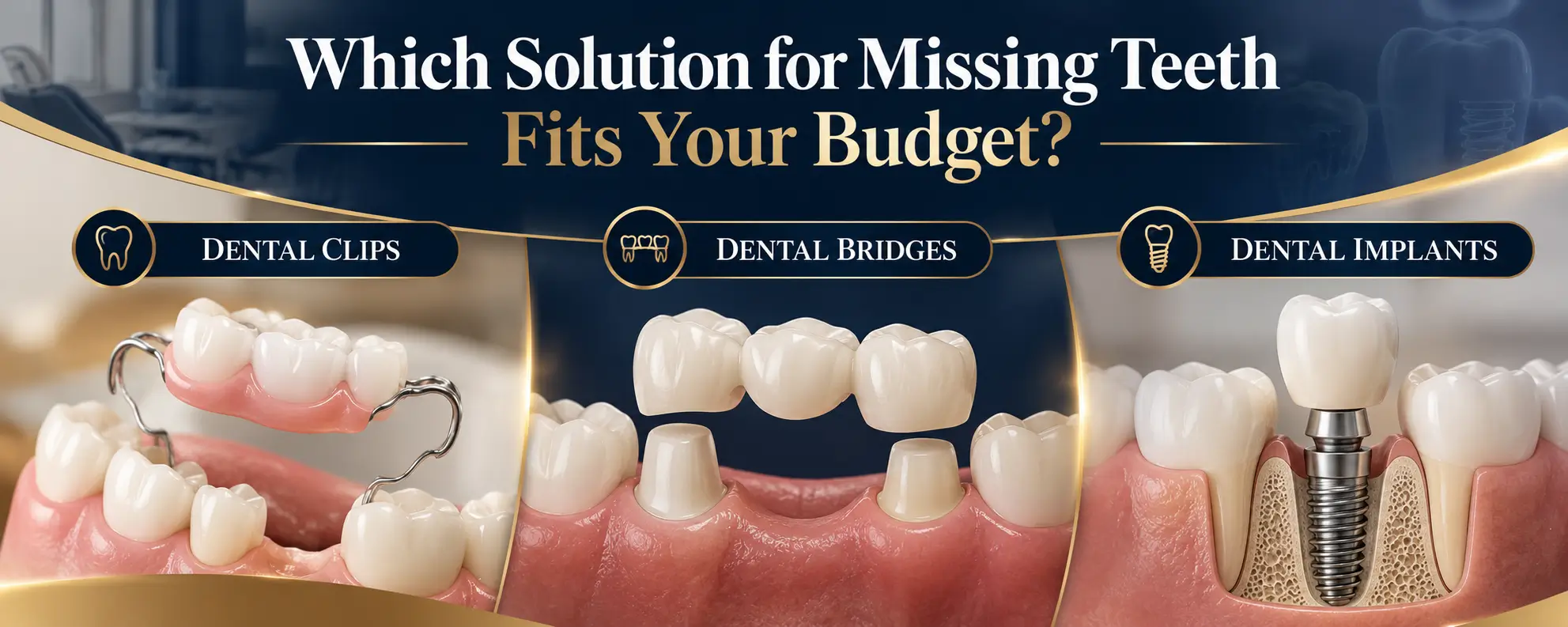
Dental Clips vs Dental Implant vs Dental Bridges: Which Solution for Missing Teeth Fits Your Budget?
October 6, 2026
Deciding between a dental clip, a bridge, or a dental implant? Discover how each option compares in upfront cost, lifespan, maintenance, and long-term...