

June 11, 2026

If you have been thinking about dental cosmetic dentistry, such as replacing missing teeth or refreshing your smile, you are not alone. Every year, millions of adults explore cosmetic dentistry and dental implants to restore comfort, function, and confidence. This guide walks you through the first steps-from consultation to financing-so you know exactly what to expect before you ever sit in the chair.
Are dental implants a cosmetic dental procedure or something more?
Dental implants sit at the intersection of cosmetic and restorative care. A single dental implant consists of a titanium post placed into the jawbone, an abutment connector, and a dental crown that replicates the visible tooth. For patients with many missing teeth, full-arch dental implants use four to six posts to support an entire fixed bridge of teeth.
Beyond appearance, implants preserve jawbone volume, restore chewing strength, and maintain facial shape. Modern implant dentistry produces crowns that mimic natural enamel in translucency and shade, blending seamlessly with your natural teeth. This makes implants both a cosmetic treatment and a long-term health investment.
Who is a good candidate for cosmetic dentistry and dental implants?
Most healthy adults can benefit from some form of cosmetic dental services. Common concerns include missing teeth, loose dentures, chipped or stained teeth, gaps, worn teeth, tooth size discrepancies, or old dental work that no longer looks natural.
For implants specifically, candidates need healthy gums, sufficient jawbone volume (or willingness to consider bone grafting), and no uncontrolled conditions. A healthy foundation, such as addressing cavities, tooth decay, or gum disease, must usually be treated by a general dentist before cosmetic enhancements are performed. Many cosmetic dental procedures can help prevent further damage by increasing tooth stability and restoring function, contributing to long-term oral health. If you were told years ago that you were not a candidate, today’s imaging and implant designs-shorter posts, angled placement, bone augmentation-may change that answer.
What to expect at your first implant consultation
Your first visit is about education and planning, not treatment. Here is what typically happens:
- A discussion of your goals-single tooth replacement, full-arch restoration, a brighter smile, or updating old crowns
- A full oral exam, digital X-rays, and 3D cone beam CT scans to evaluate bone, sinuses, nerves, and existing dental structures
- A medical history review covering medications, previous dental procedures, and habits like smoking
- A treatment plan discussion comparing options: single dental implants, implant bridges, full-arch solutions, or alternatives like partial dentures
- Digital smile previews or mock-ups so you can visualize the cosmetic dental outcome before committing
No procedures are performed unless previously agreed. The focus is on answering your questions and building a personalized plan with your dental professionals.
Step-by-step: single dental implant process
The journey from first exam to final crown follows a clear path. Planning begins with 3D imaging to measure bone width, height, and density, then selecting the ideal implant size and position. During the placement visit, local anesthesia numbs the area while the titanium post is gently set into the bone. Over three to six months, the implant fuses with the jawbone through osseointegration. For front teeth, a temporary cosmetic crown keeps your smile intact during healing. At the final restoration visit, a custom-shaded crown-color matched to nearby teeth-is placed and the bite is precisely adjusted. Aftercare involves soft foods for a few days, over-the-counter pain relief, careful brushing, and follow-up checks.
Step-by-step: full-arch dental implants and implant-supported teeth
For patients missing most or all teeth, full-arch dental implants provide a fixed set of teeth anchored by four to six implants per jaw. Consultation includes CT imaging, digital jaw measurements, bite analysis, and smile design covering tooth length, color, and shape. On surgery day, remaining hopeless teeth are removed if needed, implants are placed, and in many cases a same-day temporary bridge is attached-so you leave with a working smile. Healing takes three to six months, during which the temporary prosthesis is adjusted for comfort. The final permanent bridge delivers upgraded strength, detailed aesthetics, and a fine-tuned bite. Most patients transitioning from traditional dentures find implant-supported arches dramatically more stable-no slipping, stronger biting, and fewer dietary restrictions.
Cosmetic concerns: how implants, crowns, and bonding improve your smile
Replacing a dark or failing tooth with an implant and porcelain crown restores symmetry and shade instantly. Dental bonding can camouflage small chips or worn edges on a tooth’s surface without removing much natural tooth structure, often in one visit. Old, mismatched crowns or a discolored dental filling can be swapped for modern ceramic restorations and tooth-colored fillings for a unified, natural looking cosmetic dental result. Combining implants with veneers, whitening, or gum contouring creates a complete smile makeover. Shade selection, tooth shape, and gum symmetry are all discussed ahead of time so the final appearance of your smile feels natural-not overdone.
Does cosmetic dentistry hurt? Addressing fears about pain and surgery
Fear of pain is one of the biggest reasons adults delay cosmetic procedures and implants. Local anesthesia blocks sharp pain during dental procedures; most patients report feeling pressure and vibration rather than discomfort. For anxious patients, options include nitrous oxide, oral sedation, or IV sedation depending on the procedure. Many patients describe implant discomfort after surgery as milder than a tooth extraction, manageable with over-the-counter medications and cold compresses. Swelling and mild soreness typically last two to three days and improve steadily. Your dentist provides detailed home-care instructions, emergency contact information, and scheduled follow-up visits so you are never left guessing.
Healing and recovery after implant and cosmetic dental procedures
Soft tissue healing after implant placement usually takes a few weeks, while bone integration occurs gradually over several months. During the first twenty-four to forty-eight hours, stick to very soft foods and cool liquids, then progress to a more normal diet as your care team advises. Mild bruising and swelling are normal; severe pain, persistent bleeding, or fever should prompt an immediate call to the office. For other cosmetic dentistry services, bonding and whitening require almost no downtime, while gum contouring may need a few rest days. Gentle brushing, saltwater rinses, and avoiding smoking during healing protect both implant success and long lasting results.
How long do cosmetic dentistry and dental implants last?
Dental implants have ten-year survival rates of roughly 95 to 98 percent in favorable conditions. Implant posts can last decades or a lifetime with proper care, while the crowns or bridges on top may eventually need replacement from normal wear. Porcelain veneers and crowns typically last ten to fifteen years, bonding about five to seven years, and whitening results range from months to a few years depending on habits. Oral health maintenance, regular checkups, and avoiding destructive habits extend the life of every cosmetic treatment. Full-arch bridges on implants can often be repaired or updated without replacing all implants.
Financing options and insurance coverage for cosmetic and implant dentistry
Cosmetic dentistry is typically elective and rarely covered by insurance, often requiring full out-of-pocket payment. Most dental insurances do not cover cosmetic procedures, as they are not considered medically necessary. While cosmetic procedures like teeth whitening and dental veneers are typically not covered, some dental procedures deemed medically necessary-such as extractions, bone grafting, or crowns-may be partially covered depending on your plan.
Common payment solutions include in-house financing plans, third-party healthcare credit with zero-percent promotional periods, phased treatment plans that spread care across insurance plan years, and Health Savings or Flexible Spending Accounts. Bring your insurance information to the consultation so staff can provide a personalized estimate. Transparent, written treatment plans with itemized costs help you make informed decisions without financial surprises.
How to choose the right cosmetic dentist or implant provider
Both general and cosmetic dentists earn the same basic degree (DDS or DMD), but cosmetic dentists often pursue additional specialized training. Cosmetic dentistry is not recognized as a specialty by the American Dental Association, meaning any licensed dentist can perform cosmetic procedures-so evaluating experience matters.
When choosing a provider, consider these criteria:
- Years of experience and number of implant cases completed
- Before-and-after photos showing a full range of work on front teeth, crowns, veneers, and full-arch makeovers
- Advanced imaging technology like 3D cone beam CT and digital scanning in one office
- Whether the practice handles consultation, imaging, surgery, and final restorations all in one location
- Whether you feel confident, listened to, and never rushed during your visit
A regular dentist who also offers general dental services alongside implant and cosmetic work can simplify coordination, but specialized training and proven aesthetic results should guide your decision.
Your next step: schedule a cosmetic and implant consultation
A healthy and happy smile resulting from cosmetic dentistry can restore confidence, allowing you to feel comfortable in social situations and everyday life. Whether you need a single implant, a full-arch solution, or any of the cosmetic dentistry treatments described above, the path forward starts with one pressure-free conversation.
At your next appointment, you will ask questions, review imaging, and receive a clear written treatment and financing plan-with zero obligation. Contact the practice by phone or online form to schedule at a time that works for you. A confident smile is closer than you think, and the first step is simply showing up.

Share
Recent Articles
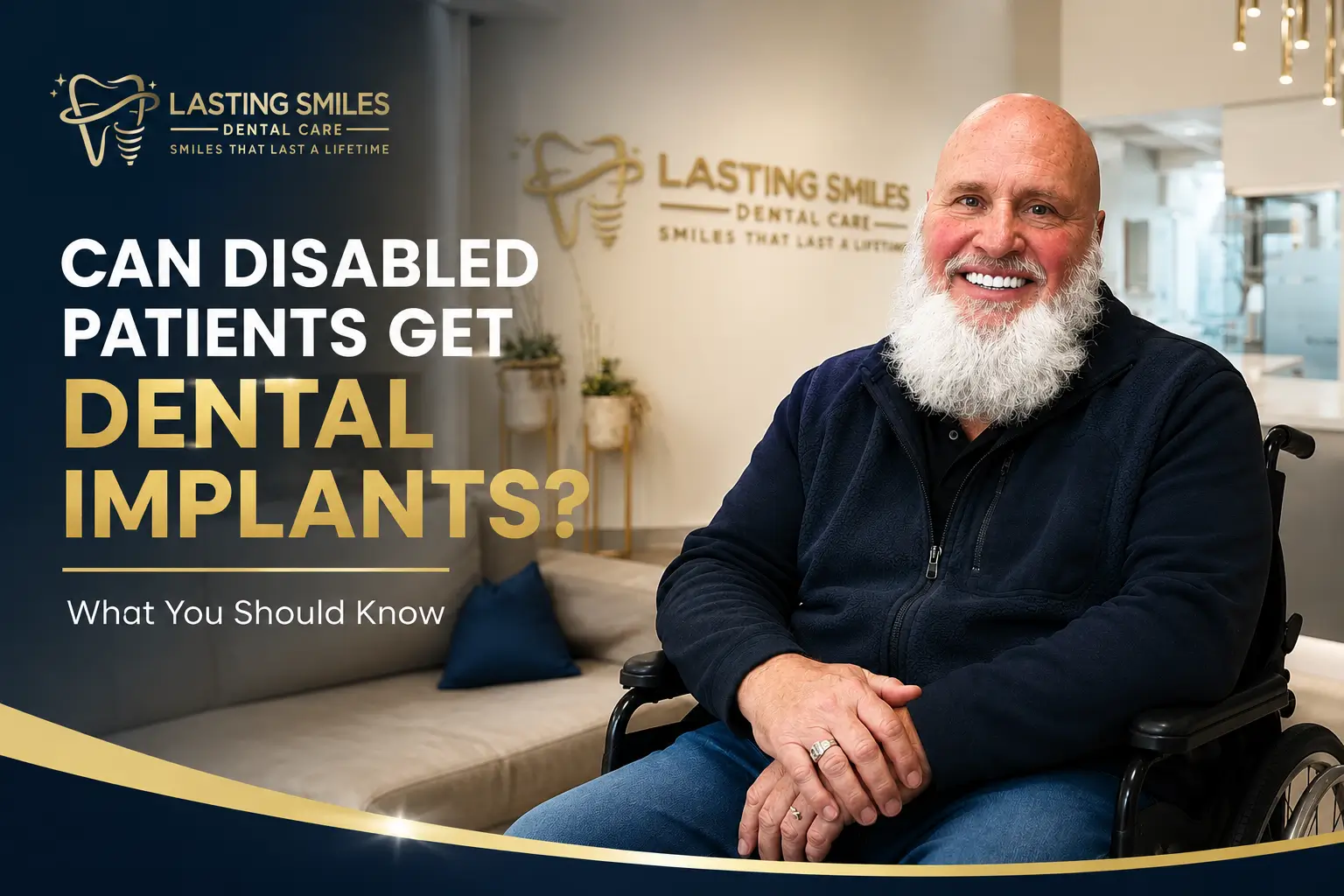
Dental Implants for Disabled Mobility Impaired Patients: What needs to know this 2026?
August 19, 2026
Wheelchair accessible dental suite prepared for a patient receiving a dental implant evaluation...
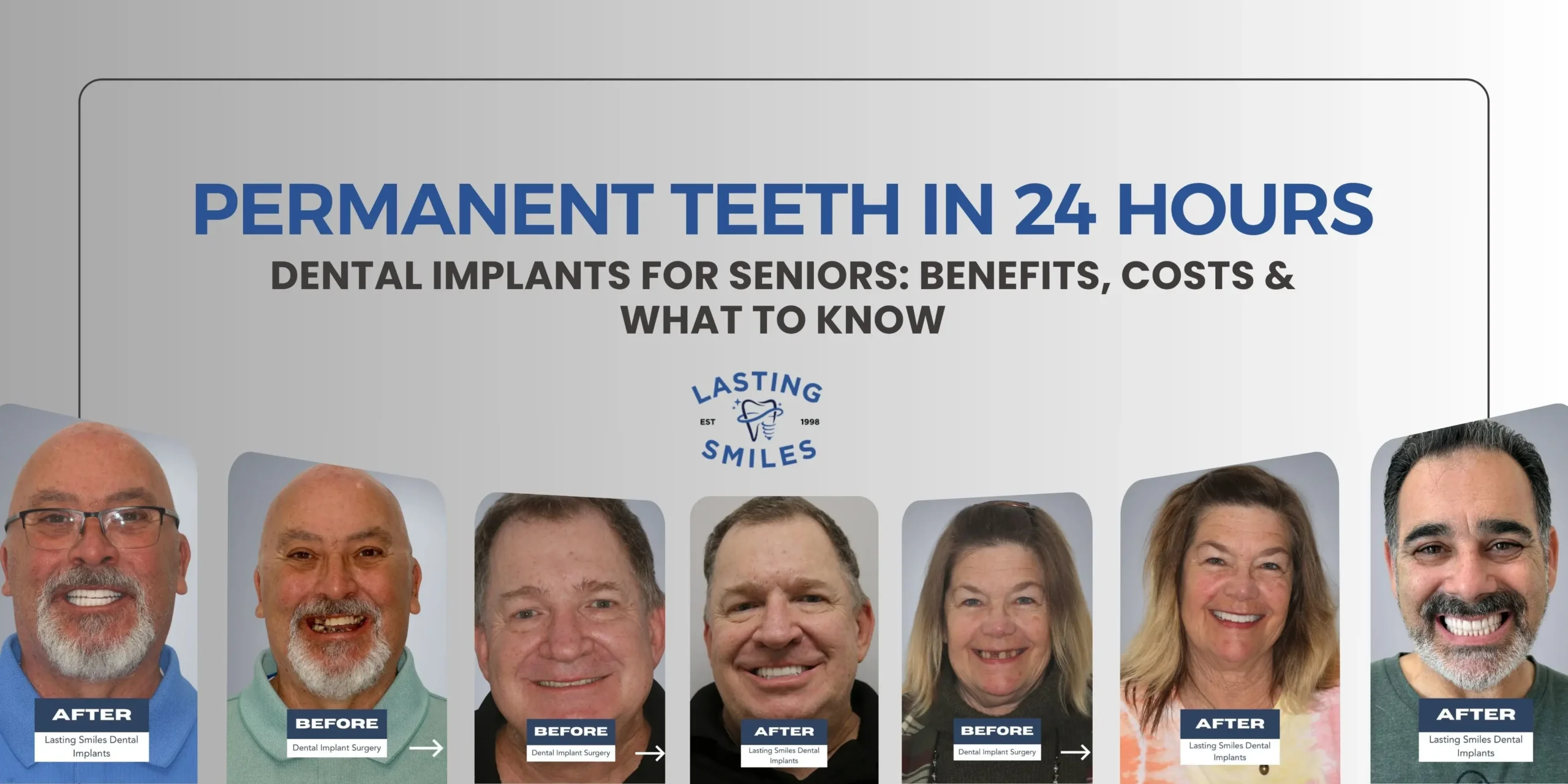
Dental Implants for Seniors: Benefits, Risks & What to Know
August 13, 2026
Dental implants can be an effective long-term solution for seniors who are missing one or more teeth. Learn about the benefits, candidacy requirements,...
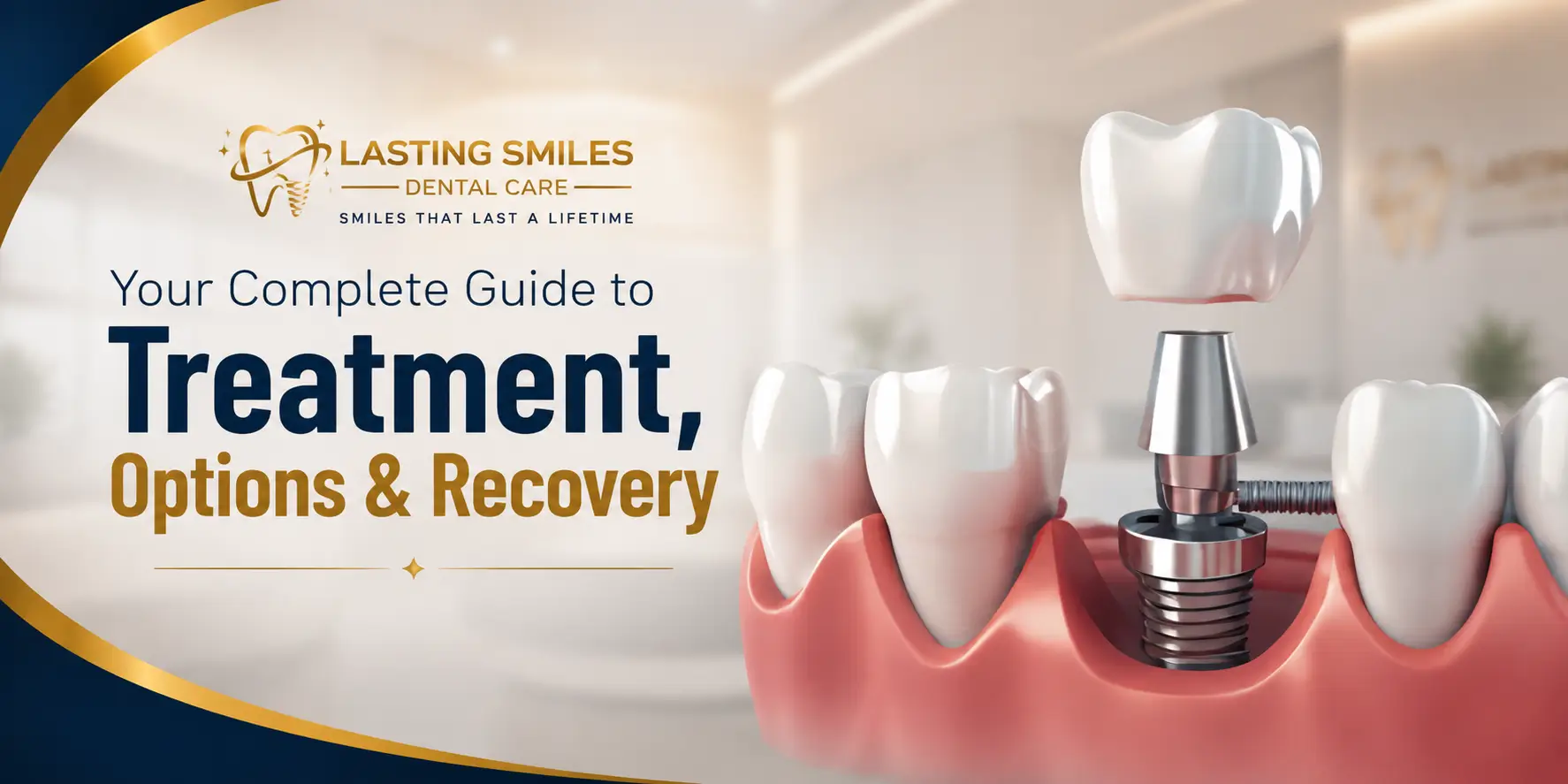
Dental Implant: Complete Guide to Treatment, Options, and What to Expect
August 5, 2026
Why Consider Dental Implants? A dental implant is a titanium or zirconia post surgically placed into the jawbone to serve as an artificial...