

August 5, 2026
Why Consider Dental Implants?
A dental implant is a titanium or zirconia post surgically placed into the jawbone to serve as an artificial tooth root, supporting a dental crown, bridge, or denture. If you are living with damaged or missing teeth, implants may be worth considering – whether you need to replace one missing tooth, fill gaps left by multiple teeth, or secure loose removable dentures that slip while eating or speaking.
Unlike traditional dentures and bridges, dental implants fuse directly with bone, providing superior stability, greater comfort, and long-term preservation of the jaw. Modern dental implant surgery is an outpatient surgery with high success rates when planned properly, though the full process usually takes several months from start to finish.
Here are the core benefits at a glance:
- Function and feel close to natural teeth
- Prevent jawbone deterioration after tooth loss
- No adhesive pastes or clasps required
- Can last a lifetime with proper care
- Support single crowns, bridges, or full-arch dentures
What Are Dental Implants and How Do They Work?
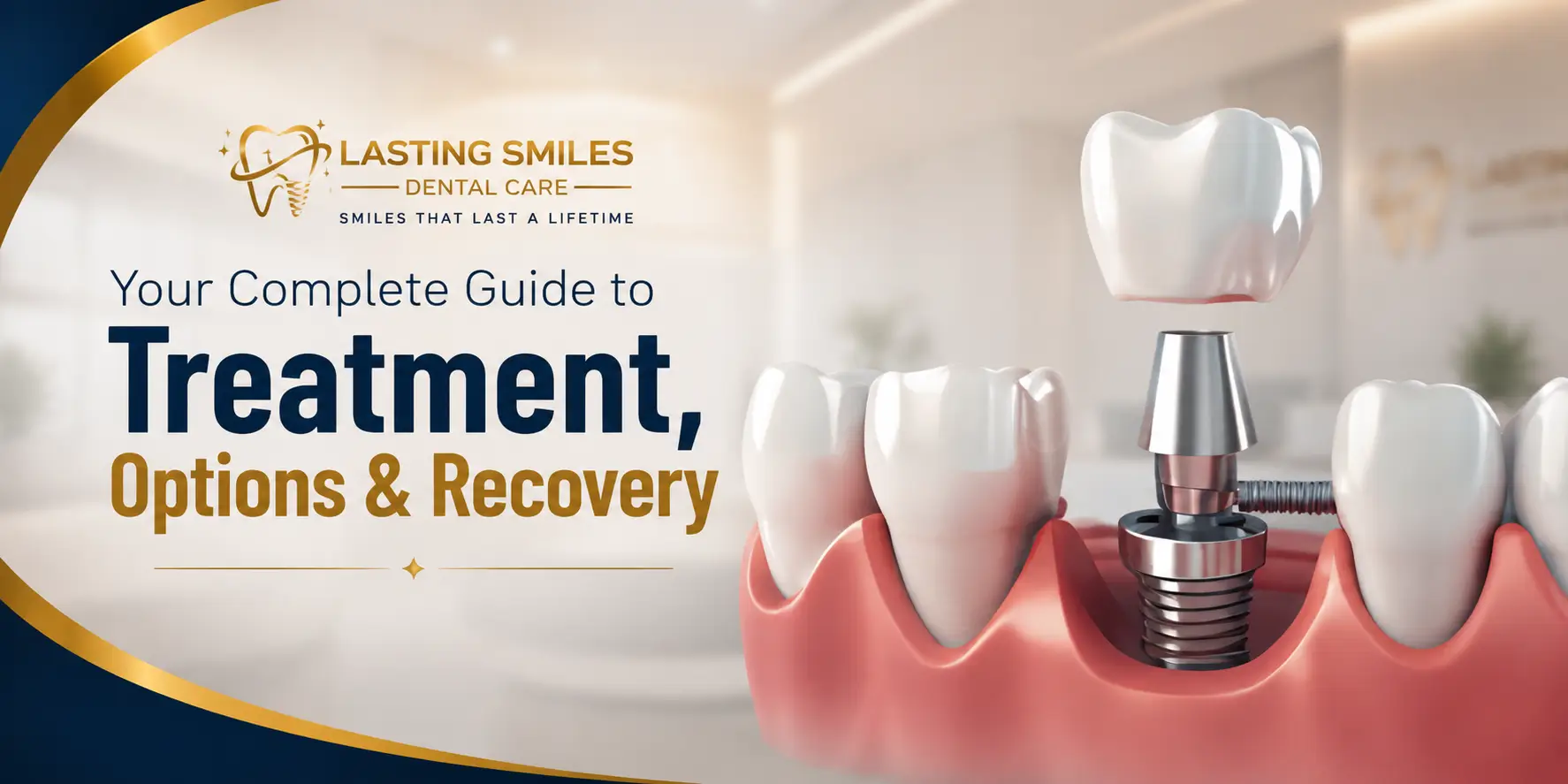
A dental implant system typically consists of three parts: the implant body (a small screw placed into the jawbone), a dental abutment (a connector piece), and a prosthesis such as a dental crown, bridge, or denture. Together, these dental appliances are surgical components that support dental prostheses designed to look and function like real teeth.
The implant post is typically made of biocompatible titanium or zirconia. Once placed, the surrounding bone gradually fuses with the implant surface through a biological process called osseointegration. This bone growth turns the implant into a stable anchor capable of handling normal chewing forces – essentially acting as a new artificial tooth root embedded in the jaw.
Dental implants can support a range of replacement teeth:
- A single crown for one missing tooth
- A multi-unit bridge spanning several lost teeth
- A full-arch denture anchored on four to six implants
Because implants transmit chewing forces directly to the jawbone, they help prevent the bone loss that typically follows tooth extraction. Without stimulation, the surrounding bone shrinks over time, which can cause remaining teeth to shift and change your bite. Implants are the only tooth-replacement option that actively preserves bone volume.
Implants are classified as medical devices and are manufactured to meet rigorous safety standards. Your dental team selects the appropriate system based on your anatomy, health, and restoration goals.
Dental Implants vs. Bridges vs. Dentures: Key Differences Patients Should Know
After tooth loss, you typically have three paths: a fixed dental bridge, a dental implant, or removable dentures. Each has a place in implant dentistry and restorative care, and the right choice depends on your anatomy, health, budget, and personal priorities.
Fixed dental bridge: A bridge replaces one or two missing teeth by anchoring a false tooth (pontic) to crowns cemented on adjacent teeth. This requires permanently removing enamel from those neighboring teeth – a meaningful trade-off if those teeth are otherwise healthy. Bridges work well when the supporting teeth already need crowns or when a patient is not a candidate for implant placement.
Single tooth dental implant: An implant replaces the tooth without touching existing teeth on either side. It supports its own dental crown and preserves bone at the implant site. For single tooth replacement, this is often the most conservative long-term option.
Complete and partial dentures: Removable dentures rest on gums and are held in place by suction, clasps, or adhesive. Conventional dentures and partial dentures are less expensive upfront but come with common complaints: movement during eating and speaking, sore spots, and reduced chewing efficiency. Patients who wear dentures long-term often experience progressive bone loss because dentures do not stimulate the jaw.
Here is how the options compare in practice:
- Longevity: Implants often last decades; bridges typically 10–15 years; dentures 5–10 years before major replacement
- Effect on neighboring teeth: Implants do not require enamel removal from adjacent teeth; bridges do
- Bone preservation: Only implants actively maintain jawbone volume
- Comfort: Implants feel closest to natural teeth; dentures may shift
- Cost range: Implants carry a higher initial cost but may be more economical over 20+ years
- Maintenance: Implants are brushed and flossed like natural teeth; bridges need special floss threaders; dentures require nightly removal and soaking
When might a bridge be better? If you have poor bone and cannot undergo grafting, or if adjacent teeth already need crowns, a bridge can be efficient. When are dentures most realistic? For patients missing all teeth who have budget constraints or cannot tolerate extensive oral surgery. Implant-supported dentures offer a middle ground – better retention than conventional dentures at a lower cost than full fixed bridges.
Who Is a Good Candidate for Dental Implants?
Candidacy for dental implant therapy depends on three main factors: overall systemic health, jawbone quantity and quality, and your ability to maintain good oral hygiene after treatment.
Positive indicators:
- Healthy gums free of active periodontal disease
- Enough healthy bone in height and width to support an implant (confirmed by 3D imaging)
- Non-smoker or willingness to quit – smoking increases the risk of dental implant failure significantly
- Well-controlled systemic conditions like diabetes
- Commitment to regular dental visits after treatment
Relative contraindications:
- Uncontrolled diabetes or immune-suppressing conditions
- Heavy smoking
- Active gum disease requiring treatment first
- Recent radiation therapy to the head and neck
- Age under 18, as the jaw is still developing
- Severe untreated bruxism (teeth grinding)
Even patients with bone loss are not automatically ruled out. Options like a bone graft, sinus lift, or mini dental implants can make treatment possible in cases that initially seem challenging. The key is a thorough evaluation by a dental specialist – typically a periodontist, prosthodontist, or oral and maxillofacial surgeon – who can interpret 3D imaging alongside your medical history and assess the condition of the facial bones.
Types of Dental Implants, Materials, and Sizes
“Dental implants” is a broad term covering several designs. The two categories most patients encounter are standard endosteal implants and mini dental implants.
Standard endosteal implants are the most widely placed type. They feature a two-piece design: a separate implant body (typically 3.0–6.0 mm in diameter) and implant abutments that connect to the crown or prosthesis. These require healthy bone of adequate width and height and are suitable for virtually any restoration – from single tooth replacement to full mouth dental implants.
Mini dental implants are narrower (under 3 mm), often manufactured as a single piece combining implant and abutment. Mini-implants are smaller and require less bone for placement, making them a practical choice for patients with narrow ridges who need to stabilize a lower denture or who cannot tolerate more invasive procedures.
Materials: Titanium alloys have been the gold standard for decades – strong, lightweight, and proven biocompatible. Zirconia (ceramic) implants are gaining ground for patients with metal sensitivities or high-aesthetic needs. A 10-year prospective multicenter study published in clin oral implants res showed one-piece zirconia implants achieving a survival rate of approximately 97.7%, with stable esthetic outcomes.
How size is chosen: Your dentist uses 3D imaging to measure available bone and map critical structures – nerves in the lower jaw and the maxillary sinus in the upper jaw. Wider implants handle heavier loads but need more bone. The actual implant system is custom-selected based on your anatomy and the type of restoration planned.
The Dental Implant Procedure Step by Step
A dental implant involves multiple stages over several months, from initial planning through final restoration. Here is what each phase typically involves:
- Consultation and planning: Your dental team performs a dental exam, reviews your medical history, takes X-rays, and often orders a 3D cone-beam CT scan to evaluate bone volume and map nerves and sinuses. Digital planning software may be used to simulate ideal implant placement.
- Tooth extraction (if needed): If the damaged tooth is still present, it is removed. In select cases, an implant can be placed immediately into the extraction socket.
- Bone grafting (if needed): When jawbone volume is insufficient, a bone graft is placed to build up the site. This step may add three to six months of healing before the implant can be inserted.
- Dental implant placement: The oral surgeon or maxillofacial surgeon numbs the area, makes a small incision, drills a precise channel in the bone, and threads in the implant. A healing cap or cover screw is placed, and the gum is sutured closed.
- Osseointegration: Over the next three to six months, the jawbone fuses with the implant surface. During this healing process, temporary solutions like a removable flipper or temporary bridge maintain appearance.
- Abutment placement: Once integration is confirmed, a small procedure exposes the implant and attaches the abutment connector. Gums heal around the abutment over roughly two weeks.
- Final restoration: Impressions or digital scans capture the exact position, and a custom dental crown, bridge, or denture is fabricated and fitted.
Dental implant surgery is almost always outpatient surgery, performed under local anesthesia with optional sedation. Most patients go home the same day.
Before Surgery: Evaluation, Imaging, and Treatment Planning
Thorough planning is the single most important predictor of implant success. Rushing this phase increases the chance of complications later.
Your initial evaluation typically includes:
- A full dental exam assessing gum health, existing teeth, and bite alignment
- Dental X-rays and often a cone-beam CT scan to measure bone height, width, and density
- Review of your complete medical history, including medications, allergies, and chronic conditions
- Assessment of any active gum disease or cavities that need treatment first
The dental team uses this information to determine how many teeth need replacing, where each implant should go, and what type of restoration makes the most sense – whether that is a single crown, a multi-unit bridge, or a full-arch denture. Digital planning software and surgical guides are now common tools that improve accuracy during dental implant placement.
Before the implant procedure, you may need preliminary treatments such as extractions, periodontal therapy, or fillings. Patients should bring a current medication list, documentation of any systemic conditions, and previous scans if available.
Implant Surgery Day: What Happens During Dental Implant Placement?
If you are anxious about the surgical procedure, know that local anesthesia keeps the area completely numb, and optional oral or IV sedation is available for patients who need extra comfort.
Here is the typical sequence during implant surgery:
- The area is numbed with local anesthetic.
- A small incision is made in the gum tissue at the implant site.
- The surgeon drills a precise channel in the bone, gradually widening it to match the implant diameter.
- The actual implant is threaded into the prepared channel.
- A healing abutment or cover screw is placed, and the gum is closed with sutures.
A straightforward single-implant case often takes 30 to 60 minutes of chair time. Placing more than one implant in the same session adds time proportionally but is common.
Your surgeon may use a one-stage protocol (healing abutment exposed through the gum from day one) or a two-stage protocol (implant fully buried and uncovered later). The choice depends on bone quality, implant stability at placement, and whether a bone graft was done simultaneously.
In carefully selected cases, a temporary crown or bridge can be attached immediately. However, most patients leave with either a healing cap or a temporary removable prosthesis covering the gap. Discomfort and swelling are common after dental implant surgery, but both are manageable and typically peak within 48 to 72 hours.
Bone Grafting, Sinus Lifts, and Other Preparatory Procedures
Adequate bone volume is critical for implant stability and long-term success. Without it, the implant lacks the foundation to withstand chewing forces, and the risk of implant failure rises. Bone grafting may be required if the jawbone is insufficient – a situation that is common after years of wearing dentures or following severe bone loss from periodontal disease.
Common bone graft materials include:
- Autograft: Your own bone, harvested from another site in the mouth or body
- Allograft: Processed donor human bone
- Xenograft: Animal-derived bone (typically bovine)
- Synthetic substitutes: Lab-made calcium phosphate or bioactive glass scaffolds
All of these primarily act as scaffolds for new bone growth, encouraging your body to regenerate its own tissue at the implant site.
A sinus lift (sinus augmentation) is a specific grafting procedure for the upper jaw. The maxillary sinus sits just above the upper molar roots, and when bone is thin in that region, the surgeon gently raises the sinus membrane and packs bone graft material beneath it. This creates enough depth for implant placement in an area that would otherwise be too shallow.
Bone grafting may take several months to mature enough to support an implant – typically three to six months. Minor grafts, however, can sometimes be performed at the same time as implant placement to save a stage. Soft-tissue grafts may also be needed when gum volume is thin, improving aesthetics and making it easier to clean around the future implant.
Bone grafting may increase the overall cost of dental implants, but it often makes treatment possible for patients who would otherwise be limited to removable dentures.
Healing, Bone Growth, and Abutment Placement
After the implant is placed, the healing process unfolds in two phases: early soft-tissue healing and deeper bone healing.
In the first one to two weeks, the gum tissue around the implant site closes and initial soreness subsides. Most patients return to normal routines within a few days, though the implant beneath the surface is only beginning to integrate.
Osseointegration – the process where bone cells attach directly to the implant surface – is what turns a metal post into a functional tooth root. Osseointegration can take three to nine months, depending on bone quality, implant location, and patient health. Smokers and patients with compromised bone tend toward the longer end of that range.
Once imaging confirms solid bone healing around the implant, a minor procedure is performed to place or uncover the abutment. This involves a small incision under local anesthesia and takes only minutes. An abutment is placed after osseointegration is complete, and gums must heal for at least two weeks after abutment placement before the final restoration is made.
During the months of healing, temporary dentures, flippers, or temporary bridges keep your smile intact. Temporary crowns may be used while healing occurs, particularly in visible areas, so you are never left without functional or cosmetic coverage.
Restoration Options: Crowns, Bridges, and Implant-Supported Dentures
Once the implant and abutment are ready, the restorative dentist designs the final artificial teeth based on digital scans or physical impressions of your mouth.
Single implant with dental crown: Used to replace lost teeth one at a time. The crown is custom-shaded porcelain or ceramic, matched to the color of your surrounding teeth. It can be screw-retained (attached from the inside) or cemented onto the abutment. Cleaning is identical to caring for natural teeth – brushing and flossing normally.
Implant-supported bridge: When several teeth in a row are missing, two or more implants can anchor a multi-unit bridge, eliminating the need for a separate implant for every tooth. This approach is efficient for patients who need to replace multiple teeth while minimizing the number of surgical sites.
Implant-supported overdentures: For patients missing all teeth in an arch, implant-supported overdentures are removable prostheses for edentulous arches, snapping onto two to four implants for retention. They offer dramatically better stability than conventional dentures but can still be removed for cleaning. Research published in clin oral implants literature confirms that implant-supported prostheses provide significantly better chewing efficiency and patient satisfaction than non-implant complete dentures.
Fixed full-arch prostheses: Often called “All-on-4” or hybrid bridges, these are permanently screwed onto four to six implants per arch. They are brushed in the mouth like natural teeth and offer the highest stability and chewing power. Full mouth implants restore an entire arch of teeth and are the closest thing to a full set of natural dentition.
Each option involves trade-offs in cost, complexity, and daily maintenance. Your dental team will recommend the restoration that best fits how many teeth you need replaced, your bone anatomy, and your lifestyle preferences.
Mini Dental Implants and When They Are Used
Mini dental implants are narrow-diameter, often one-piece implants (typically under 3 mm wide) placed through a minimally invasive technique that usually requires no incision or sutures.
Ideal indications:
- Stabilizing a loose lower denture in patients with narrow bone ridges
- Providing temporary anchorage during orthodontic treatment or while awaiting conventional implants
- Treating medically fragile patients who cannot tolerate more extensive oral and maxillofacial surgery
Trade-offs compared with standard implants:
- Lower initial cost and faster placement
- Less invasive – often no bone graft needed
- Lower fracture resistance under heavy bite forces
- More limited long-term data and sometimes shorter lifespan
Not every practice offers mini implants, and candidacy depends on bone quality, bite forces, and patient expectations. If you are weighing mini implants against conventional implants or non-implant options, a personalized treatment plan from a qualified dental specialist is essential. The question is not simply which implant is “better” but which one safely matches your anatomy and goals.
Recovery After Dental Implant Surgery: What to Expect Day by Day
Knowing what to expect after the implant procedure helps reduce anxiety and speeds your return to normal life.
Days 1–3: Mild to moderate pain, swelling, and minor bruising are normal. Symptoms typically peak around 48 to 72 hours, then begin to improve. Apply cold compresses to the outside of the cheek in 20-minute intervals during the first 24 hours.
Days 3–7: Swelling gradually decreases. Most patients manage discomfort with over-the-counter pain relievers or prescribed medication. You should eat soft foods such as yogurt, scrambled eggs, mashed potatoes, and pasta, avoiding chewing directly on the implant site.
Oral hygiene during recovery:
- Brush gently, avoiding the surgical area for the first few days
- Rinse with salt water or chlorhexidine mouthwash as directed
- Avoid smoking and alcohol for at least several days (ideally longer)
When to contact your oral surgeon or dentist:
- Increasing pain after day three rather than improving
- Persistent heavy bleeding
- Fever or foul taste
- Any sense that the implant or healing cap feels loose
A follow-up appointment is usually scheduled within 7 to 10 days for suture removal and wound inspection. Later visits monitor bone healing and plan the timeline for the final restoration.
Benefits of Dental Implants for Function, Health, and Appearance

Dental implants offer a combination of functional, health, and aesthetic advantages that no other tooth-replacement option fully matches.
Functional benefits:
- Dental implants improve chewing function significantly – patients can bite into firm foods that would dislodge or damage removable dentures
- Speech is clearer without the risk of denture movement
- Dental implants provide superior stability compared to removable dentures
Health benefits:
- Dental implants prevent bone loss in the jaw by transmitting chewing forces directly to the bone, mimicking natural tooth roots
- They keep adjacent teeth from drifting into empty spaces
- Hygiene is simpler around a single implant than under a multi-unit bridge
Aesthetic advantages:
- Crowns are custom-shaded to match surrounding teeth
- Dental implants enhance facial structure and appearance by maintaining jaw volume that would otherwise shrink
- Confidence in smiling and speaking improves without fear of slipping teeth
A 20-year meta-analysis of screw-shaped rough-surface titanium implants found survival rates of approximately 92% in prospective studies. When well-planned and maintained, implants provide a functional and aesthetic solution for missing teeth that can serve patients for decades.
Quality-of-life improvements are meaningful: better diet variety, less worry about teeth shifting, and the psychological benefit of feeling whole again. Dental implants can last a lifetime with proper care, though prosthetic components like crowns or denture attachments may need periodic replacement.
Risks, Complications, and How to Reduce Them
Like any surgical procedure, dental implant surgery carries risks. Understanding them upfront allows you to minimize them through planning and follow-through.
Short-term surgical risks:
- Infection at the implant site – infections can occur around dental implants post-surgery and require prompt treatment
- Bleeding, swelling, and bruising (expected in most cases)
- Rare injury to nerves, adjacent teeth, or the maxillary sinus
Long-term or late complications:
- Implant failure – the implant does not integrate and becomes loose
- Peri-implantitis, an inflammatory condition that can cause gum and bone loss around implants if left untreated
- Fracture of implant components (screws, abutments)
- Aesthetic issues such as gum recession, especially in patients with thin tissue
Dental implants have a 1 to 6 percent failure rate, depending on patient health, implant location, and technique. A large registry study of over 158,000 implants reported an overall failure rate of 2.21%, with higher rates in upper molar and central incisor positions. Bone loss can lead to implant failure over time, making ongoing monitoring essential.
Key risk factors:
- Smoking increases the risk of dental implant failure
- Uncontrolled diabetes and immune-suppressing conditions
- Poor oral hygiene and untreated gum disease
- Heavy bruxism without a night guard
How to reduce risk:
- Thorough 3D imaging and digital surgical planning
- Smoking cessation before and after surgery
- Strict post-operative hygiene and regular dental visits
- Night guard use if you grind your teeth
- Early treatment of any signs of peri-implantitis
Most problems can be caught early and managed successfully. The data from j oral maxillofac surg and related publications in oral and maxillofacial surgery literature consistently show that careful planning and patient compliance are the strongest predictors of long-term success.
Costs, Insurance, and Long-Term Value of Dental Implants
Dental implants cost between $2,000 and $4,000 per tooth, with total fees varying based on case complexity, geographic region, and the number of implants needed. Full mouth dental implants or full-arch solutions involving four to six implants per jaw will cost significantly more than a single implant.
What contributes to the total fee:
- Diagnostic imaging (X-rays, CT scans)
- Extractions, if needed
- Bone grafting or sinus lifts (these add cost and healing time)
- The implant surgery itself
- The abutment and final crown, bridge, or denture
Insurance and financing: Some insurance companies cover part or all of dental implant costs, though coverage still varies widely between plans. Medical insurance may contribute in cases involving trauma, cancer reconstruction, or craniomaxillofacial implant surgery. The american dental association recommends asking your carrier specifically about implant coverage before treatment begins.
Common financing options include:
- In-office payment plans
- Third-party financing (CareCredit, LendingClub, etc.)
- Health savings accounts (HSAs) and flexible spending accounts (FSAs)
Long-term value: While the upfront investment is higher than bridges or dentures, dental implants can last a lifetime with proper care. Costs vary based on the number of implants needed, but when you factor in repeated bridge replacements every 10–15 years or periodic denture relines and remakes, implants often prove cost-competitive over a 20-year horizon. Discuss personalized estimates and insurance questions directly with your dental team.
Living With Dental Implants: Care, Maintenance, and Longevity
One of the greatest advantages of implants is how naturally they fit into your daily routine. Dental implants allow for normal cleaning routines like brushing and flossing – no special adhesives, no nightly soaking.
Daily care essentials:
- Brush at least twice a day with a soft-bristle toothbrush
- Floss or use interdental cleaners around each implant
- For implant-supported bridges, use floss threaders or water flossers to clean beneath the pontics
Professional maintenance:
- Schedule checkups and cleanings at least every six months – or more often if your dental team recommends it
- Periodic X-rays monitor bone levels around each implant and catch early signs of peri-implantitis
Habits that protect your implants:
- Avoid chewing ice, hard candy, or non-food objects
- Wear a night guard if you grind or clench
- Seek prompt care if gums bleed, become tender, or swell around an implant
Realistic longevity expectations: The implant post itself can last decades – potentially a lifetime – if bone and gum health are maintained. Prosthetic components like crowns and denture attachments experience normal wear and may need replacement or adjustment every 10 to 15 years, depending on use.
With consistent oral hygiene and regular dental visits, your implants can feel and function like natural teeth for many years.
Summary and How to Decide If Dental Implants Are Right for You
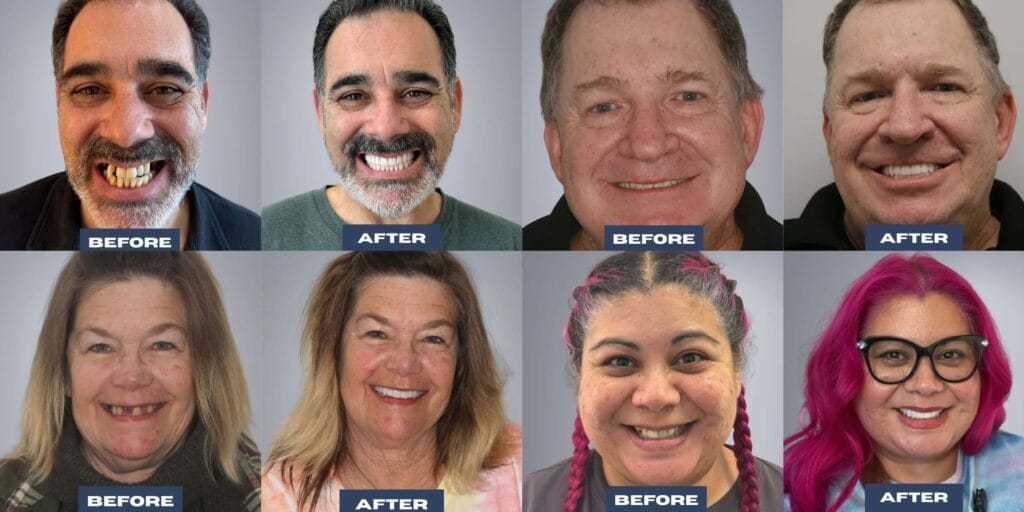
Dental implants are titanium or zirconia posts placed in the jawbone to replace missing teeth with stable, natural-feeling artificial teeth. The dental implant procedure involves several stages – evaluation, possible bone grafting, implant placement, osseointegration, and final restoration – typically spread over several months. Compared with bridges and conventional dentures, implants preserve bone, protect adjacent teeth, and offer the highest long-term satisfaction, though they carry a higher initial cost and require a surgical procedure.
To decide whether you should receive dental implants, consider your priorities: Do you value long-term stability and bone preservation? Are you willing and healthy enough to undergo oral surgery? Does your budget – with or without insurance – accommodate the investment? Are you committed to the maintenance that keeps implants healthy?
Concrete next steps:
- Schedule a consultation with a qualified implant dentist, periodontist, or oral and maxillofacial surgeon
- Bring your full medical history and a list of current medications
- Ask specific questions: How many teeth need replacing? Am I a candidate for standard implants, mini dental implants, or implant-supported dentures? Would a bridge be a better fit for my situation?
The “best” option is never universal. It is the one that safely matches your health, anatomy, budget, and goals for function and appearance. A thorough evaluation with an experienced dental specialist is the first step toward replacing lost teeth with confidence.
Share
Recent Articles

Transform Your Smile with Composite Veneers in West Covina | Lasting Smiles
October 21, 2026
Considering composite veneers in West Covina? Discover everything you need to know about costs, same-day application procedures, pros and cons, and how composite...

The Ultimate Teeth Payment Plan Guide: Can Full-Mouth Implants Fit Under $300/Month?
October 14, 2026
Discover how flexible teeth payment plans, 0% APR financing, and low monthly payment options can make full-mouth dental implants fit comfortably into your...
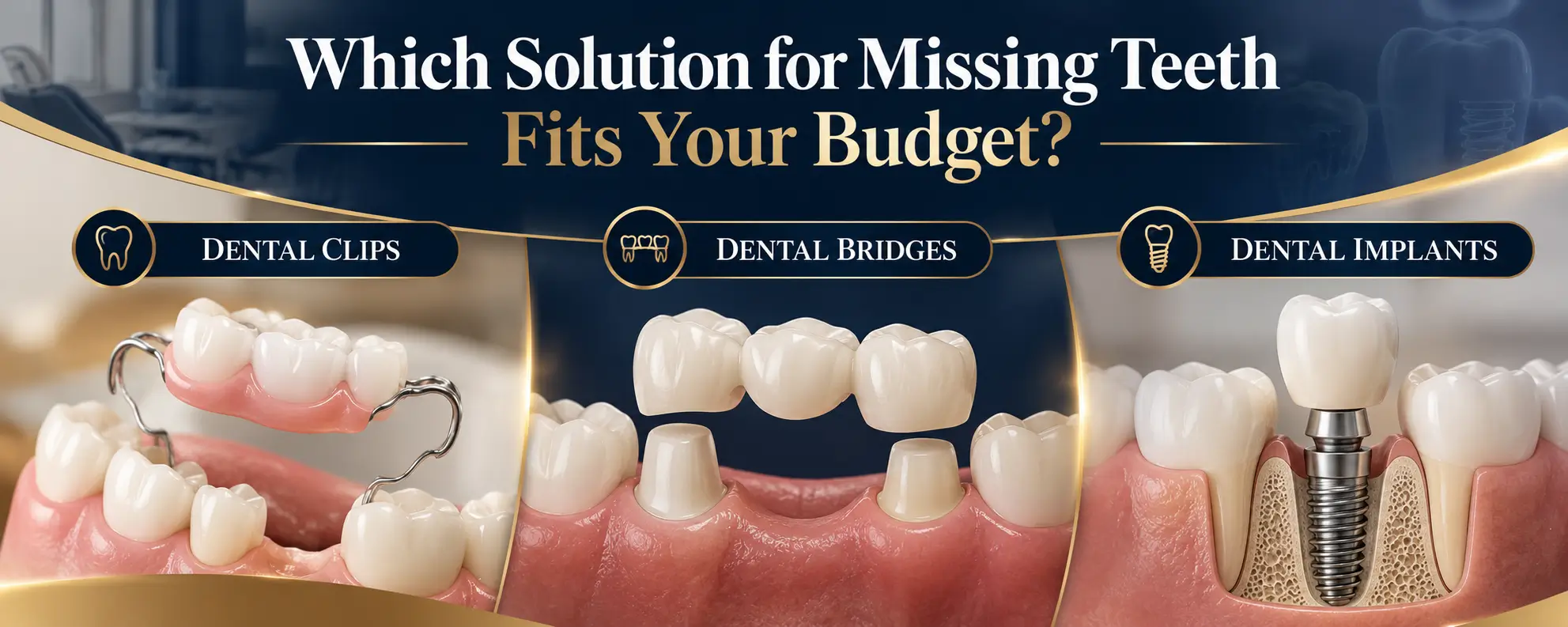
Dental Clips vs Dental Implant vs Dental Bridges: Which Solution for Missing Teeth Fits Your Budget?
October 6, 2026
Deciding between a dental clip, a bridge, or a dental implant? Discover how each option compares in upfront cost, lifespan, maintenance, and long-term...