

August 13, 2026
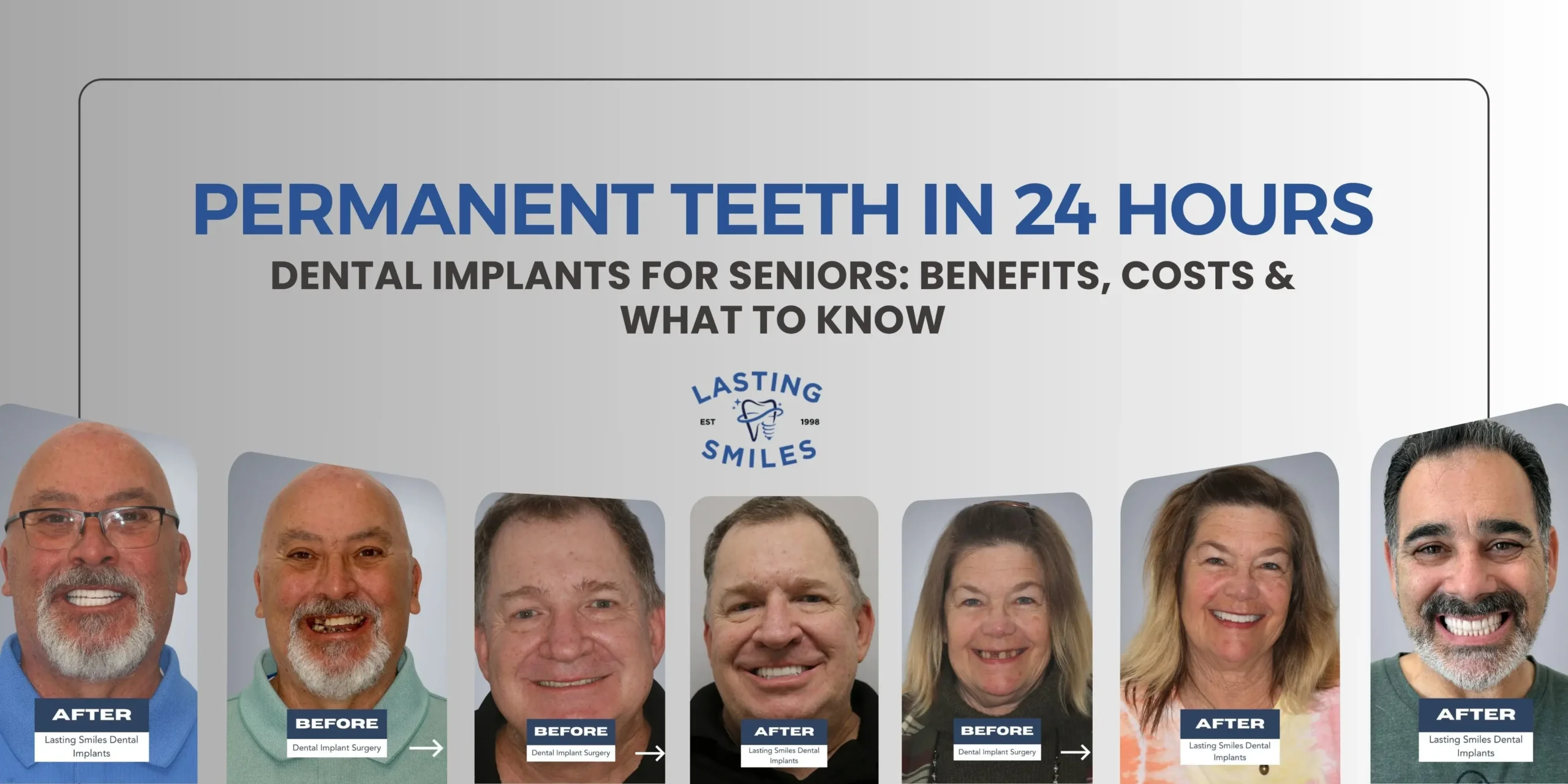
Understanding Dental Implants for Seniors: Benefits and Considerations
Seniors of any age can receive dental implants successfully-there is no upper age limit for this procedure. Whether you are 65 or 85, dental implants offer a reliable, permanent solution for replacing missing teeth, provided your overall health supports healing and your jawbone can sustain the implant.
This guide covers everything older adults need to know about dental implant surgery: eligibility requirements, health considerations specific to aging, the types of implants available, success rates backed by clinical data, and how to navigate cost and insurance questions. It is written for adults 65 and older who are evaluating tooth replacement options, as well as family members researching on behalf of a senior relative. About 17% of adults over 65 have lost all their teeth, making this a decision that affects millions of people and their quality of life every day.
The direct answer: Being a senior does not automatically rule out dental implants. Seniors aged 60 to 80-and well beyond-can successfully receive dental implants when guided by an experienced implant dentist who evaluates bone density, medical history, and oral health before creating a treatment plan.
By reading this guide, you will:
- Understand how age-related factors influence the dental implant process
- Learn how to evaluate your candidacy based on health, bone quality, and medications
- Explore implant options ranging from single tooth implants to full-arch solutions
- Discover how to manage common challenges like healing time, cost, and medication interactions
- Gain the confidence to make an informed decision about your tooth replacement
Key Takeaways: Dental Implants for Seniors
- Age alone does not determine implant candidacy. Seniors can still be excellent candidates for dental implants. What matters more is your overall health, oral condition, jawbone support, and ability to heal properly.
- Dental implants can restore more than your smile. Replacing missing teeth can make everyday activities like eating, speaking, and smiling more comfortable while providing a stable alternative to traditional removable dentures.
- Modern implant treatment can be more convenient. Advances in digital imaging, treatment planning, and implant techniques may allow qualified patients to complete treatment with fewer appointments and, in some cases, receive a temporary set of teeth shortly after implant placement.
- Bone loss doesn’t always mean you can’t get implants. Tooth loss can cause the jawbone to deteriorate over time. Depending on your situation, procedures such as bone grafting or specialized implant techniques may help create the support needed for implant treatment.
- Implants are designed for long-term tooth replacement. With proper oral hygiene, regular professional care, and appropriate maintenance, dental implants can provide a durable solution for seniors compared with continually replacing or adjusting removable dentures.
- Comfort and confidence matter at every age. Dental implants can help seniors enjoy a more secure bite without worrying about dentures moving while eating or speaking, while also providing a natural-looking smile.
The best first step is a personalized evaluation. Every senior has different dental and medical considerations. A consultation with an experienced dental implant provider can determine whether implants are appropriate and explain available treatment options, expected timelines, and financing possibilities.
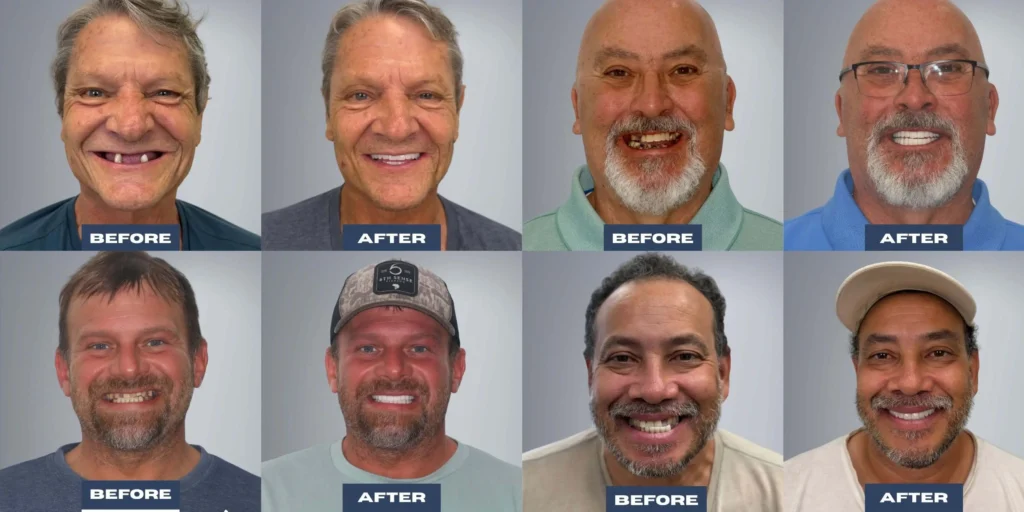
Dental implants can provide qualified seniors with a stable, long-term solution for replacing missing teeth and improving everyday comfort and function.
Are Dental Implants Safe for Seniors?
For older adults, dental implants are especially relevant. Cumulative decay, gum disease, and age-related bone loss lead to tooth loss that progressively worsens if left unaddressed. Losing teeth doesn’t just change your smile-it accelerates jawbone resorption, alters facial structure, impairs nutrition, and undermines confidence. Traditional dentures offer only about 20% to 25% of natural chewing efficiency and can cause sore spots and require frequent adjustments. Unlike dentures, implants stimulate the jawbone, preventing bone loss and preserving the structure of your face.
How Dental Implants Work for Seniors
The dental implant procedure begins with implant placement: a small titanium post is inserted into the jawbone during oral surgery, typically performed under local anesthesia. Over the following weeks and months, the bone tissue grows around and bonds to the implant surface-a biological process called osseointegration. The process of osseointegration takes 3 to 6 months for the bone to fuse to the implant, after which the implant achieves the stability needed to support chewing forces.
Because implants stimulate the jawbone the way natural tooth roots do, they actively prevent the bone loss that occurs when teeth are missing. This is a critical advantage for seniors, whose jawbone already faces age-related resorption. Adequate jawbone is needed for implant support; some patients may require a bone graft before placement if bone volume has diminished significantly. Modern implant surfaces-roughened, bioactive coatings on titanium alloys-are specifically designed to improve bone-implant contact even in patients with reduced bone density.
Age Considerations vs. Health Factors
Chronological age alone is not a limiting factor for implant success. Research comparing patients aged 65–75 with those over 75 found that the older group actually had a 2.8-fold lower implant loss rate than the younger-old cohort, likely due to more conservative prosthetic designs and lower bite forces. There is no upper age limit for dental implants.
What matters far more than a number on a birth certificate is the patient’s health: bone density, immune status, wound healing capacity, presence of systemic diseases, and current medication regimens. These factors determine whether someone is a strong candidate-and they are manageable with proper medical oversight. An experienced dentist and your primary care physician can work together to assess and optimize these variables.
Success Rates in Senior Patients
The clinical evidence is reassuring. Dental implants have a success rate of 90-95% in older adults. A meta-analysis examining age-stratified outcomes found five-year survival rates of approximately 92.1% for patients aged 65–75 and 96.8% for patients over 75. Furthermore, osteoporosis does not generally disqualify seniors from implants-a recent meta-analysis found no statistically significant difference in implant survival between osteoporotic and non-osteoporotic patients.
These numbers confirm that many seniors are excellent candidates for implant treatment. The next step is understanding the specific factors that determine individual eligibility.
Senior-Specific Candidacy Factors
Knowing that dental implants are safe for elderly patients is the starting point. The critical question is whether your specific health profile supports successful treatment. An experienced implant dentist evaluates three primary areas: jawbone quality, systemic medical conditions, and current oral health status.
Bone Density and Jawbone Health
Bone density is crucial for implant success in seniors. The implant site must have adequate bone volume-both height and width-and sufficient cortical thickness and trabecular density to hold the titanium post securely. Age-related bone loss may necessitate preliminary bone grafting before implant placement if the jawbone has resorbed significantly. Your dental team will use 3D CBCT (cone-beam computed tomography) imaging to precisely measure bone dimensions and density at each potential implant site. When bone volume is insufficient, procedures such as bone grafting, ridge augmentation, or sinus lifts can rebuild the foundation needed for long-term implant success.
Medical Conditions and Medications
Several medical conditions common in older adults require careful coordination between your dental team and healthcare providers:
- Diabetes: Well-controlled diabetes yields success rates close to healthy patients. Chronic conditions like uncontrolled diabetes and certain medications affect healing, increase the risk of peri-implantitis, and may cause more marginal bone loss. Your dentist will request HbA1c levels before proceeding.
- Osteoporosis: The condition itself does not prevent implant placement. However, patients taking IV bisphosphonates or denosumab face a higher risk of medication-related osteonecrosis of the jaw (MRONJ), requiring careful medical history review and coordination with prescribing physicians.
- Cardiovascular disease: Not an absolute contraindication, but many seniors with heart disease take anticoagulants or antiplatelet medications that affect bleeding. Coordination with your primary care physician is essential to manage surgical bleeding risk.
- Smoking: Smoking can impair healing and osseointegration of implants. Patients who smoke are strongly encouraged to quit before and during the healing period.
Oral Health Status
Active gum disease must be fully treated before implant placement. Chronic periodontitis creates an infection-laden environment that dramatically increases the risk of peri-implantitis-an infection that can develop around the implant site and lead to implant failure. Many seniors also experience dry mouth (xerostomia) from medications, gingival recession, and plaque buildup in surrounding gum tissue, all of which require pre-treatment attention.
Your dental team will likely perform thorough cleaning, gum therapy, and extraction of non-restorable remaining teeth before beginning the implant process. Healing time may be extended in elderly patients; staged protocols with delayed loading are often recommended when bone quality is moderate to poor. Prosthetic design must also account for limited mouth opening, reduced chewing force, and the patient’s ability to maintain good oral hygiene over the long term.
With candidacy established, the next decision is which type of implant treatment best fits your situation.
Dental Implant Options for Seniors
Once your dental team confirms you are a candidate, several implant solutions are available. The right choice depends on how many teeth you are missing, your bone health, your budget, and your lifestyle preferences. Here are the primary tooth replacement options through implant dentistry.
1. Single Tooth Implants
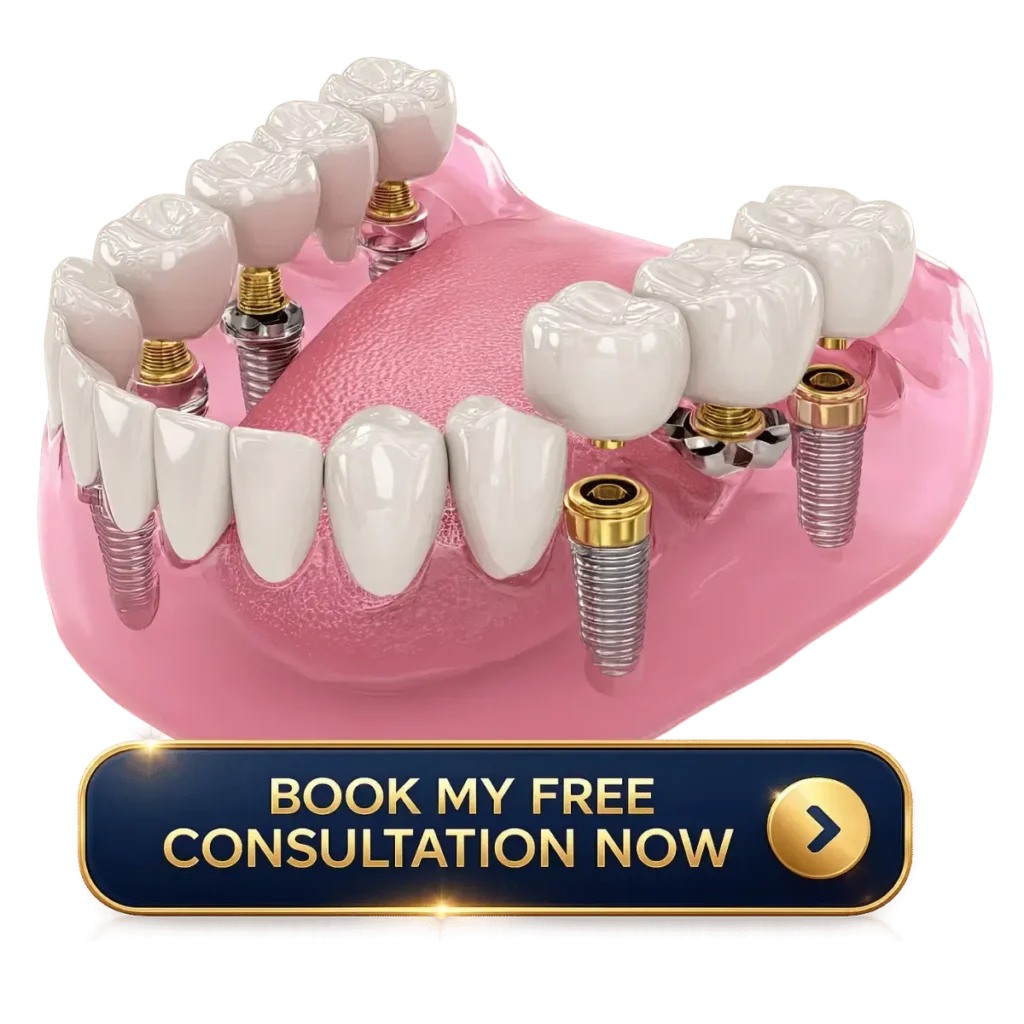
Single tooth implants are ideal when one tooth is missing and the surrounding teeth are healthy. The procedure involves placing one titanium post into the jawbone, allowing the implant to fuse with the bone over several months, and then the dentist attaches a custom crown that matches your natural teeth.
Unlike a dental bridge, which requires grinding down healthy adjacent teeth for support, a single implant preserves neighboring teeth completely. Learn more about the pros and cons of dental implants to determine if this option fits your needs.
2. All-on-4 and All-on-X Full Arch Solutions
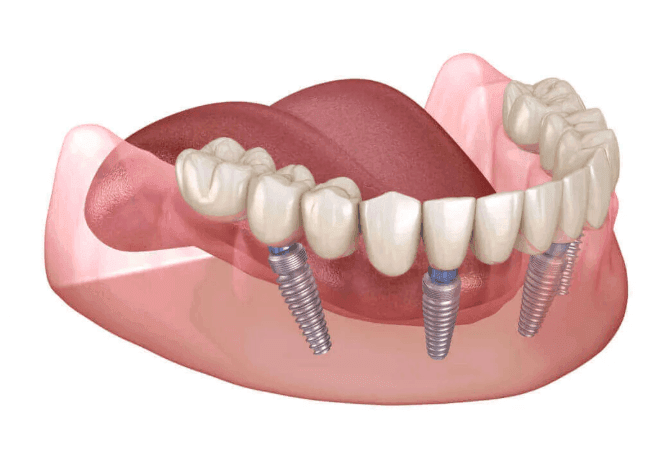
Full Arch Dental Implant. For seniors who have lost most or all teeth in an arch, All-on-4 dental implants provide a full set of artificial teeth anchored on just four strategically placed implants.
A key advantage for many seniors is the possibility of same-day provisional teeth: when sufficient implant stability is achieved during surgery, your dentist can attach a temporary prosthesis the same day. The final, permanent prosthesis is placed after osseointegration is confirmed. All-on-X uses five or six implants per arch for cases where bone density is suboptimal or additional load distribution is needed.
Implant-Supported Overdentures
Implant-supported overdentures use 2 to 6 implants per arch to anchor a removable denture that “snaps” securely into place. Unlike removable dentures that sit on the gums and shift during eating or speaking, implant supported dentures lock onto attachments on the implants, providing dramatically better stability and comfort.
Common Challenges and Solutions
Most patients considering dental implant surgery share a few common concerns. Here is how each one can be addressed effectively.
Fear of Surgical Procedure
Dental surgery can feel intimidating, especially for seniors with past negative dental experiences. The reality is that implant surgery is performed under local anesthesia, and most patients report minimal discomfort during the procedure. For those with significant anxiety, sedation dentistry options include nitrous oxide (laughing gas), oral conscious sedation, and IV sedation. In older adults, sedation protocols are carefully adjusted-dosages are reduced, vital signs are continuously monitored, and the patient’s cardiovascular and respiratory status is evaluated beforehand. Most patients can return to light activities within 2–3 days post-surgery.
Extended Healing Time
The healing period for dental implants is real but manageable. Recovery from dental implant surgery typically takes 3–6 months as osseointegration completes. Older adults may experience extended recovery times due to reduced blood flow and slower cellular regeneration, but this does not prevent success-it simply requires patience and proper care. During healing, a soft food diet is recommended, and rinsing with salt water aids healing after surgery. Regular monitoring ensures proper healing is on track. Your dental team will schedule follow-up visits to verify osseointegration before loading the implant with a final restoration.
Cost and Insurance Coverage
Cost is one of the most significant concerns for seniors considering implants. Dental implants typically cost more upfront than dentures, but they deliver far greater long-term value. Dental implants can last 20 years or more with proper care, while conventional dentures require periodic replacements, relining, and frequent adjustments-costs that accumulate substantially over time. A total of 94% of seniors report improved satisfaction with dental implants.
Does Medicare cover dental implants? Medicare generally does not cover dental implants under Original Part A and B. Some Medicare Advantage plans include limited dental benefits, but they rarely cover the full implant procedure. Implants may be partially covered by private insurance if medically necessary.
Financing options are commonly available for dental implants, including payment plans and dental discount programs that make treatment accessible regardless of insurance limitations.
Medication Interactions
Seniors often take multiple medications that can interact with dental surgery. Patients on anticoagulants (warfarin, DOACs) require coordinated management of bleeding risk between their dental team and prescribing physician. Those on long-term IV bisphosphonates or denosumab face elevated MRONJ risk and need thorough medical history review before any invasive procedure. Immunosuppressants and long-term steroids may affect wound healing. The solution is straightforward: a comprehensive medication review before treatment, close collaboration with your healthcare providers, and modified surgical protocols when indicated. An experienced dentist will not proceed without this coordination.
With these challenges addressed through proper planning, the path to a permanent solution for missing teeth becomes clear and achievable.
Conclusion and Next Steps
Age is not a barrier to dental implants. The clinical evidence overwhelmingly shows that seniors can achieve excellent implant outcomes-with success rates of 90–95%, long-term durability of 20+ years with proper care, and transformative improvements in chewing ability, nutrition, confidence, and overall oral health. What matters is not how old you are, but whether your health profile, bone density, and oral condition support the procedure-factors that an experienced implant dentist can evaluate and often optimize.
Dental implants can last 15–20 years with proper care, and maintaining them requires regular brushing and flossing, routine dental examinations, careful cleaning around implant sites, and weekly soft tissue massage around the implant for optimal gum health. Implant failure can occur due to poor osseointegration with the jawbone, but with proper patient selection and follow-through, this risk is minimal. Oral hygiene is essential for preventing peri-implant disease around implants.
Your next steps:
- Schedule a consultation at Lasting Smiles Dental Implant Center to receive a comprehensive evaluation including 3D imaging and health assessment
- Gather your medical history, including a complete medication list and recent lab results (HbA1c if diabetic, bone density results if available)
- Discuss your goals with your implant specialist-whether you need a single tooth replaced or a full-arch restoration, your treatment plan will be customized to your situation
If you are exploring related topics, learn more about whether insurance covers dental implants, review sedation dentistry options for a comfortable experience, or explore financing solutions that make your ideal smile affordable. Modern dentistry has made it possible for seniors at any age to restore function, preserve their jawbone, and enjoy the confidence that comes with a lasting, healthy smile.
Share
Recent Articles

Transform Your Smile with Composite Veneers in West Covina | Lasting Smiles
October 21, 2026
Considering composite veneers in West Covina? Discover everything you need to know about costs, same-day application procedures, pros and cons, and how composite...
The Ultimate Teeth Payment Plan Guide: Can Full-Mouth Implants Fit Under $300/Month?
October 14, 2026
Discover how flexible teeth payment plans, 0% APR financing, and low monthly payment options can make full-mouth dental implants fit comfortably into your...
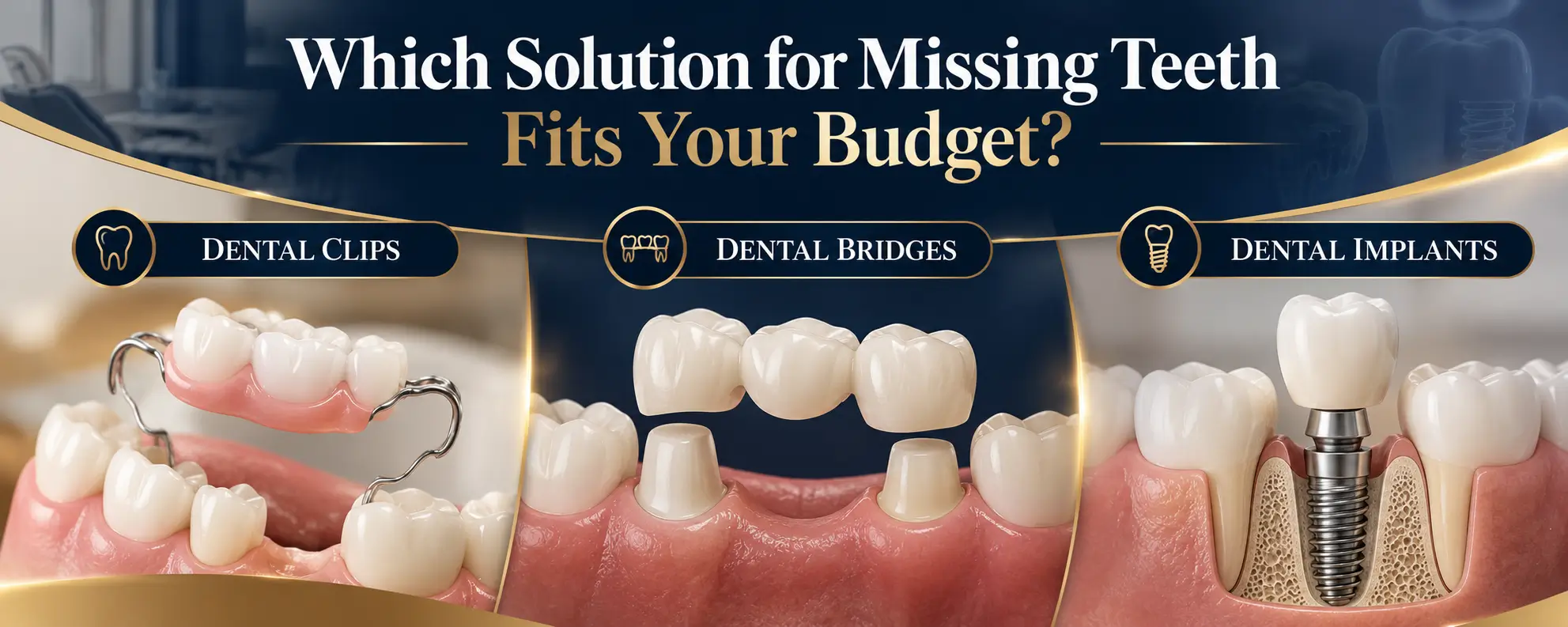
Dental Clips vs Dental Implant vs Dental Bridges: Which Solution for Missing Teeth Fits Your Budget?
October 6, 2026
Deciding between a dental clip, a bridge, or a dental implant? Discover how each option compares in upfront cost, lifespan, maintenance, and long-term...