

June 2, 2026
Introduction
Cosmetic dentistry focuses on improving the appearance of teeth and smiles through elective procedures such as teeth whitening, porcelain veneers, dental bonding, contouring, clear aligners, and other smile design treatments. Its goal is to improve tooth color, shape, size, spacing, and alignment so your overall smile looks healthier, more balanced, and more attractive.
This guide covers cosmetic dentistry treatments that are primarily aesthetic, including whitening teeth, dental veneers, bonding, and alignment-focused options for crooked teeth or misaligned teeth. It does not replace routine care such as cleanings, exams, flossing guidance, or treatment for active tooth decay, gum disease, or oral disease. Those concerns belong first to preventive or restorative dentistry, although restorative treatments such as dental crowns, dental implants, dental bridges, inlays, and onlays can also improve appearance when they are part of broader cosmetic dental treatment.
Cosmetic dentistry is best suited for adults with generally healthy teeth and gums who feel self conscious about discolored teeth, chipped teeth, cracked teeth, misshapen teeth, small gaps, tooth size discrepancies, worn edges, missing teeth, or an aging smile. Many people consider cosmetic dentistry procedures before weddings, interviews, public-facing career moves, or major life events; others simply want a whiter smile, a new smile, or a beautiful smile that better supports confidence.
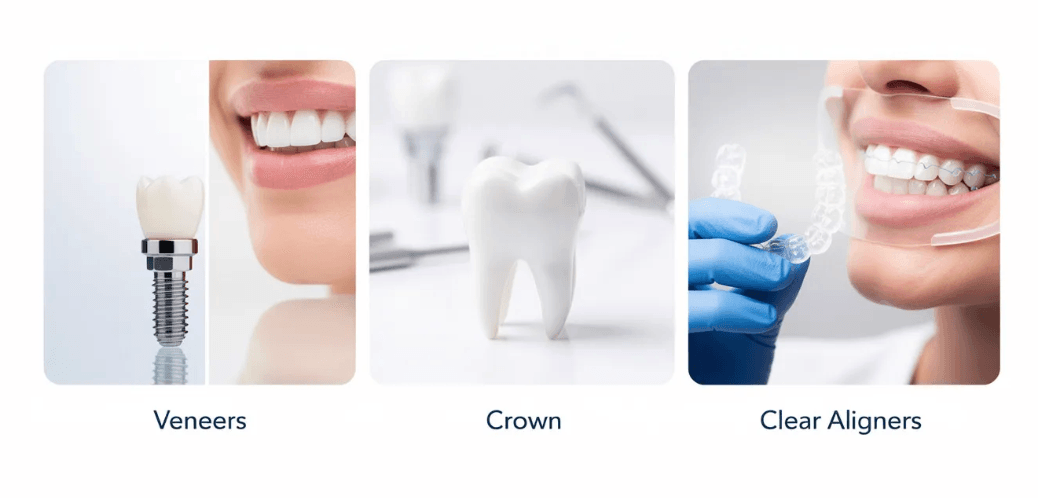
In practical terms, cosmetic dentistry uses several techniques to enhance the visible features of natural teeth and surrounding teeth. Teeth whitening can lighten teeth by up to 10 shades, professional whitening is one of the most requested cosmetic procedures, dental bonding repairs minor chips or gaps using tooth-colored resin, and dental veneers are ultra-thin porcelain laminates bonded to teeth.
By the end of this guide, you will understand:
- Which common cosmetic dentistry procedures may fit your goals
- Typical cost ranges for cosmetic dental treatments
- What to expect from treatment timelines, sensitivity, and recovery
- How to choose a qualified cosmetic dentist or dental practice
- How proper care helps maintain natural looking results over time
Understanding Cosmetic Dentistry
Cosmetic dentistry emphasizes elective treatments for visual aesthetics rather than medical necessity. Traditional dentistry addresses oral hygiene and oral disease treatment, while aesthetic dentistry focuses on improving the color, symmetry, proportion, and harmony of the smile. That distinction matters because insurance usually does not cover cosmetic dentistry services when the purpose is purely appearance-based.
Still, cosmetic dental work depends on oral health. A dentist should evaluate the gum line, bite, enamel, tooth’s surface, existing dental work, tooth decay, cracks, and periodontal health before recommending cosmetic treatment. In many cases, improving appearance also makes routine care easier: many cosmetic treatments improve oral hygiene by facilitating easier brushing and flossing, especially when spacing, crowding, or rough tooth edges are corrected.
Modern cosmetic dentistry uses advanced materials that resist staining, including porcelain ceramics, composite materials, improved bonding agents, and high quality materials created in a dental lab. These materials allow a cosmetic dentist to produce natural looking results rather than an artificial “perfect smile” that does not match the face.
Cosmetic vs. Restorative Dentistry
The main difference is purpose. Restorative dentistry treats dental issues such as tooth decay, infection, cracked teeth, broken teeth, missing teeth, or structural damage. Cosmetic dentistry focuses on improving the appearance of teeth and smiles, even when the teeth are otherwise healthy.
Some procedures overlap. Dental crowns can rebuild damaged teeth while also improving shape and color. Dental implants can replace missing teeth and support youthful facial aesthetics by restoring worn or missing teeth. Dental bridges replace one or more missing teeth with false teeth, which can improve chewing and the appearance of the overall smile. Inlays and onlays are custom-made fillings used for mild decay, but they may also be designed to blend with natural teeth.
The practical rule is simple: if a procedure is needed to treat disease or restore function, it may fall under restorative dentistry; if it is chosen mainly to enhance appearance, it is usually considered cosmetic dental treatment. Many smile makeovers combine both.
Who Benefits from Cosmetic Dentistry
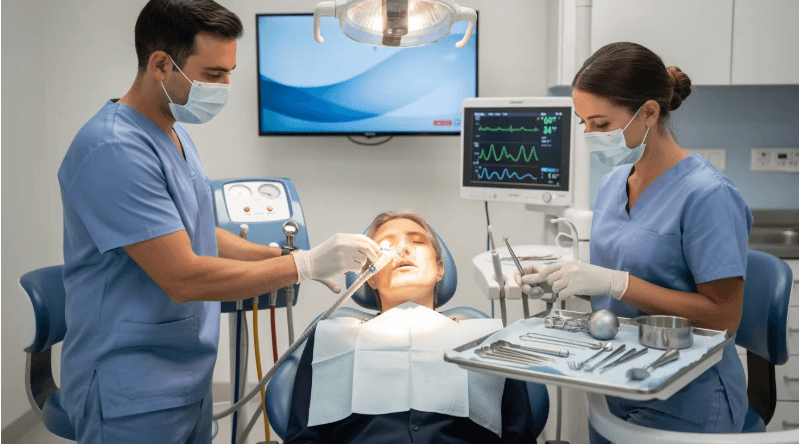
Ideal candidates are adults with healthy teeth and gums who want aesthetic improvements without ignoring underlying oral health. Most patients who benefit from cosmetic dentistry have concerns such as discolored teeth, chipped teeth, small gaps, uneven front teeth, misshapen teeth, crooked teeth, misaligned teeth, worn enamel, or tooth size discrepancies.
Common motivations include career advancement, wedding preparation, dating confidence, social comfort, public speaking, photography, and aging concerns. Boosting confidence is a significant benefit of cosmetic dentistry procedures, and cosmetic treatments can boost self-confidence and self-esteem. More broadly, cosmetic dentistry can improve confidence and self-esteem when treatment goals are realistic and the plan respects facial balance.
Not every patient should start with veneers or whitening. Someone with active tooth decay, gum disease, heavy grinding, or major bite problems may need restorative treatments, orthodontics, clear aligners, metal braces, traditional braces, or periodontal care first. The strongest cosmetic results usually begin with stable oral health.
Popular Cosmetic Dental Procedures
Once the foundation is clear, the next step is choosing the cosmetic dentistry procedures that match your concerns. The most requested options in 2026 include teeth whitening, porcelain veneers, dental bonding, contouring, clear aligners, and selected restorative-cosmetic options such as dental crowns, dental implants, and dental bridges.
Common cosmetic dentistry procedures vary in cost, invasiveness, longevity, and maintenance. A small chip may need a virtually painless procedure such as dental bonding, while severe discoloration or multiple shape concerns may require veneers. Misaligned teeth may be better treated with clear aligners, metal braces, or traditional braces before whitening or veneers.
Teeth Whitening Treatments
Teeth whitening is the most common cosmetic dental procedure, and professional whitening is one of the most requested cosmetic procedures in a dental office. Professional teeth whitening uses peroxide-based gels to break down stains inside enamel and dentin, helping patients achieve a whiter smile without changing the structure of the teeth.
In-office whitening provides instant results in about one hour, and teeth whitening can lighten teeth by up to 10 shades. Many in office whitening systems brighten teeth by several shades in a single appointment, often with gum protection and controlled application by a dentist. Laser whitening is six times more effective than other methods, and laser whitening is six times more effective than other whitening methods when compared with many non-laser approaches used for whitening teeth.
Whitening does not change the color of dental crowns, veneers, bonding, or other procedures already in the mouth. For that reason, a cosmetic dentistry consultation should include a discussion of surrounding teeth and existing dental work before professional teeth whitening begins.
Porcelain Veneers
Porcelain veneers are thin custom shells bonded to the front teeth to improve chips, gaps, discoloration, minor misalignment, worn edges, and tooth size discrepancies. Dental veneers are ultra-thin porcelain laminates bonded to teeth, and dental veneers are ultra-thin porcelain laminates bonded to teeth when the goal is to change the visible surface rather than move or rebuild the whole tooth.
Veneers can improve chipped, crooked, or discolored teeth. They are often recommended when whitening cannot correct deep staining, when dental bonding would not be strong enough, or when multiple front teeth need a coordinated smile design. Porcelain veneers can also make misshapen teeth look more proportional and help create natural looking results when the shade, translucency, and shape are carefully planned.
The veneer application process typically takes about two weeks. Treatment usually involves consultation, smile design, tooth preparation, impressions or digital scans, temporary veneers, dental lab fabrication, and final bonding. Some tooth reduction is necessary for optimal veneer results, and during preparation the dentist removes a small amount of enamel from the tooth’s surface so the veneers do not look bulky.
Porcelain veneers can last a long time with proper care, although porcelain veneers may need replacement every few years if they chip, margins stain, gum recession changes the gum line, or bite forces damage the restoration. Many high quality veneers last much longer, but some treatments may require irreversible changes to teeth, so patients should understand the long-term commitment before choosing veneers.
Dental Bonding and Contouring
Dental bonding repairs minor chips or gaps using tooth-colored resin. Cosmetic dental bonding fixes minor flaws using composite materials that are shaped directly on the tooth, hardened with a curing light, and polished to match surrounding teeth.
Bonding is often a same-day, minimally invasive, virtually painless procedure. It may require no anesthesia for small corrections because little or no enamel is removed. A dentist may recommend dental bonding for chipped teeth, small spaces, uneven front teeth, minor discoloration, misshapen teeth, or edges that make a patient feel self conscious.
Contouring, also called enameloplasty, reshapes small areas of enamel to smooth uneven edges or refine tooth shape. It is often paired with bonding for more balanced results. Because bonding is less expensive than porcelain veneers but more prone to staining and chipping, it works best for conservative corrections or as a transitional cosmetic treatment.
Planning Your Cosmetic Dental Treatment
Good cosmetic dentistry begins with planning, not with choosing the fastest procedure. A qualified cosmetic dentist should assess oral health, facial proportions, bite function, gum line symmetry, tooth color, and the relationship between natural teeth and any existing dental work before recommending cosmetic procedures.
Realistic expectations are essential. A beautiful smile should fit your face, age, personality, and natural tooth anatomy. The goal is not always a perfect smile; the better goal is a balanced smile that looks clean, healthy, and natural.
Initial Consultation Process
Schedule a cosmetic dentistry consultation when your teeth and gums are stable, or when you are ready to identify what must be treated before cosmetic dental work begins. The consultation helps separate quick cosmetic improvements from dental issues that require restorative dentistry first.
- Comprehensive smile evaluation and digital photography
The dentist examines oral health, tooth decay, gum health, bite, enamel thickness, cracked teeth, chipped teeth, tooth wear, and existing dental work. Digital photos, scans, and X-rays may be used to evaluate the overall smile. - Discussion of aesthetic goals and treatment options
You and the cosmetic dentist review concerns such as discolored teeth, crooked teeth, missing teeth, tooth size discrepancies, and the desired shade or shape. Available treatments may include professional teeth whitening, dental bonding, porcelain veneers, clear aligners, crowns, implants, and other advanced procedures. - Review of treatment timeline and cost estimates
The dental office should explain the number of visits, lab timing, temporary restorations, expected sensitivity, patient comfort steps, and cost. Insurance usually doesn’t cover cosmetic dentistry services, so payment planning matters. - Creation of customized treatment plan
The final plan may stage procedures for better results. For example, clear aligners may come before veneers, professional whitening may come before bonding, and implant dentistry may be needed before final smile makeovers if teeth replacement is part of the goal.
Treatment Comparison Guide
Treatment | Duration | Cost Range | Longevity |
|---|---|---|---|
Professional teeth whitening / in office whitening | About 1 hour to 2 hours | Teeth whitening costs range from $300 to $1,000 | Often 1 to 3 years with proper care and touch-ups |
Porcelain veneers | 2 to 3 visits, often about two weeks | Porcelain veneers typically cost between $925 and $2,500 per tooth | Often 10 to 15+ years; porcelain veneers can last a long time with proper care |
Dental bonding | Usually 1 visit | Dental bonding costs range from $100 to $400 per tooth | Commonly 3 to 7 years, sometimes longer with careful habits |
Clear aligners like Invisalign | Several months to 1+ year | Clear aligners like Invisalign can cost between $3,000 and $8,000 | Results can last long-term with retainers |
Dental implants | Multi-stage treatment over several months | Dental implants can cost between $3,000 and $4,500 per implant | Often long-lasting with excellent hygiene and maintenance |
Choose based on the problem you are solving. Whitening is best for stains and a brighter smile. Veneers are stronger for shape, proportion, and deep discoloration. Bonding is cost-effective for minor flaws. Clear aligners are a discreet alternative for straightening misaligned teeth, and clear aligners are less noticeable than traditional braces. Invisalign aligners are removable for eating and cleaning, and clear aligners produce comparable results to metal braces in many appropriate cases.
Metal braces correct crowded or misaligned teeth, and traditional braces may still be best for complex bite issues. If missing teeth affect the smile, dental implants, dental bridges, or other teeth replacement options may be part of the plan. The right treatment is the one that matches your budget, timeline, oral health, and desired outcome.
Common Challenges and Solutions
Cosmetic dental treatments are highly effective, but patients should understand the common challenges before beginning. Cost, sensitivity, and expectations are the three issues most likely to affect satisfaction.
A careful dental practice will explain what each cosmetic procedure can and cannot do. That includes discussing irreversible tooth preparation, replacement needs, maintenance, and whether other procedures are needed first.
Cost and Insurance Coverage
Most cosmetic procedures are elective, so insurance usually doesn’t cover cosmetic dentistry services. Plans may help when dental crowns, inlays, onlays, dental bridges, or implant dentistry are needed for function or disease treatment, but whitening, veneers, and purely aesthetic dental bonding are usually out-of-pocket.
Solutions include payment plans through the dental office, third-party financing options like CareCredit, phased treatment, and prioritizing the procedures that deliver the biggest visible improvement first. For example, professional whitening and bonding may be a lower-cost starting point, while porcelain veneers or dental implants require larger planning.
Patients should also compare long-term value, not only the initial fee. Less expensive bonding may need more touch-ups, while veneers cost more upfront but may last longer with proper care.
Treatment Sensitivity and Discomfort
Temporary sensitivity is common after teeth whitening and veneer tooth preparation. Whitening can make teeth react to cold for a few days, while veneers may cause short-term tenderness because the dentist removes a small amount of enamel during preparation.
Solutions include desensitizing toothpaste, fluoride, lower-concentration whitening gels, shorter whitening sessions, careful gum isolation, and clear post-care instructions. Patient comfort should be part of the plan, especially for people with sensitive teeth or previous difficult dental work.
Veneers, crowns, and implants require more planning than whitening or bonding. Some treatments may require irreversible changes to teeth, so patients should ask what is being removed, what is being added, and what future replacement may involve.
Unrealistic Expectations
Some patients expect cosmetic dentistry to create dramatic changes that may not be achievable, healthy, or natural-looking. A very bright shade may clash with surrounding teeth, veneers may not correct severe bite problems, and whitening cannot change the color of crowns or existing restorations.
Solutions include digital smile previews, mock-ups, before-and-after galleries, and clear communication about limitations. Staged treatment approaches also help: clear aligners may correct misaligned teeth before veneers, professional whitening may establish the final shade before bonding, and restorative treatments may stabilize oral health before cosmetic dental work begins.
The best cosmetic dentist will protect function as well as appearance. Exceptional results should look natural, support easier hygiene, and age well with the patient.
Conclusion and Next Steps
Cosmetic dentistry offers effective solutions for smile enhancement when treatment is planned around oral health, realistic goals, and long-term maintenance. From teeth whitening and dental bonding to porcelain veneers, clear aligners, dental implants, and complete smile makeovers, the best cosmetic dentistry treatments improve the overall smile without sacrificing healthy teeth.
Your next steps:
- Schedule a consultation with a qualified cosmetic dentist to evaluate oral health, tooth structure, gum line, bite, and aesthetic goals.
- Prepare a list of concerns such as discolored teeth, chipped teeth, crooked teeth, missing teeth, cracked teeth, or uneven front teeth.
- Ask for a phased treatment plan that explains timing, cost, sensitivity, maintenance, and whether any restorative dentistry is needed first.
- Review financing options before committing, since insurance usually does not cover cosmetic dentistry services.
- Plan for maintenance with routine care, whitening touch-ups, night guards when needed, and regular dental visits.
Share
Recent Articles
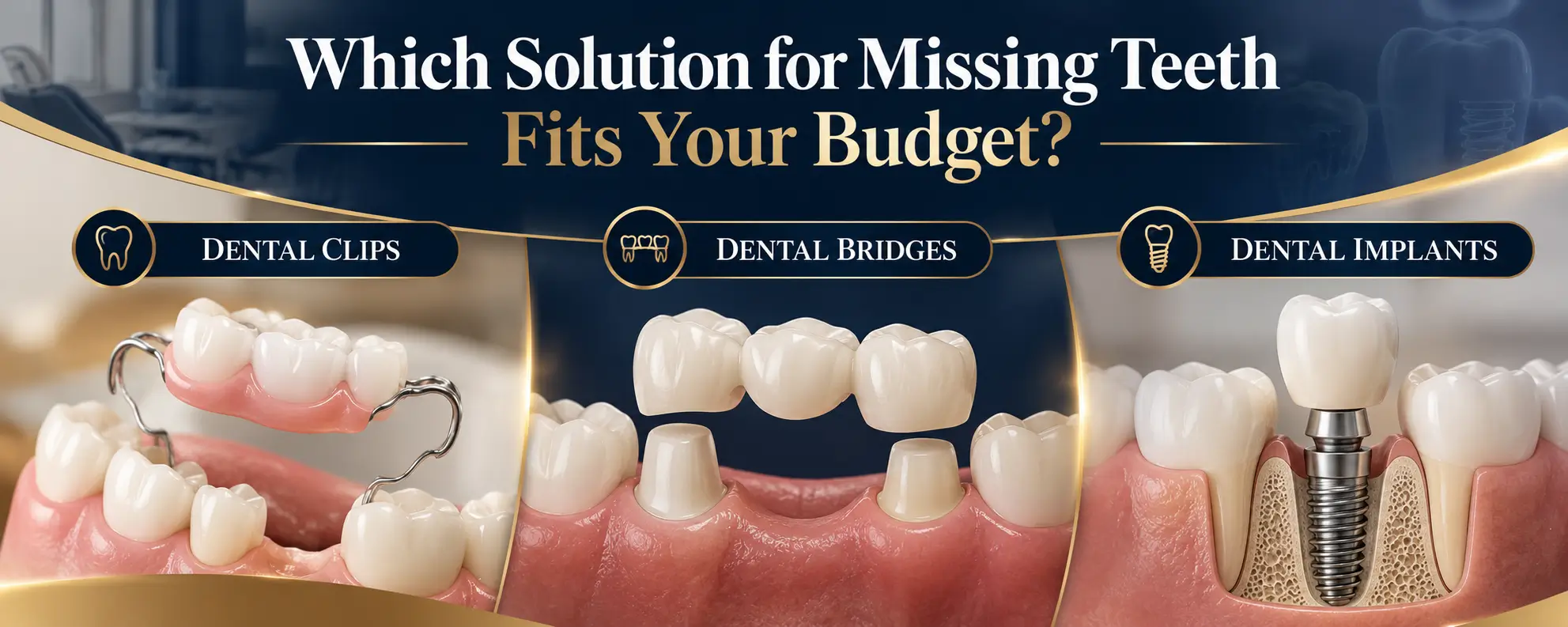
Dental Clips vs Dental Implant vs Dental Bridges: Which Solution for Missing Teeth Fits Your Budget?
October 6, 2026
Deciding between a dental clip, a bridge, or a dental implant? Discover how each option compares in upfront cost, lifespan, maintenance, and long-term...

Tooth Extraction: A Complete Guide to Safe, Comfortable Tooth Extraction and Replacement
September 30, 2026
What happens after a tooth extraction? Learn how simple and surgical extractions differ, how long recovery takes, and the essential aftercare steps that...
Dental Implants Near Me: How to Find the Right Specialist in Irvine, CA
September 23, 2026
Searching for dental implants near me in Irvine? Learn what to look for in an implant dentist, compare single-tooth and full-mouth options, and...