

July 30, 2026
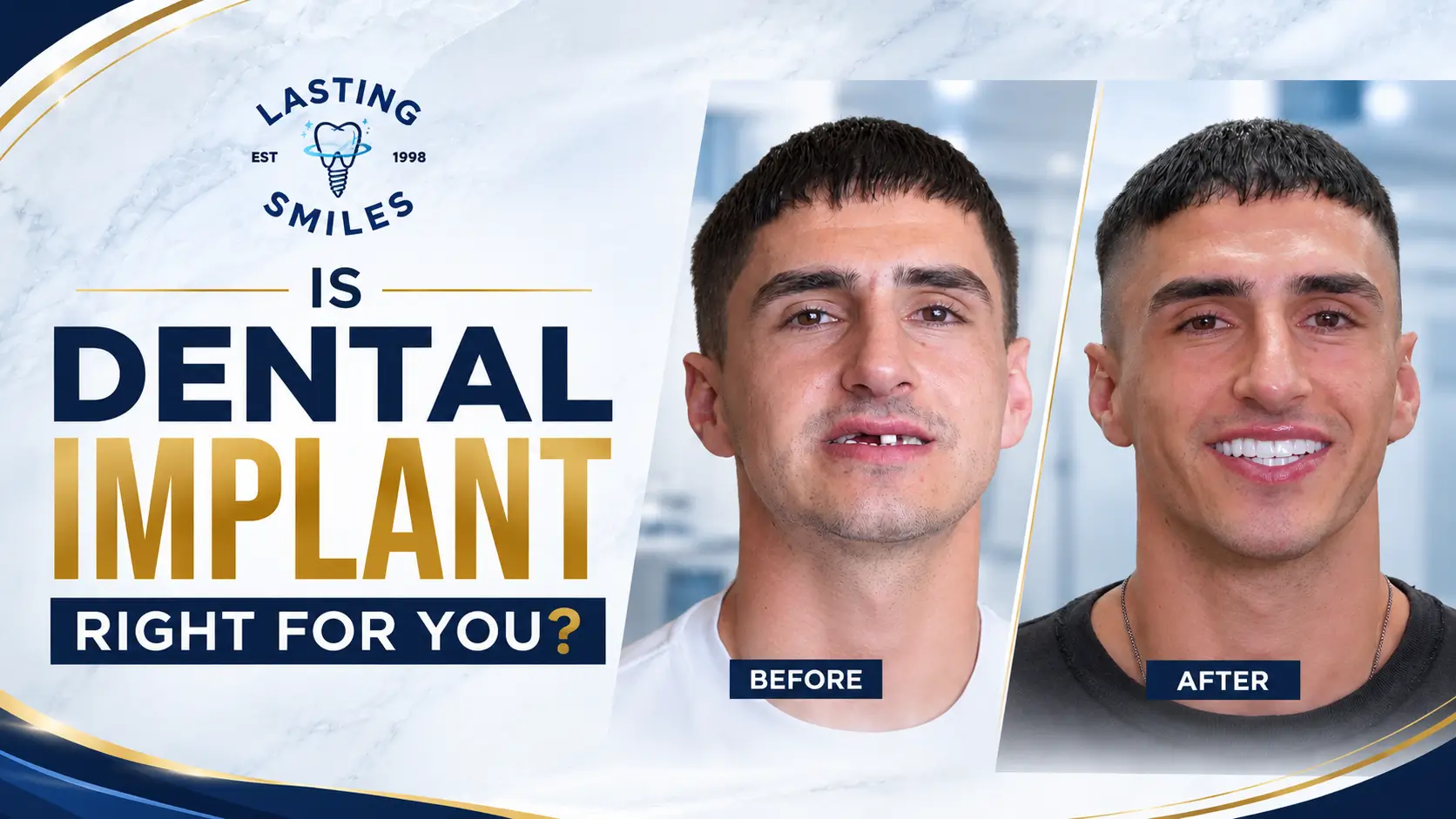
Wondering if dental implants are right for you? In many cases, the answer is yes if you have one or more missing teeth, healthy gums, enough jawbone to support an implant—or qualify for bone grafting—and want a long-term, natural-looking replacement. This page is for adults missing one or more teeth, people frustrated with dentures, and anyone weighing whether implants fit their health, budget, and lifestyle.
If you’ve lost one or more teeth, you’ve probably asked yourself:
- Am I a good candidate for dental implants?
- Where should I get dental implants?
- Are dental implants worth the investment?
- What should I know before committing to treatment?
These are the right questions because missing teeth affect more than appearance: they can change how you chew, speak, and maintain jawbone support over time. Making the right choice early can help protect oral function, facial structure, and confidence.
You’ll find the practical answers here: how dental implants work, who qualifies, the benefits and limitations, what to look for in technology and provider experience, what treatment may cost, what financing to consider, when delaying care can create bigger problems, and how to choose the best dental implant provider near you. Dental implants are often the best option for patients in good overall health who want a stable, lasting alternative to bridges or removable dentures—but candidacy depends on your mouth, bone, and treatment goals.
What Are Dental Implants?
Dental implants are small titanium posts surgically inserted into the jawbone to replace missing tooth roots. Once healed, they support a custom-made dental crown, bridge, or full-arch prosthesis.
Unlike removable dentures, implants become part of your jawbone through a process called osseointegration, creating a strong and permanent foundation for replacement teeth.
Benefits include:
- Natural appearance
- Stable bite and chewing power
- Prevents jawbone loss
- Preserves facial structure
- Doesn’t rely on neighboring teeth
- Can last decades with proper care
How Do You Know If Dental Implants Are Right for You?
Many adults qualify for implants—even those who have had lost teeth for years. Dental implants replace the tooth root and support an artificial tooth, bridge, or denture restoration. During healing, the implant fuses with the jawbone in a process called osseointegration; Titanium is the most common material used for dental implants, and this bond gives solid support for new teeth, helps preserve surrounding bone, and lets them look, feel, and function much like natural teeth.
You may be a good candidate if you:
- Have at least one tooth missing
- Are unhappy with loose dentures or multiple teeth missing
- Have good oral health and healthy gums
- Have enough jawbone or qualify for bone grafting when teeth missing have led to shrinkage
- Are in generally good overall health, since implants require healthy healing conditions
- Do not smoke heavily or are willing to quit during healing, because dental implants require a stable healing environment
- Want a long-term tooth replacement solution that can replace missing teeth without altering adjacent teeth
- Understand that implants help prevent bone loss in the jaw and support healthy bone by stimulating jawbone growth during chewing
Age is rarely a limiting factor.
Whether you’re in your 40s, 60s, or even your 80s, many patients successfully receive dental implants every year. A qualified dental professional can confirm whether you have the bone support and medical readiness needed, and gum disease usually needs treatment first if present.
Signs You Might Benefit from Dental Implants
Many people delay treatment because they assume missing teeth are “just cosmetic.” Unfortunately, missing teeth affect much more than appearance.
Common signs include:
- Difficulty chewing certain foods
- Loose or uncomfortable dentures
- Shifting teeth
- Jawbone deterioration and bone loss in the surrounding bone
- Sunken facial appearance
- Speech changes
- Embarrassment when smiling
- Avoiding social situations
- Active periodontal disease should be treated before moving forward with implants
- Uncontrolled medical conditions can slow or hinder healing after implant surgery
The earlier lost teeth are replaced, the easier it is to preserve bone and surrounding teeth. Implants can be an option for damaged or missing teeth, whether you are missing one tooth or multiple teeth, but treatment usually involves multiple appointments over several months.
What Happens If You Wait Too Long?
One of the biggest misconceptions is that teeth missing can simply be ignored. The reality is quite different.
After tooth loss:
- The jawbone begins shrinking, leading to bone loss in the jaw and gradual changes in the surrounding bone.
- Neighboring teeth shift.
- Your bite changes.
- Remaining teeth wear unevenly.
- Facial support gradually decreases.
- Future treatment may become more complex.
This is why dentists often recommend replacing missing teeth sooner rather than later.
What Should You Consider Before Getting Dental Implants?
Choosing implants involves more than simply comparing prices, because the dental implant procedure is a multi-step treatment plan with both cost and healing time to consider.
Here are the most important factors to evaluate, including that a dental implant involves staged outpatient care, the implant procedure may vary based on your health and bone support, and replacing teeth sooner can help because implants stimulate jawbone growth during chewing and reduce further bone loss.
1. Experience of the Implant Dentist
Dental implant treatment requires advanced training.
Here are the most important factors to evaluate. The dental implant procedure usually has a higher upfront cost than bridges or dentures, and because dental implant surgery involves surgical procedures and healing between stages, it often requires multiple appointments over several months.
Look for a provider who:
- Focuses heavily on implant dentistry
- Performs implant surgeries regularly
- Uses digital planning technology
- Has before-and-after cases
- Offers transparent consultations and a personalized treatment plan from a qualified dental professional
- Involves an oral surgeon when needed for complex implant placement
- Explains whether standard dental implants or zirconia implants make sense for your case
Experience often leads to more predictable outcomes.
Why Patients Trust Dr. Ghodsi and Lasting Smiles Dental Implant Center
Choosing the right dental implant provider is one of the most important decisions you’ll make for your oral health. At Lasting Smiles Dental Implant Center, patients receive personalized care backed by decades of clinical experience and advanced implant technology.
With more than 35 years of experience, Dr. Ghodsi has helped thousands of patients restore their smiles with dental implants, from single-tooth replacements to full-mouth restorations. His patient-centered approach combines advanced diagnostics, precise treatment planning, and customized solutions to achieve long-lasting, natural-looking results.
At Lasting Smiles Dental Implant Center, our mission is to help every patient regain the confidence to eat, speak, and smile comfortably again. From your initial consultation through your final restoration, our experienced team is committed to providing compassionate care, transparent communication, and treatment plans tailored to your unique needs.

2. Technology Matters
Modern implant practices use advanced equipment such as:
- 3D CBCT scans
- Digital impressions
- Computer-guided implant surgery
- Intraoral scanners
Dental implant treatment should be planned by a qualified dental professional, often with an oral surgeon for more complex cases, especially when evaluating standard dental implants, the implant body, and other factors that affect fit and long-term stability.
These tools improve accuracy, comfort, and planning for dental implant surgery.
When comparing providers, ask who performs implant placement and how the office manages surgical procedures and risks such as infection or nerve damage.
Experienced providers use this information to build a personalized treatment plan rather than a one-size-fits-all approach.
3. Bone Health
Some patients worry they’ve been told they don’t have enough bone. That doesn’t automatically mean implants are impossible, because after tooth loss the surrounding bone can shrink over time, and implants are often planned to help support a healthy bone structure.
Many patients qualify after:
- A bone graft when the jaw is too thin or soft to support placement
- Sinus lift procedures
- Full-arch implant techniques such as All-on-4®
In some cases, a damaged tooth must be removed first so the site can heal properly before treatment continues. A dental implant involves staged outpatient care, and some cases require time for bone growth before the final restoration is attached.
An experienced implant dentist can determine the best option, whether that means endosteal implants placed in the jaw or subperiosteal implants that rest on top of the jawbone beneath the gums. They will also check for gum disease, confirm good oral health, and evaluate whether there is enough support for a predictable result.
4. Long-Term Value
Dental implants may cost more initially than dentures or bridges.
However, many patients find they save money over time because implants:
- Can last a lifetime with proper care
- Require fewer replacements
- Preserve surrounding teeth
- Help avoid additional dental complications
Think of implants as an investment in your long-term oral health.
5. Financing Option
Many practices now offer:
- Monthly payment plans
- Third-party financing
- Low monthly payments for qualified patients
- Complimentary consultations
Dental implants generally come with a higher upfront cost than bridges or dentures. A single dental implant usually costs between $3,000 and $7,000. Full-mouth dental implants can range from $25,000 to $80,000. Because the dental implant procedure is customized and completed in stages, financing can make treatment more manageable.
Ask what options are available before assuming implants are out of reach. With proper care, implants may last a lifetime for some patients, which is why many people see the cost as long-term value.
Where Should You Get Dental Implants?
Not every dental office focuses on implant dentistry. When researching providers, consider:
Read Patient Reviews
Look for reviews mentioning:
- Comfort
- Communication
- Implant success
- Natural-looking results
- Follow-up care
Consistent positive feedback is often a strong indicator of patient satisfaction.
Ask About Experience
Questions worth asking include:
- How many implant cases do you perform annually?
- Do you offer full-mouth implants?
- What technology do you use?
- Who performs the surgery?
- What happens if complications arise?
Transparency builds confidence.
Review Before-and-After Photos
Seeing real patient transformations helps you evaluate:
- Smile aesthetics
- Functional outcomes
- Complex cases
- Full-mouth restorations
Choose a Practice That Focuses on Implants
Practices dedicated to implant dentistry often provide:
- More advanced technology
- Specialized surgical expertise
- Coordinated treatment planning
- Streamlined care under one roof
Why Experience Makes a Difference
Dental implant success depends on proper planning—not just placement.
Experienced implant providers carefully evaluate:
- Bone density
- Bite alignment
- Gum health
- Medical history
- Long-term stability
- Whether outpatient care and related minor surgery steps can be coordinated in-house for a smoother process
A personalized treatment plan helps determine whether dental implant surgery is the right next step, including any preparatory care before implant placement and the best option for the implant body based on your oral health, function, and smile goals.
Is Dental Implant Surgery Safe?
Yes.
Dental implants have one of the highest success rates in modern dentistry, often exceeding 95% when placed in appropriate candidates and maintained with good oral hygiene.
Success depends on:
- Proper diagnosis by a qualified dental professional
- Skilled dental implant surgery
- Healthy healing at the implant site
- Routine dental visits
- Good home care
Uncontrolled medical conditions can hinder healing after dental implant surgery and may change candidacy or timing.
You should also watch the surgical site for unusual pain, swelling, or signs of infection, and understand that nerve damage is a rare risk. A personalized treatment plan also helps lower the risk of implant failure if the bone does not fuse properly after implant placement.
How Long Do Dental Implants Last?
With appropriate care, dental implants can last for 20 years or more, and many individuals enjoy them for a lifetime.. This longevity is due to the durable materials used, such as titanium, which integrates with the jawbone through a process called osseointegration, creating a stable and permanent foundation. However, the lifespan of dental implants also depends on maintaining good oral hygiene and regular dental visits.
Dental implants offer several advantages that contribute to their long-lasting nature. Unlike traditional dental appliances such as dentures or bridges, implants do not rely on adjacent teeth for support, preserving the health of your existing teeth. They also help prevent bone loss in the jaw by stimulating the surrounding bone during chewing, which helps maintain facial structure and jaw strength.
The tooth implant procedure typically involves several stages, including dental implant placement, healing time for osseointegration, and finally attaching the new artificial tooth. This process may take several months, but it ensures a secure fit and natural function that mimics real teeth. Outpatient surgery is common for implant placement, often performed under local anesthesia to minimize discomfort.
It is important to consider factors that can affect the success and longevity of dental implants. Conditions such as uncontrolled diabetes or poor oral health can interfere with the healing process and integration of the implant. A healthy diet and proper care around the implant site are essential to support the healing process and maintain implant health over time.
Regular follow-up appointments allow your dentist to monitor the implant and surrounding healthy teeth, ensuring any issues are addressed promptly. With attention to oral hygiene, a healthy lifestyle, and professional care, dental implants can provide a durable, natural-looking solution that truly offers a lifetime of benefits.. Yes. Like other surgical procedures, dental implant surgery carries risks such as infection and nerve damage, though these complications are uncommon with proper planning. In some cases, they may even last a lifetime.
Maintaining your implants includes:
- Brushing twice daily
- Flossing or using interdental cleaners
- Monitoring the surgical site as the implant heals
- Following post-op guidance until the gums heal
- Seeing your dentist regularly for routine professional cleanings
- Avoiding tobacco use
- Regular dental checkups, especially after the dental abutment and final restoration are placed
Frequently Asked Questions
Are dental implants painful?
Most patients report less discomfort than expected. Modern techniques and anesthesia make the procedure comfortable, and many return to normal activities within a few days.
Am I too old for dental implants?
Age alone is rarely a barrier. Overall health and jawbone condition matter more than your age.
Can smokers get dental implants?
Yes, but smoking can increase the risk of implant failure. Your dentist may recommend reducing or quitting smoking before and after surgery to improve healing.
What if I’ve been missing teeth for years?
You may still be a candidate. Bone grafting or full-arch implant solutions may help restore enough support for successful treatment.
How long does the process take?
Treatment time varies depending on your needs. If teeth have been missing for years, bone loss in the surrounding jaw may mean the dental implant procedure requires a bone graft or a full-arch option before implants. In most cases, dental implant involves multiple appointments, with dental implant surgery and implant placement followed by healing as the implant heals through osseointegration, which often takes three to nine months. During that time, a temporary tooth may be used to fill the space and protect the implant site. After the gums heal, your dentist can place the dental abutment and complete the final restoration, though the exact implant procedure timeline depends on your anatomy and treatment plan.
Final Thoughts: Is Dental Implant Right for You?
If you’re looking for a long-lasting, natural-looking solution for missing teeth, dental implants are one of the most reliable options available.
The key is choosing an experienced implant provider who will evaluate your oral health, explain your options, and create a treatment plan tailored to your needs.
Rather than focusing solely on cost, consider the long-term value, comfort, durability, and confidence that dental implants can provide.
The first step is scheduling a consultation to determine whether you’re a candidate. A personalized evaluation can answer your questions and help you make an informed decision about restoring your smile.
Share
Recent Articles

Transform Your Smile with Composite Veneers in West Covina | Lasting Smiles
October 21, 2026
Considering composite veneers in West Covina? Discover everything you need to know about costs, same-day application procedures, pros and cons, and how composite...

The Ultimate Teeth Payment Plan Guide: Can Full-Mouth Implants Fit Under $300/Month?
October 14, 2026
Discover how flexible teeth payment plans, 0% APR financing, and low monthly payment options can make full-mouth dental implants fit comfortably into your...
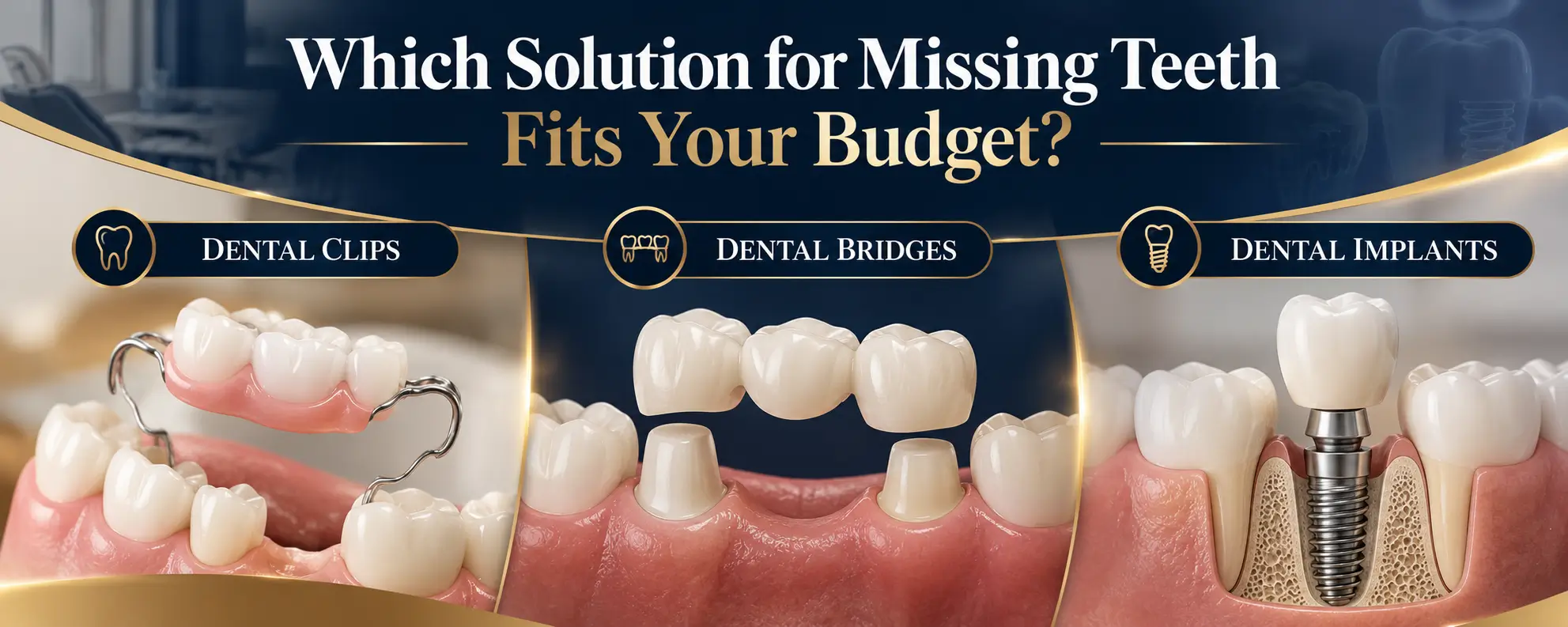
Dental Clips vs Dental Implant vs Dental Bridges: Which Solution for Missing Teeth Fits Your Budget?
October 6, 2026
Deciding between a dental clip, a bridge, or a dental implant? Discover how each option compares in upfront cost, lifespan, maintenance, and long-term...