

July 24, 2026
How Much Does a Dental Implant Cost? Here’s Everything You Need to Know Before You Decide.
Dental Implant Cost in varies based on your treatment needs. Learn what affects pricing, explore flexible financing, and book your FREE, no-obligation consultation today.
In 2026, the average cost of a single dental implant ranges from $3,000 to $7,000, making it one of the most valuable investments in your long-term oral health. Whether you’re replacing a single missing tooth or exploring a full-mouth restoration, understanding what influences the cost—and the financing options available—can help you make an informed decision. At Lasting Smiles, we offer flexible financing plans to help make high-quality dental implant treatment more affordable, so you can restore your smile without unnecessary financial stress!
This article covers the complete cost landscape for dental implants in 2026, including single implant pricing, All-on-X full arch restoration costs, and full mouth reconstruction expenses. We’ll break down each cost component, explore the variables that shift your final cost up or down, and walk through practical payment solutions and insurance strategies. This guide is designed for adults actively considering implant treatment who want transparent pricing information and actionable financing guidance – whether you’re visiting a Lasting Smiles office in Las Vegas, Pasadena, or Irvine.
By the end of this article, you’ll understand:
- What each component of a dental implant costs and why quotes vary so widely
- How material selection, treatment type, and geographic location impact your total cost
- Strategies to maximize dental insurance coverage and split benefits across calendar years
- Financing options that create predictable monthly payments for any budget
- How to avoid hidden fees and navigate unexpected additional procedures
Understanding the Cost of a Dental Implants
A dental implant is made up of three essential components: the implant post, the abutment, and the custom dental crown. Depending on the dental provider, these components may be itemized separately, which can make comparing treatment estimates confusing. Some advertised prices only include the implant post, leaving patients surprised when additional costs for the abutment, crown, imaging, or other necessary procedures are added later.
Understanding exactly what’s included in your treatment plan is the first step toward making an informed decision. That’s why at Lasting Smiles, we offer a FREE, no-obligation consultation, where our experienced team will evaluate your smile, discuss your treatment options, explain every cost involved, and answer all of your questions—so you can make the best decision for your oral health with complete confidence. No pressure, no hidden surprises—just honest guidance and a personalized treatment plan tailored to your needs.
The Implant Post Foundation
The implant post is the foundation of every dental implant. Made from biocompatible titanium, this small screw-like fixture is surgically placed directly into the jawbone, where it fuses with the bone over several months through a process called osseointegration. The titanium implant post essentially becomes an artificial tooth root, providing the stable anchor that makes dental implants function like natural teeth.
Surgical implant placement costs include the surgeon’s fee, anesthesia or sedation, diagnostic imaging (such as CBCT scans), and bone preparation. Diagnostic imaging can add several hundred dollars to treatment costs, and sedation options can increase the total cost of dental implants further – though for patients with dental anxiety, sedation is often well worth it. The post itself typically costs between $1,000 and $3,000 before the abutment and crown are factored in.
Post quality matters significantly for long-term success. Premium implant systems from manufacturers like Straumann, Nobel Biocare, and Zimmer Biomet use rigorously tested materials and surface treatments that promote better osseointegration. At Lasting Smiles, the implant post is backed by a lifetime warranty – contingent on proper maintenance and regular check-ups – which shifts the cost conversation from a one-time expense to a long-term investment in dental health.
Abutment and Crown Restoration
The abutment connects the implant post to the crown. This small connector piece may be prefabricated or custom-milled, and comes in titanium, gold alloy, or zirconia. Abutment costs typically range from $300 to $1,000+ depending on material, design complexity, and whether a custom-angled abutment is needed for aesthetic positioning.
The crown is the visible tooth-shaped restoration placed on the abutment – the part other people actually see when you smile. Crown material options span from porcelain-fused-metal (PFM) to full ceramic and monolithic zirconia, with costs ranging from $800 to $3,000+ depending on the material and fabrication method. Higher-end ceramic and zirconia crowns cost more but offer superior aesthetics, especially for front teeth where shade matching and translucency matter most.
One factor that directly reduces crown and abutment costs is in-house fabrication. Lasting Smiles operates an in-house digital lab, which eliminates outsourcing markups, shipping delays, and the back-and-forth adjustments that occur when a crown is fabricated by an external lab. Laboratory fees can be reduced by up to 25% to decrease overall patient costs through this approach. Technological advancements like CAD/CAM can lead to more cost-effective dental solutions while simultaneously improving fit and reducing chair time.
With all three components understood, the next step is examining the specific variables that push your treatment costs up or down from these baseline ranges.
Cost Factors That Impact Your Investment
Now that you understand what makes up the base dental implant cost, let’s look at the factors that cause real-world quotes to vary by thousands of dollars. These variables explain why one provider quotes $3,500 and another quotes $6,500 for what seems like the same procedure.
See Your Monthly Payment Options. Click Here!
Number of Implants and Treatment Type
The number of implants needed is the single biggest driver of total cost. A single dental implant replacing one missing tooth sits at the lower end of the investment spectrum – typically $3,000 to $6,000 all-in. But when multiple teeth need replacement, costs scale accordingly.
For patients missing most or all teeth in an arch, All-on-4 dental implants offer a fundamentally different cost equation. Rather than placing individual implants for each missing tooth, All-on-4 and All-on-X approaches use fewer implants – typically four to six – to support an entire arch of permanent teeth. Full-arch procedures cost between $18,000 and $35,000 per arch. While the upfront cost is substantial, the per-tooth cost is dramatically lower than placing multiple implants individually.
Full-mouth reconstructions – replacing both upper and lower arches – can reach $40,000 to $60,000 or more. Patients typically pay $15,000 to $40,000 after insurance for full-arch restorations. The exact figure depends on whether you choose a fixed zirconia bridge, an acrylic prosthesis, or alternatives like Hybridge dental implants or snap in dentures supported by implant posts.
Material Selection and Quality
Implant materials like zirconia increase overall costs significantly compared to standard titanium. While titanium remains the gold standard for implant posts, zirconia implants appeal to patients seeking metal-free options or who have titanium sensitivities. Expect zirconia posts to add $500 to $1,500+ per implant over titanium equivalents.
Crown material choices create similar cost variation. An acrylic provisional prosthesis costs far less than a final crown made from layered zirconia, which is hand-finished for lifelike aesthetics. For full arch restoration, the difference between an acrylic and a premium zirconia bridge can be $5,000 to $15,000+ per arch. Full-arch restoration costs vary based on materials and complexity – and this is where asking your dental team for a detailed breakdown becomes critical.
Provider expertise also impacts the overall fee for dental implant procedures. Board-certified prosthodontists and oral surgeons with advanced training in implant dentistry typically charge more than general dentists, but their specialized skills can reduce complication rates and improve long-term outcomes.
Geographic Location and Practice Variables
Geographic location significantly affects the cost of dental implants. Urban centers on the West Coast and Northeast typically run 30–50% higher than practices in the Midwest or rural areas. This is driven by real estate costs, staff wages, regulatory requirements, and local cost of living.
Between Lasting Smiles’ three locations, patients may notice pricing differences that reflect each market. California offices in Pasadena and Irvine operate in one of the nation’s highest-cost regions for dental care, while the Las Vegas location benefits from Nevada’s lower overhead structure. However, all three locations share the same in-house digital lab capabilities, the same implant systems, and the same commitment to competitive pricing.
Labor shortages may lead to higher dental procedure costs due to increased wages, a trend that has impacted dental practices nationwide. However, increasing competition may help keep dental implant prices competitive, and the dental implant market is projected to grow at a CAGR of 9.0% from 2026 to 2033, driven by higher demand from aging populations that supports market growth. The prevalence of dental implants in the U.S. is expected to rise significantly, suggesting a 14% annual increase in usage – meaning more providers, more options, and greater pricing transparency for patients comparing costs.
Key cost predictability factors across locations:
- In-house lab technology standardizes crown and prosthetic quality regardless of office
- The same implant systems and materials are available at each location
- Average costs for dental implants in 2026 are stabilizing in a high-range bracket, making year-over-year price surprises less likely
With cost drivers understood, the next step is figuring out how to actually pay for implant treatment without financial strain.
Payment Solutions and Insurance Strategies
Dental implants represent a significant initial investment, but the gap between total cost and what you actually pay out of pocket can be narrowed considerably through insurance benefits, tax-advantaged accounts, and flexible financing. Many patients discover that with the right strategy, their out of pocket costs are far more manageable than the initial quote suggests.
Insurance Coverage Maximization
Most dental insurance plans cover 50% to 80% of implant costs when implants are a covered benefit. However, annual maximum benefits for implants typically range from $1,000 to $2,000 – meaning insurance pays only a fraction of the total cost for most implant treatment.
Here’s a step-by-step approach to maximize your dental insurance coverage:
- Request pre-authorization before treatment begins. Submit your treatment plan, CBCT imaging, and cost estimates to your insurer so you know exactly what’s covered and what your responsibility will be.
- Verify waiting periods. Many insurance plans impose 6–12 month waiting periods for major procedures like implant placement. Confirm your eligibility before scheduling.
- Split treatment across calendar years. Have implant posts placed in December and crowns restored in January to take advantage of two sets of annual maximums. This strategy can effectively double your insurance benefits for a single comprehensive treatment plan.
- Document medical necessity. If tooth loss resulted from injury, trauma, or disease, medical insurance may cover implants. Strong documentation from your surgeon and referring provider can support claims that would otherwise be denied.
- Work with an insurance specialist. Proper CDT coding (D6010/D6011 for surgical placement, D6056 for abutments, D6058–D6065 for implant crowns) ensures claims are processed correctly. Lasting Smiles provides dedicated insurance coordination to help patients navigate this process.
In 2026, patients pay $1,500 to $4,500 out-of-pocket after insurance – but this varies significantly depending on the plan. Patients often pay $2,500 to $5,000 out of pocket for implants when insurance coverage is limited. Original Medicare (Parts A & B) generally does not cover dental implants except in rare medically necessary circumstances, though some Medicare Advantage plans offer partial implant coverage subject to their own annual maximums.
Financing Options Comparison
For many patients, third party financing bridges the gap between what insurance pays and what implant treatment actually costs.
Lasting Smiles offers flexible financing options designed to create predictable monthly payments across a range of budgets and credit situations. Using HSA or FSA funds allows patients to pay with pre tax dollars, reducing the effective cost of treatment by 20–35% depending on their tax bracket.
For patients comparing the long-term math: dental implants are often more cost-effective over 20 years compared to dentures or bridges that require repeated replacement, relining, or adhesive costs. The initial investment in permanent teeth pays dividends in both function and total lifetime spending. Additionally, mini implants are typically 50–70% less expensive compared to conventional implants, making them a potential option for patients with limited budgets or specific anatomical situations.
Understanding financing clears the way for addressing the most common cost concerns patients encounter during their implant journey.
Common Cost Challenges and Solutions
Even well-informed patients encounter financial surprises during implant treatment. Here are the most common cost challenges and practical solutions for each.
Sticker Shock from Initial Quotes
Many quotes show only the implant post cost – roughly $1,000 to $3,000 – without including the abutment, final crown, surgical fees, imaging, or anesthesia. The real all-in cost for a single implant is $3,000 to $7,000. In 2026, single dental implants cost between $3,000 and $7,000 when all components are included.
Solution: Always request a fully itemized treatment plan that includes every component and preparatory procedure. Ask specifically whether the quote covers the post, abutment, crown, imaging, sedation, and any preparatory procedures. Lasting Smiles provides comprehensive, itemized estimates so patients understand their total cost before treatment begins – with no hidden fees. When evaluating the long term value, remember that a lifetime warranty on the implant post significantly changes the cost-per-year calculation compared to alternatives like traditional dentures that need replacement every 5–10 years.
Insurance Claim Denials
Insurance denials for implants can often be appealed successfully. Common denial reasons include classification of implants as “cosmetic” rather than functional, missing tooth clauses that exclude coverage for teeth lost before enrollment, and incomplete documentation.
Solution: Request a detailed written denial reason from your insurer. Gather supporting documentation including X-rays, clinical notes, and a letter from your treating provider explaining functional necessity. Submit a formal appeal using the insurer’s own policy language to demonstrate coverage should apply. Lasting Smiles’ insurance coordination team assists with appeals and can provide the clinical documentation needed to support your case.
Unexpected Additional Procedures
Roughly half of implant patients need bone grafting or other preparatory work before implant placement can proceed. Bone grafting can add $500 to $3,000 to implant costs depending on the extent of bone loss. Sinus lifts – commonly needed in the upper back jaw – add $1,500 to $5,000+. Tooth extraction of a failing tooth, treatment of active infection, and sedation dentistry also increase treatment costs.
Solution: Insist on comprehensive diagnostic imaging at your initial consultation so your dental team can identify whether bone volume is adequate or if preparatory procedures will be needed. This allows accurate cost planning before implant placement rather than mid-treatment surprises. At Lasting Smiles, CBCT imaging and a thorough clinical evaluation during the free consultation ensure that bone grafting, sinus lifts, and tooth extraction needs are identified and included in the treatment plan upfront.
With these challenges addressed proactively, patients can approach their implant journey with financial confidence.
Conclusion and Next Steps
Dental implant cost in 2026 spans a wide range depending on scope, materials, and location: $3,000 to $7,000 for a single dental implant, $18,000 to $35,000 per arch for All-on-X full arch restoration, and $40,000 to $60,000+ for full mouth reconstruction. These numbers represent a significant investment – but with proper insurance maximization, flexible financing options, and transparent provider communication, most patients find a path that works for their budget.
Lasting Smiles differentiates on the factors that matter most for dental implant cost: in-house digital lab technology that reduces laboratory fees, lifetime warranty coverage on implant posts, dedicated insurance coordination, and comprehensive treatment planning that eliminates surprise costs.
Your immediate next steps:
- Schedule a free consultation at Lasting Smiles to receive a fully itemized treatment plan with no obligation
- Contact your insurance provider for pre-authorization and confirm your annual maximums, waiting periods, and implant coverage percentages
- Gather financial documents for HSA/FSA balances and explore financing pre-qualification
- Ask about phased treatment to split costs across calendar years and maximize insurance benefits
For related guidance, explore resources on dental implant healing stages, sedation options for anxiety-free care, and whether same-day dental implants are right for your situation.
👉🏼 Click HERE to see what full arch implants actually cost at our clinic. No pressure. No surprises.
Frequently Asked Questions
Does dental insurance cover implants in 2026? Most dental insurance plans cover 50% to 80% of implant costs when implants are a covered benefit, but annual maximum benefits for implants typically range from $1,000 to $2,000. This means dental insurance pays a meaningful portion but rarely covers the full cost. Coverage varies widely between insurance plans – some exclude implants entirely, others classify them under major procedures with higher copays and waiting periods. Always verify your specific plan through pre-authorization.
What’s included in Lasting Smiles’ implant pricing and lifetime warranty? Lasting Smiles’ implant pricing includes the titanium implant post, custom abutment, final crown, surgical placement, diagnostic imaging, and follow-up care. The lifetime warranty covers the implant post itself, contingent on maintaining regular check-ups and proper oral hygiene. Prosthetic components (crowns, bridges) may carry separate warranty terms. During your initial consultation, the dental team provides a fully itemized estimate so you understand exactly what’s included.
How do All-on-X costs compare to individual implants for multiple teeth? When replacing an entire arch of missing teeth, All-on-X procedures use fewer implants – typically four to six – to support a complete bridge of permanent teeth. Full-arch procedures cost between $18,000 and $35,000 per arch, which is substantially less than placing 8–14 individual implants at $3,000–$7,000 each. The per-tooth cost with All-on-X is a fraction of individual implant placement, making it the more cost-efficient approach for full mouth implants.
What financing options work best for different credit situations? Patients with good credit can typically access zero-percent interest promotional financing through CareCredit or similar providers for 6 to 12 months. For patients with lower credit scores, Lasting Smiles offers in-house payment plans that spread costs over manageable periods with predictable monthly payments. HSA and FSA accounts work regardless of credit, allowing payment with pre tax dollars. Dental savings plans offer 10% to 60% discounts on implants for uninsured patients.
How does location affect pricing between Las Vegas, Pasadena, and Irvine offices? Geographic location significantly affects the cost of dental implants due to differences in overhead, real estate, labor costs, and regional cost of living. California locations (Pasadena and Irvine) generally operate in a higher-cost market than Las Vegas. However, all Lasting Smiles locations share the same in-house lab technology and implant systems, which helps maintain competitive pricing and consistent quality across offices.
When do additional procedures like bone grafting add to base implant costs? Bone grafting is required when there is insufficient bone volume to support an implant post – often caused by prolonged bone loss after tooth extraction or long-term denture wear. Bone grafting can add $500 to $3,000 to costs per site. Sinus lifts, frequently needed for implants in the upper back jaw, add $1,500 to $5,000+. These preparatory procedures are identified during diagnostic imaging at the initial consultation, allowing them to be incorporated into your treatment plan and cost estimate before treatment begins.
How does Lasting Smiles’ in-house lab reduce overall treatment expenses? An in-house digital lab eliminates the outsourcing fees, shipping costs, and third-party markups associated with external dental laboratories. Laboratory fees can be reduced by up to 25% to decrease overall patient costs. Digital workflows using CAD/CAM technology also improve crown fit accuracy, reducing the need for remakes and additional adjustment appointments – saving both time and money.
What payment timeline options accommodate different budgets? Lasting Smiles offers several approaches: phased treatment that stages implant placement and crown restoration across separate appointments (and potentially separate calendar years to maximize annual maximums), in-house payment plans spanning 6 to 12 months, third-party financing with promotional interest-free periods, and immediate HSA/FSA payment. During the free consultation, the team works with you to design a payment timeline that fits your financial situation while keeping your mouth restoration on track.
➡️ Claim Your Free Implant Consultation Now!
Share
Recent Articles

Transform Your Smile with Composite Veneers in West Covina | Lasting Smiles
October 21, 2026
Considering composite veneers in West Covina? Discover everything you need to know about costs, same-day application procedures, pros and cons, and how composite...

The Ultimate Teeth Payment Plan Guide: Can Full-Mouth Implants Fit Under $300/Month?
October 14, 2026
Discover how flexible teeth payment plans, 0% APR financing, and low monthly payment options can make full-mouth dental implants fit comfortably into your...
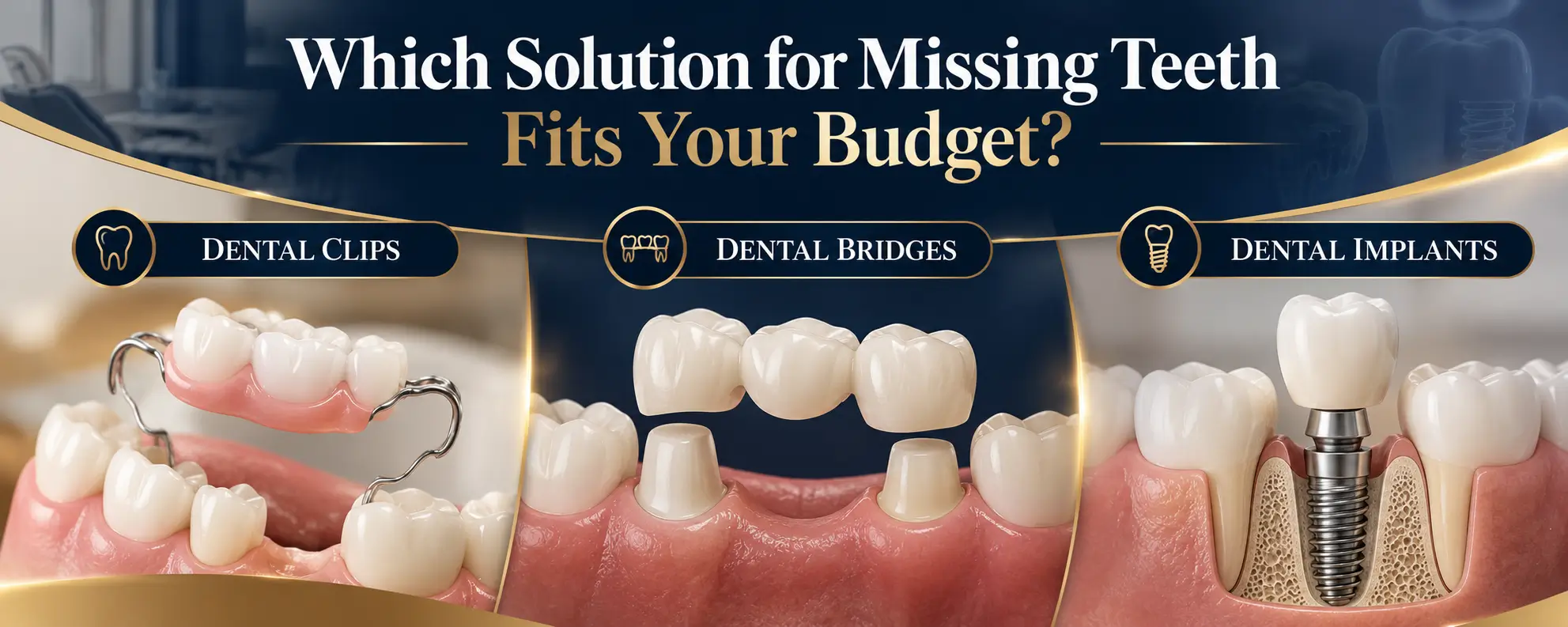
Dental Clips vs Dental Implant vs Dental Bridges: Which Solution for Missing Teeth Fits Your Budget?
October 6, 2026
Deciding between a dental clip, a bridge, or a dental implant? Discover how each option compares in upfront cost, lifespan, maintenance, and long-term...