

September 3, 2020
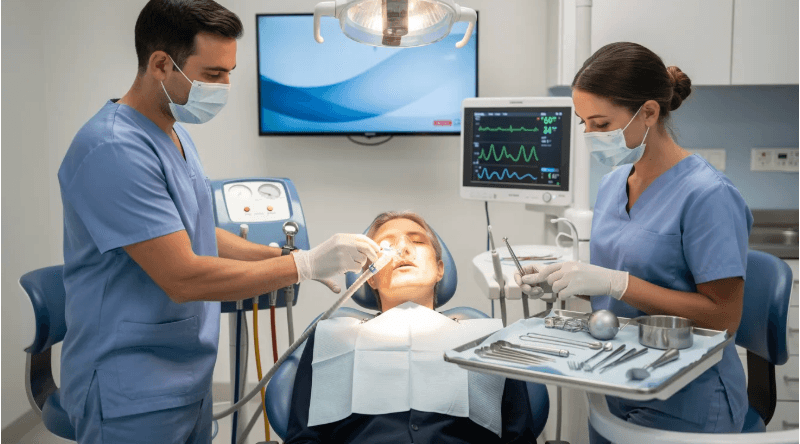
Most patients are wary of feeling pain with dental procedures, and sedation dentistry sounds like the ideal option. Others are warier of the drugs than the pain. We’d like to offer a breakdown of the drugs used for sedation dentistry – why they work and what makes them great for what we do.
Most drugs used for sedation dentistry fall into a group of medications called benzodiazepines, or “benzos”. Most of us know medications like Valium and Xanax to be big players in this group. Versed is also a member of the benzo family and our preference for dental procedures.
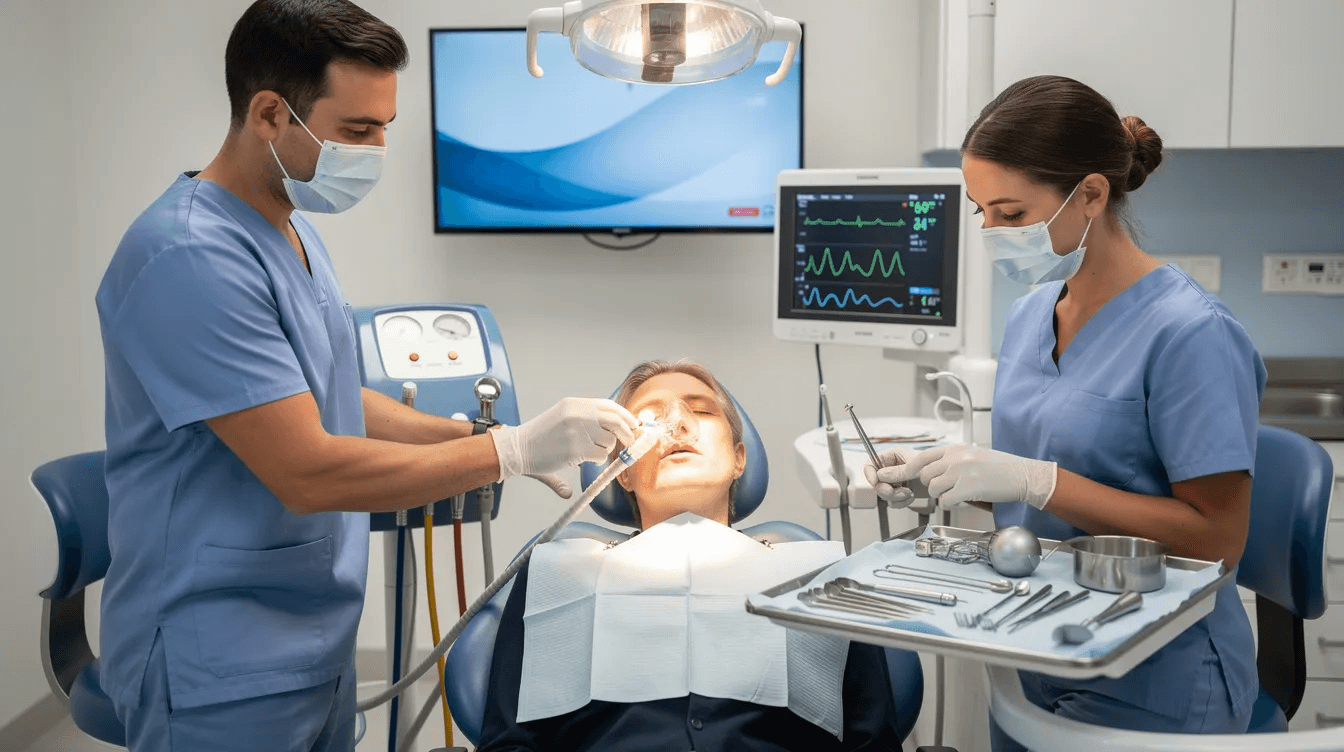
The Players: Conscious Sedation Drugs Used in Sedation Dentistry
Versed / Midazolam in Oral Sedation
Versed or Midazolam is one of the commonly used conscious sedation drugs for managing dental anxiety during a dental procedure. Midazolam is one of the drugs called benzodiazepines and is used to promote sleepiness or drowsiness and to relieve anxiety before dental procedures. This form of conscious sedation helps patients feel relaxed and awake but less aware during dental treatment, and in some cases it may be given orally as liquid sedation. Midazolam is also given to create amnesia, including memory loss, so the patient may not remember the discomfort of the procedure or what happened afterward. Benzodiazepines may also leave some patients drowsy after the visit, so they should plan on a designated driver after the appointment. It works by slowing down the nervous system. When injected, it takes effect within two to three minutes and has minimal effect on the heart and lungs. Versed is only given by or under the immediate supervision of a dentist or doctor trained in anesthesia and sedation for dental care, and it should not be used in patients with a known sensitivity to it. Dr. Ghodsi has had full training and certification to offer this specialized drug for his patients. Read more about it in our previous post, Benefits of Sedation Dentistry.
Romazicon
This drug works as a reversal agent to Versed. If for whatever reason Dr. Ghodsi needs to terminate or lower the level of sedation, Romazicon works almost immediately. This drug really allows Dr. Ghodsi to tailor the medications and dosage specifically for each patient, so the dentist may adjust sedative drugs during treatment based on the patient’s body and needs.
Nitrous Oxide
This is what most of us know of as “laughing gas”. Nitrous oxide sedation usually takes effect in three to five minutes for dental work. The intention here is to aid the Versed and help patients stay awake while calming anxiety during treatment. Patients may feel light-headed or a tingling in the arms and legs. Some people say their arms and legs feel heavy. Nitrous oxide wears off very quickly after the gas mask is removed, which is why it works really well in combination with Versed, allowing for a longer effect before your appointment or procedure.
Closing Remarks on Managing Dental Anxiety
Really, what makes the drugs used for sedation dentistry at our office unique is our decision to combine the above drugs as needed between oral sedation, IV sedation, and nitrous oxide – with IV sedation as the deepest form of conscious sedation and often best for patients with severe dental anxiety – using the smallest amounts possible to achieve the necessary effect. Most doctors and dentists use one or the other in higher doses. Some IV sedatives, such as propofol or dexmedetomidine, are administered continuously throughout the procedure; propofol typically takes effect in 90 to 100 seconds after injection, so screening for soybean oil, egg lecithin, and related allergies matters, and a fall in blood pressure is a known side effect, while dexmedetomidine is often given in low doses to create a sleep pattern close to normal sleep while still allowing communication with the dental team. Ketamine is another option for short procedures, with effects starting in about a minute after injection, and one dose lasts 5 to 10 minutes after injection. No one else takes this multi-player approach like Dr. Ghodsi. The results are return patients who can’t wait to tell others about their ideal sleep dentistry experience. Higher doses may be used in some cases, but unlike general anesthesia, conscious sedation does not leave you completely unconscious, and that deeper option is generally reserved for extensive procedures. If you need painful dental procedures affecting the teeth and think Dr. Ghodsi’s approach to sedation dentistry is right for you, a sedation dentist and dental team can help adults and children choose the right option for comfortable dental care – contact us online or call today.
Share
Recent Articles

Transform Your Smile with Composite Veneers in West Covina | Lasting Smiles
October 21, 2026
Considering composite veneers in West Covina? Discover everything you need to know about costs, same-day application procedures, pros and cons, and how composite...

The Ultimate Teeth Payment Plan Guide: Can Full-Mouth Implants Fit Under $300/Month?
October 14, 2026
Discover how flexible teeth payment plans, 0% APR financing, and low monthly payment options can make full-mouth dental implants fit comfortably into your...
Dental Clips vs Dental Implant vs Dental Bridges: Which Solution for Missing Teeth Fits Your Budget?
October 6, 2026
Deciding between a dental clip, a bridge, or a dental implant? Discover how each option compares in upfront cost, lifespan, maintenance, and long-term...