

March 6, 2026

Dental implants are widely considered the gold standard solution for replacing missing teeth, offering unmatched durability, stability, and aesthetics. But because implants represent a meaningful investment in your health, many patients naturally ask an important financial question:
Are dental implants tax deductible?
The short answer is yes — in many cases, dental implants can qualify as a deductible medical expense under U.S. tax law. However, eligibility depends on several factors, including the purpose of the treatment, your total medical expenses, and how you file your taxes.
In this guide, we’ll walk through everything you need to know, including:
- Whether dental implants qualify as a medical expense
- IRS rules for medical deductions
- When implants may not qualify
- How to use HSA or FSA funds for dental implants
- How much of the cost may be deductible
- Smart financial planning strategies for implant treatment
If you are considering implants, understanding the potential tax advantages can make treatment more accessible and financially manageable.
Are Dental Implants Considered a Medical Expense?
According to IRS guidelines, dental implants are typically considered a medical expense when they are necessary to treat a dental condition or restore oral function.
Medical expenses are defined as costs associated with diagnosing, treating, mitigating, or preventing disease.
Dental implants generally meet this definition because they:
- Replace missing teeth
- Restore chewing function
- Prevent jawbone deterioration
- Improve speech and oral health
- Prevent shifting of surrounding teeth
Because of these benefits, dental implant procedures may qualify as deductible medical expenses when included in your total healthcare costs for the year.
If you’re exploring implants as a long-term solution for tooth loss, you can learn more about the procedure on our dental implants treatment.
IRS Rules for Deducting Dental Implants
Although dental implants can qualify as medical expenses, the IRS has specific rules that determine whether they are actually deductible.
1. You Must Itemize Your Deductions
Medical expenses, including dental implants, are only deductible if you itemize deductions on your tax return rather than taking the standard deduction.
If you claim the standard deduction, you cannot deduct medical expenses.
2. Medical Expenses Must Exceed 7.5% of Your Adjusted Gross Income
The IRS allows you to deduct only the portion of medical expenses that exceed 7.5% of your adjusted gross income (AGI).
Example:
- Adjusted Gross Income: $80,000
- 7.5% threshold: $6,000
- Total medical expenses: $12,000
In this case:
$12,000 − $6,000 = $6,000 potentially deductible
Dental implant costs can contribute significantly toward reaching that threshold.
3. Expenses Must Be for Medical Necessity
Dental implants are generally deductible when they are needed to:
- Replace missing teeth
- Restore oral function
- Treat dental disease
- Address injury or trauma
- Prevent bone loss
However, procedures performed purely for cosmetic purposes may not qualify.
When Dental Implants May Not Be Tax Deductible
Dental implants usually qualify when they restore health and function, but there are situations where they might not be deductible.
For example, the IRS may deny deductions if treatment is performed solely for cosmetic reasons.
Examples of non-deductible procedures may include:
- Cosmetic veneers
- Teeth whitening
- Purely aesthetic smile makeovers
Dental implants, however, are typically considered restorative dentistry, not cosmetic dentistry.
This is because implants replace missing teeth and restore essential oral functions like chewing and speaking.
Patients seeking more extensive restoration — such as replacing multiple missing teeth — often consider
full mouth dental implants, which restore the entire smile and significantly improve oral health.
Are Full-Mouth Dental Implants Tax Deductible?
Yes, full mouth dental implants may also qualify as a medical deduction if they are medically necessary.
Full mouth implants are often recommended for patients experiencing:
- Severe tooth loss
- Advanced gum disease
- Failing dentures
- Extensive dental damage
Because these procedures restore oral function and overall health, they are typically considered a legitimate medical treatment rather than cosmetic dentistry.
Can You Use an HSA or FSA for Dental Implants?
Yes — one of the most effective ways to offset the cost of implants is by using a Health Savings Account (HSA) or Flexible Spending Account (FSA).
Both of these healthcare savings tools allow you to pay for qualified medical expenses using pre-tax dollars.
Dental implants generally qualify as eligible expenses.
This means you can use HSA or FSA funds for:
- Implant surgery
- Abutments and implant components
- Crowns placed on implants
- Bone grafting when medically necessary
- Sedation dentistry
Using pre-tax dollars can significantly reduce the effective cost of treatment.
For patients looking for additional ways to manage treatment costs, flexible payment options are available on our dental implant financing page.
Other Dental Expenses That May Be Tax Deductible
Dental implants are not the only dental procedures that may qualify as deductible medical expenses.
Other potentially deductible dental treatments include:
- Tooth extractions
- Dentures
- Root canals
- Periodontal treatment
- Dental crowns and bridges
- X-rays and diagnostic imaging
- Bone grafting procedures
Because dental implants often involve multiple stages of treatment, several related procedures may qualify as medical expenses.
How Much of Dental Implant Cost Can Be Deducted?
The deductible amount depends on your total medical expenses for the year.
Costs that may count toward the deduction include:
- Implant surgery fees
- Dental lab fees
- Implant crowns
- Sedation dentistry
- Diagnostic imaging such as CBCT scans
- Surgical procedures like bone grafting
Modern implant treatment often uses advanced technologies such as CBCT 3D imaging and digital planning, which help ensure precision and long-term success.
Why Dental Implants Are a Long-Term Investment
While tax deductions can help offset the cost of treatment, dental implants are also considered one of the most cost-effective long-term dental solutions.
Unlike traditional bridges or dentures, implants:
- Can last decades with proper care
- Prevent jawbone deterioration
- Preserve facial structure
- Provide natural chewing ability
- Require no alteration of neighboring teeth
Many patients also benefit from same-day implant procedures, allowing them to leave the office with new teeth in a single visit.
This advanced approach significantly reduces treatment time and improves patient comfort.
Do Dental Insurance Plans Cover Implants?
Dental insurance coverage for implants varies widely depending on the plan.
Some policies may cover:
- Extractions
- Diagnostic imaging
- Implant crowns
However, many plans offer limited coverage for the implant itself.
This is one reason patients often combine:
- Insurance benefits
- HSA/FSA funds
- Financing options
- Potential tax deductions
Together, these strategies can significantly reduce the overall financial burden.
How to Document Dental Implant Expenses for Taxes
If you plan to deduct dental implant expenses, proper documentation is essential.
Make sure to keep:
- Itemized treatment receipts
- Payment confirmations
- Insurance statements
- Treatment plans
- Credit card or bank records
These documents can help support your deduction if needed during tax filing.
Frequently Asked Questions About Dental Implant Tax Deductions
Are dental implants tax deductible in the United States?
Yes, dental implants may qualify as a deductible medical expense when they are necessary to restore oral health or function and when your medical expenses exceed the IRS threshold.
Can retirees deduct dental implants?
Yes. Retirees can deduct dental implants if they itemize deductions and their medical expenses exceed the IRS income threshold.
Are cosmetic dental procedures tax deductible?
Purely cosmetic dental treatments are typically not deductible. However, dental implants are usually considered restorative rather than cosmetic.
Can I use HSA funds for dental implants?
Yes. HSA funds can typically be used for dental implant procedures, including surgery, crowns, and related treatments.
Are dentures tax deductible?
Yes. Dentures are considered a restorative dental treatment and generally qualify as a deductible medical expense.
Is Getting Dental Implants Worth It?
Dental implants do more than restore teeth — they restore confidence, comfort, and long-term oral health.
For many patients, implants provide life-changing benefits such as:
- Eating comfortably again
- Speaking clearly
- Smiling with confidence
- Preventing future dental complications
And when tax deductions, financing options, and healthcare savings accounts are considered, implants may be more accessible than many people realize.
Schedule Your Free Implant Evaluation
If you’re considering dental implants and want to understand your treatment options, the best first step is a professional consultation.
At Lasting Smiles, patients benefit from:
- Advanced CBCT 3D imaging
- Experienced implant specialists
- Same-day teeth options
- Sedation dentistry for comfort
- Flexible payment solutions
Schedule your consultation today to learn whether dental implants are the right solution for your smile.
👉 Get a Free Implant Evaluation
Final Thoughts
So, are dental implants tax deductible?
In many cases, yes.
Because implants restore oral function and treat dental health issues, they are often considered legitimate medical expenses under IRS rules.
When combined with financing options, HSA or FSA funds, and potential tax deductions, dental implants can become a smart long-term investment in both health and quality of life.
If you’re ready to explore your options, visit our dental implants page to learn more about how modern implant dentistry can transform your smile.
Share
Recent Articles

Don’t Wait Until It Hurts: How Early Dental Care Can Help You Avoid Bigger Bills
September 12, 2026
Small dental problems can become bigger and more expensive when ignored. Learn how preventive dental care, regular checkups, and early treatment can protect...
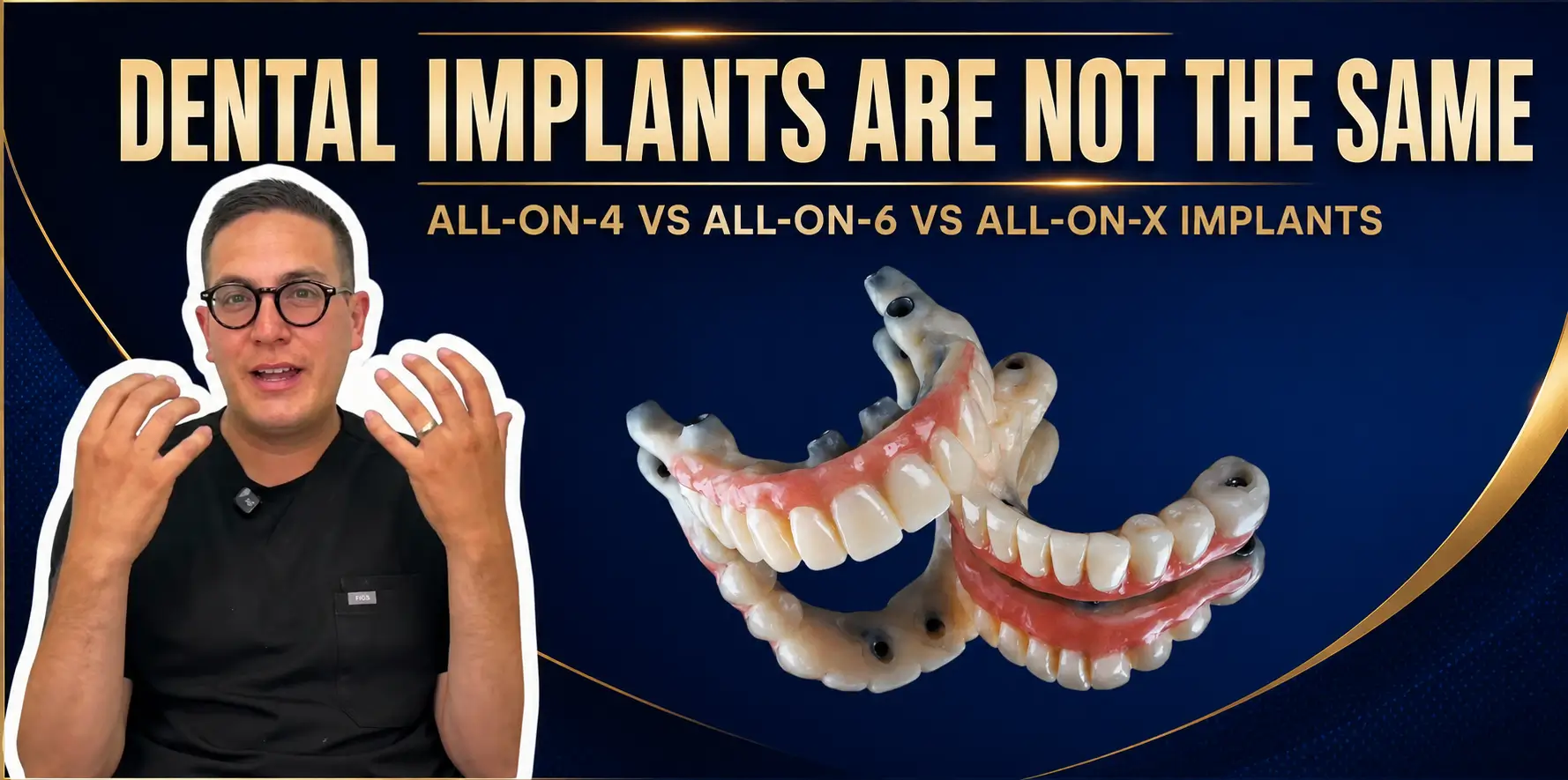
All-on-4 vs All-on-6 vs All-on-X Dental Implants: Which Full-Arch Option Is Right for You?
September 1, 2026
If you are missing most or all of your teeth—or you have failing teeth that may need to be replaced—you may have already...
Teeth in a Day: A Traveler’s Guide to Same-Day Dental Implants in Las Vegas
August 28, 2026
Teeth in a Day: A Traveler’s Guide to Same-Day Dental Implants in Las Vegas. Discover what to expect when visiting Las Vegas for...