

May 13, 2019

Dental procedures, from cleanings to root canals, are crucial for maintaining oral hygiene. However, they can cause mental stress to some patients; studies indicate that up to 60% of people experience anxiety surrounding dental visits, and that 5-10% of people suffer from dental phobia. That’s where conscious sedation can help.
Many patients who suffer from dental stress or phobia find that conscious sedation offers relief, allowing them to undergo the dental procedures they need to stay healthy.
The Effects of Conscious Sedation
Conscious sedation is sometimes known as “sleep dentistry,” but it doesn’t actually put you to sleep. You remain fully awake and responsive to verbal commands or light touches from your dental care team.
Unlike deeper sedation options, conscious sedation will not cause speech slurring or impair cognitive functions, such as reasoning or comprehension.
“Will I know what’s happening? Will I remember it?”
That all depends on the level of sedation that you and your dentist choose. There are three options:
- Minimal sedation leaves you fully conscious but relaxed
- Moderate sedation causes grogginess, but you remain conscious
- Deep sedation brings you to the edge of sleep, but allows easy awakening
The more deeply you’re sedated, the less aware you’ll be and the less you’ll remember. We recommend you discuss these options with your dental care provider to decide which is right for you.
“How is conscious sedation different from anesthesia?”
Conscious sedation, or sedation dentistry, is not general anesthesia. It doesn’t render you fully unconscious and unresponsive like anesthesia. It does, however, relieve your anxiety about being in the dentist’s chair.
“Will I feel pain?”
Sedation alone does not eliminate pain, so you should discuss whether or not you will need a local anesthetic with your dentist.
Conscious Sedation Drugs
There are three different categories of drugs used for conscious sedation in dentistry:
- Inhaled minimal sedation uses laughing gas, to lightly sedate you. The dentist can control the level of sedation and it usually wears off quickly after the procedure.
- Oral sedation requires you to take a pill, typically something from the Valium family. You usually take it an hour before the procedure. The dosage depends on the sedation level you and your dentist decide on.
- Intravenous (IV) sedation delivers the sedative through your veins. It’s easier for the dentist to adjust during the procedure and it works more quickly than the oral method. In some cases, you may receive both oral and IV sedation. Drugs often used for this method include Valium, Ativan, and Midazolam.
“How long do the effects last?”
That depends largely on the type of sedation you receive and your own body chemistry. Laughing gas tends to wear off fastest. You may even be able to drive yourself home (with your dentist’s permission, of course).
Oral and IV sedation can have lingering effects. You might feel drowsy, nauseated, or groggy. Expect to take the day off from work and avoid operating heavy machinery or precision tools.
“Is conscious sedation right for me?”
If you suffer from anxiety that keeps you out of the dentist’s chair, conscious sedation is a good option to consider. To learn more, or to schedule a free consultation, please visit the Lasting Smiles Dental Care sedation FAQ.
Share
Recent Articles

Transform Your Smile with Composite Veneers in West Covina | Lasting Smiles
October 21, 2026
Considering composite veneers in West Covina? Discover everything you need to know about costs, same-day application procedures, pros and cons, and how composite...

The Ultimate Teeth Payment Plan Guide: Can Full-Mouth Implants Fit Under $300/Month?
October 14, 2026
Discover how flexible teeth payment plans, 0% APR financing, and low monthly payment options can make full-mouth dental implants fit comfortably into your...
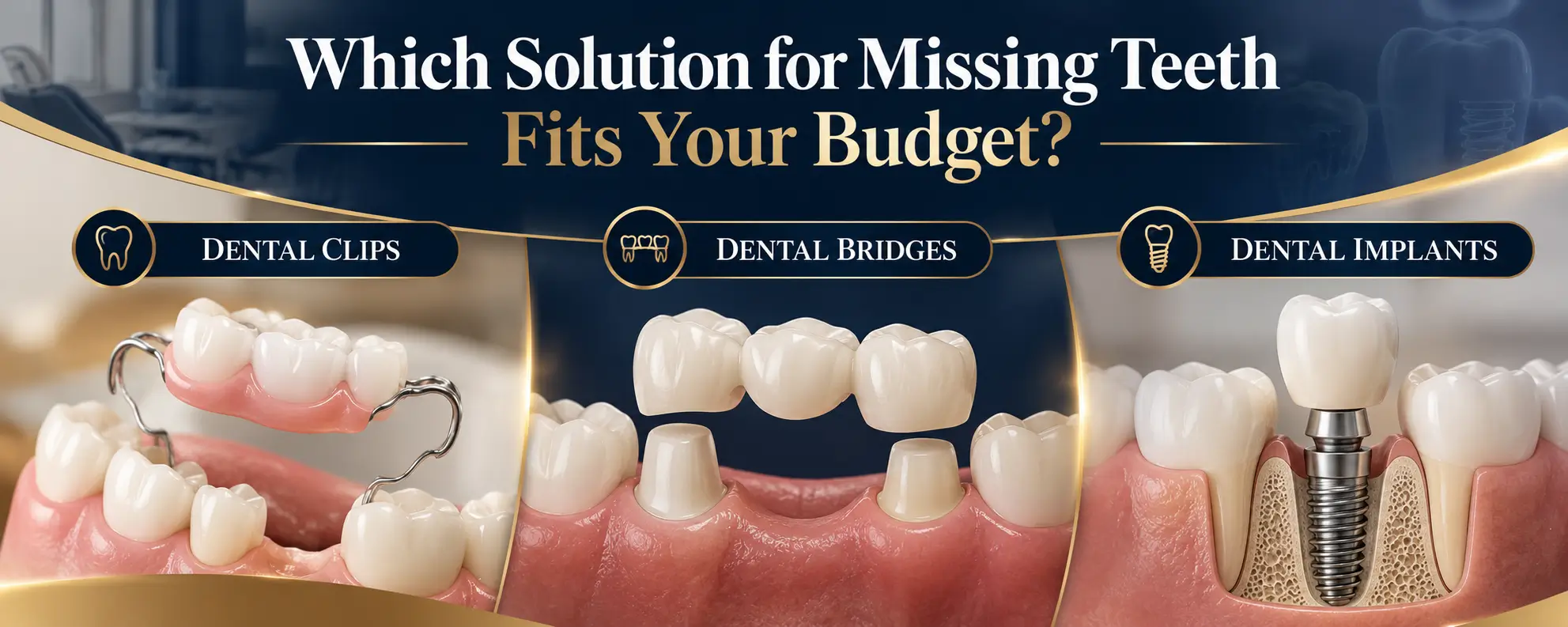
Dental Clips vs Dental Implant vs Dental Bridges: Which Solution for Missing Teeth Fits Your Budget?
October 6, 2026
Deciding between a dental clip, a bridge, or a dental implant? Discover how each option compares in upfront cost, lifespan, maintenance, and long-term...