

July 15, 2026
Replace Your Missing Tooth with a Permanent Single Dental Implant
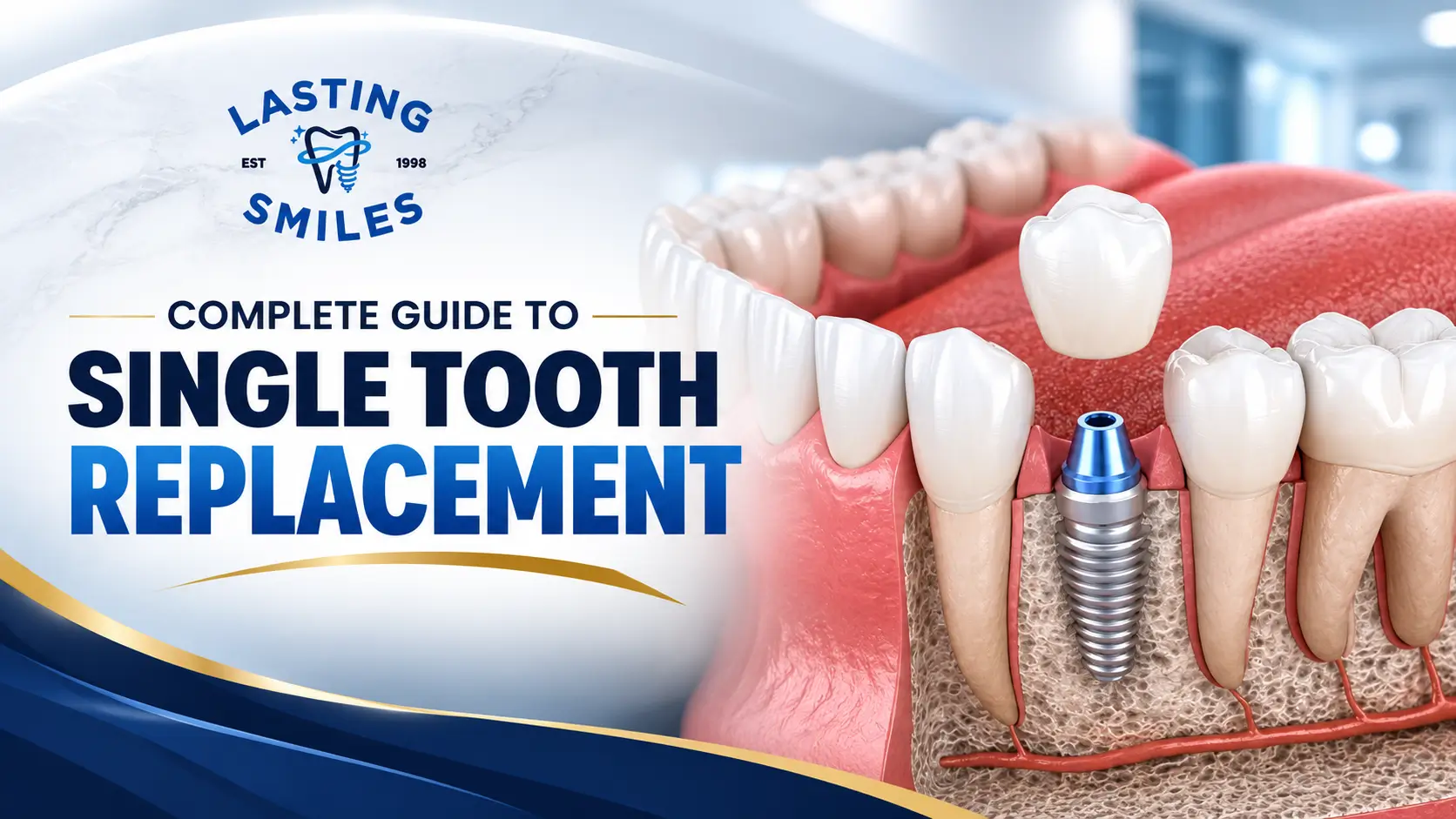
A single dental implant is a permanent, three-part tooth replacement system designed to restore one missing tooth from root to crown. Unlike removable partial dentures or dental bridge solutions that depend on neighboring teeth for support, a single tooth implant is anchored directly into the jawbone using a titanium post that functions as an artificial tooth root – making it the closest modern dentistry has come to replicating a natural tooth.
This guide covers everything you need to know about the single tooth dental implant: how it works, what each component does, the step-by-step dental implant procedure, candidacy requirements, benefits over alternatives, cost considerations, and common challenges patients face. Whether you’ve recently experienced tooth loss from injury, decay, or extraction, or you’ve been living with a gap for years, this resource is built for adults seeking a long term solution to replace one tooth permanently.
The direct answer: A single dental implant replaces one missing tooth by surgically placing a titanium post into the jawbone, attaching a connector (abutment), and topping it with a custom crown that matches your natural teeth in shape, color, and function. The procedure typically takes about eight months to complete from start to finish, with success rates between 95% to 98% over ten years.
Here’s what you’ll gain from this guide:
- A clear understanding of all three implant components and how osseointegration works
- How single implants compare to bridges and partial dentures in longevity, cost, and oral health impact
- The full treatment timeline and what to expect at each stage
- Who qualifies as an ideal candidate and what disqualifies some patients
- Realistic cost breakdowns and financing strategies to make treatment accessible
Understanding Single Dental Implants
A single dental implant is a standalone tooth replacement system that restores both the visible tooth and the missing tooth root beneath the gumline. It is made up of three distinct parts – the implant post, abutment, and crown – each performing a specific function that, together, replicate the structure of a natural tooth.
What sets a dental implant apart from a dental bridge or full or partial dentures is its independence. A bridge requires grinding down adjacent healthy teeth to serve as anchors, while removable partial dentures use clasps that can stress surrounding teeth and gum tissue over time. A single implant stands on its own. It doesn’t touch, alter, or rely on nearby teeth, and it integrates directly with the jawbone for a permanent solution.
Components of a Single Dental Implant
Every single tooth implant consists of three parts working in sequence:
The implant post is a small titanium screw that an oral surgeon or experienced dentist places into the jawbone at the implant site. It serves as the artificial tooth root, providing the foundational anchor for the entire restoration. Single tooth implants use a titanium post as a root because titanium is biocompatible – the body doesn’t reject it – and it bonds directly with living bone over time.
The abutment is a connector piece that attaches to the top of the implant post once healing is complete. It projects through the gum tissue and provides the structural platform on which the visible tooth sits. Abutments come in different materials (titanium or ceramic) and are selected based on where in the mouth the replacement tooth will be placed.
The crown is the visible portion – the new artificial tooth that patients see and use daily. The custom-made crown matches the shape and color of existing teeth, blending seamlessly with surrounding teeth. It’s fabricated from durable materials like porcelain or zirconia and is designed to handle normal biting and chewing forces.
Together, these three components create a complete new replacement tooth that looks, functions, and feels like a natural tooth.
Osseointegration Process
Osseointegration is the biological process that makes dental implants possible. It refers to the direct structural and functional connection between living jawbone and the surface of the titanium post – essentially, bone-implant fusion. Without successful osseointegration, an implant cannot support the forces of chewing and biting.
Healing time for implants can take two to six months, depending on the patient’s bone density, overall health, and implant location. Many patients are fully healed after six months. During this healing process, bone cells grow into the microscopically rough surface of the titanium post, locking it in place with a grip that rivals the stability of a natural tooth root. The lower jaw typically heals faster than the upper jaw due to denser bone structure.
Titanium is the ideal material for this process because it forms a chemically inert oxide layer on its surface almost instantly, which the body accepts rather than rejects. Modern implant surfaces are often treated with acid-etching or grit-blasting to increase roughness at the microscopic level, encouraging faster and stronger bone cell attachment.
This biological foundation – bone physically fusing to metal – is what gives a single dental implant its remarkable longevity and stability, and it’s also what drives the treatment timeline that patients should understand before beginning.
Benefits and Applications of Single Dental Implants
Because osseointegration creates a root-level bond between the implant and jawbone, the benefits of a single tooth implant extend far beyond simply filling a visible gap. A dental implant replaces not just the tooth but also the function of the missing tooth root, which has cascading positive effects on aesthetics, daily function, and long-term oral health.
Aesthetic Advantages
A single dental implant delivers the most natural looking tooth replacement available. The custom crown is shade-matched and shaped to blend with your natural teeth, and because the implant supports healthy gum tissue around it, there are no visible metal clasps, acrylic bases, or artificial-looking components.
Unlike a dental bridge, which can sometimes create a visible gap between the false tooth and the gumline, an implant emerges through the tissue like a natural tooth. This preserves your facial structure and smile line – particularly important when replacing a front tooth in the aesthetic zone. Patients often report that friends and family can’t tell which tooth is the implant.
Functional Benefits
A single implant restores full chewing and biting capability. Because the titanium post transfers force directly to the jawbone – just like a natural tooth root – patients experience no dietary restrictions, no slipping during meals, and no clicking sounds that are common with removable dentures.
Speech patterns remain completely natural. Removable appliances can shift during talking, causing lisping or mumbling, but a permanently anchored implant eliminates this concern entirely. Patients can eat, speak, laugh, and live without thinking about their replacement tooth.
Long-term Oral Health Preservation
Single tooth implants preserve jawbone health after tooth loss. When a tooth root is missing, the bone beneath it begins to resorb – gradually losing volume and density. An implant halts this bone loss by providing the mechanical stimulation that healthy bone needs to maintain itself.
Single tooth implants do not require altering adjacent teeth. This is a critical advantage over a dental bridge, which demands grinding down the enamel on neighboring teeth to create anchor points. Those prepared teeth become permanently compromised and more susceptible to decay. With an implant, adjacent teeth remain completely untouched and intact.
By maintaining bone health and protecting nearby teeth from shifting into the gap, a single implant also helps prevent the cascading bite and alignment issues that often follow when lost teeth go unreplaced. Implants can last decades with proper care – many studies show greater than 95% survival at the ten-year mark – making them a truly permanent solution for a single missing tooth.
The Single Dental Implant Process at Lasting Smiles
At Lasting Smiles, our single tooth implant procedure follows a carefully sequenced treatment plan powered by advanced digital technology and an in-house dental lab. From initial imaging to final restoration, every phase is designed to maximize precision, minimize discomfort, and deliver results that last a lifetime.
Initial Consultation and 3D Planning
The entire process begins with a comprehensive consultation, which patients should schedule as soon as they lose a tooth or are told extraction is needed – delaying treatment allows bone loss to begin at the implant site.
During this visit, our team captures detailed digital imaging using 3D cone-beam CT scans to evaluate bone density, bone structure, and proximity to critical anatomy like sinus cavities and nerves. We also examine your gum tissue for signs of gum disease, review your medical history (including conditions like diabetes or medications that affect healing), and assess whether you have enough healthy bone to support an implant.
Based on this evaluation, we develop a personalized treatment plan that covers timeline, material choices, sedation preferences, and financing options tailored to your budget. Ideal candidates for dental implants have healthy gums and sufficient jawbone. Candidates must have healthy gums without periodontal disease. Adequate bone structure is necessary for implant support – and if it’s insufficient, we’ll discuss bone grafting to build a solid foundation.
Surgical Implant Placement
Implant placement is typically performed as an outpatient procedure under local anesthesia, with sedation options available for patients who experience dental anxiety. Our team uses digitally guided surgical planning to position the titanium post at the precise angle, depth, and location within the jawbone for optimal stability and long term success.
A small incision is made in the gum tissue, and the implant post is carefully threaded into the bone. In some cases, a temporary crown or healing cap is placed to maintain aesthetics while the implant heals. Post-operative care includes avoiding hard foods for several days, and ice packs can help reduce swelling after the procedure.
Following surgery, the critical osseointegration phase begins. The implant heals and bonds with the jawbone over the next several months. During this time, patients attend periodic check-ups so we can monitor integration progress and ensure no complications arise. You can learn more about what to expect during this phase in our guide on dental implant healing stages.
Treatment Option Comparison
Before committing to treatment, it’s helpful to understand how a single implant compares to the alternatives for replacing one tooth:
Factor | Single Implant | Dental Bridge | Partial Denture |
|---|---|---|---|
Adjacent Teeth | Preserved – no alteration needed | Requires grinding down neighboring teeth | Clasps may stress nearby teeth |
Bone Preservation | Excellent – stimulates jawbone | None – bone resorbs under pontic | None – bone loss continues |
Longevity | 25+ years with proper care | 10–15 years | 5–7 years |
Maintenance | Brush and floss normally | Special floss threaders required | Remove and clean daily |
Aesthetics | Natural looking tooth, no visible hardware | Good but may show margins over time | Visible clasps and acrylic |
Upfront Cost | Higher | Moderate | Lowest |
While a single implant carries a higher initial cost, its superior longevity, bone preservation, and protection of adjacent teeth make it the strongest long-term investment. A bridge or partial denture may need replacement one or more times over the same period an implant continues to function – often narrowing the cost difference significantly over a lifetime. For a deeper cost comparison, see our analysis on whether a dental implant is worth the investment.
Crown Placement and Final Restoration
Once 3D imaging and clinical examination confirm that osseointegration is complete and the implant post is firmly integrated with the bone, we move to final restoration. The abutment is attached to the implant, and digital scans of your mouth are taken to design your permanent crown.
Our in-house digital lab fabricates the custom crown on-site, allowing for precise shade matching, shape contouring, and faster turnaround compared to outsourced labs. The crown is seated onto the abutment, and our team performs detailed bite adjustments to ensure comfortable, even contact with opposing teeth.
Every single dental implant placed at Lasting Smiles comes with a lifetime warranty on the final restoration – giving patients confidence that their investment is protected for the long haul.
Common Challenges and Solutions
While the success rate for single-tooth implants is between 95% to 98% over ten years, certain challenges can arise. Understanding these upfront – and knowing how they’re addressed – helps patients approach treatment with realistic expectations.
Insufficient Bone Density
Not every patient has enough bone at the implant site to support a titanium post, especially if a tooth has been missing for months or years. Bone grafting may be required if bone density is insufficient. This involves placing bone material (from your own body, a donor, or a synthetic source) at the deficient site to rebuild volume and strength.
Bone grafting adds approximately three to six months of healing time before implant placement can proceed, extending the total timeline to seven to twelve months. In the upper jaw, proximity to sinus cavities may require a sinus lift procedure. While this adds to both the timeline and cost, it creates the foundation necessary for a stable, lasting implant. Uncontrolled health conditions can disqualify candidates for implants, so medical optimization before surgery is essential.
Healing and Integration Concerns
Osseointegration failure may necessitate implant removal, though this is uncommon when patients follow post-surgical protocols. Candidates should maintain good oral hygiene for implant success – daily brushing and flossing are essential for implant care. Infections may develop after the procedure, requiring careful post-operative care including prescribed rinses and antibiotics when indicated.
Nerve damage during surgery can cause persistent sensory problems, and sinus complications may arise if implants penetrate sinus cavities, though advanced 3D planning and guided surgery significantly reduce these risks. Implant failure can occur due to inadequate oral hygiene, smoking, or uncontrolled systemic conditions. Watch for warning signs like persistent pain, swelling, or implant mobility, and contact our office immediately if they occur.
Cost and Insurance Coverage
Single tooth implant costs range from $1,646 to $4,157, with the average cost for a single tooth implant sitting at $2,143. Geographic location can influence the cost of implants, and bone grafting may increase the overall cost. Insurance typically covers less than 10% of implant costs, leaving most patients with significant out-of-pocket responsibility.
At Lasting Smiles, we offer flexible financing options and payment plans designed to make treatment accessible. Our team also provides insurance coordination assistance to help maximize whatever benefits your plan does offer, including pre-authorization support and claims guidance.
Conclusion and Next Steps
A single dental implant is the gold standard for replacing one missing tooth. It’s the only option that restores both the visible tooth and the missing tooth root, preserving jawbone health, protecting adjacent teeth, and delivering a natural looking tooth that can last decades with proper care. With success rates between 95% and 98% over ten years and no impact on neighboring teeth, it outperforms bridges and partial dentures on virtually every clinical measure.
Ready to find out if a single tooth implant is right for you? Here’s how to move forward:
- Schedule a consultation at one of our Lasting Smiles locations for a comprehensive exam and 3D imaging assessment
- Gather your insurance information so our team can verify benefits and coordinate coverage before treatment begins
- Review financing options – we offer flexible payment plans to fit a range of budgets, so cost doesn’t have to be a barrier to a permanent solution
If you’re missing more than one tooth or exploring full-arch options, learn about our All-on-4 dental implant solutions or browse our full range of implant types to find the right fit for your situation.
I’d like to know my options!
- Explore our Las Vegas, Pasadena, and Irvine locations for in-person consultations and treatment.
- Read about the pros and cons of dental implants for a balanced perspective
- Check our current special offers for new patients to see if promotional pricing applies to your treatment
- Learn whether same-day dental implants might be an option for your specific case
Share
Recent Articles

Don’t Wait Until It Hurts: How Early Dental Care Can Help You Avoid Bigger Bills
September 12, 2026
Small dental problems can become bigger and more expensive when ignored. Learn how preventive dental care, regular checkups, and early treatment can protect...
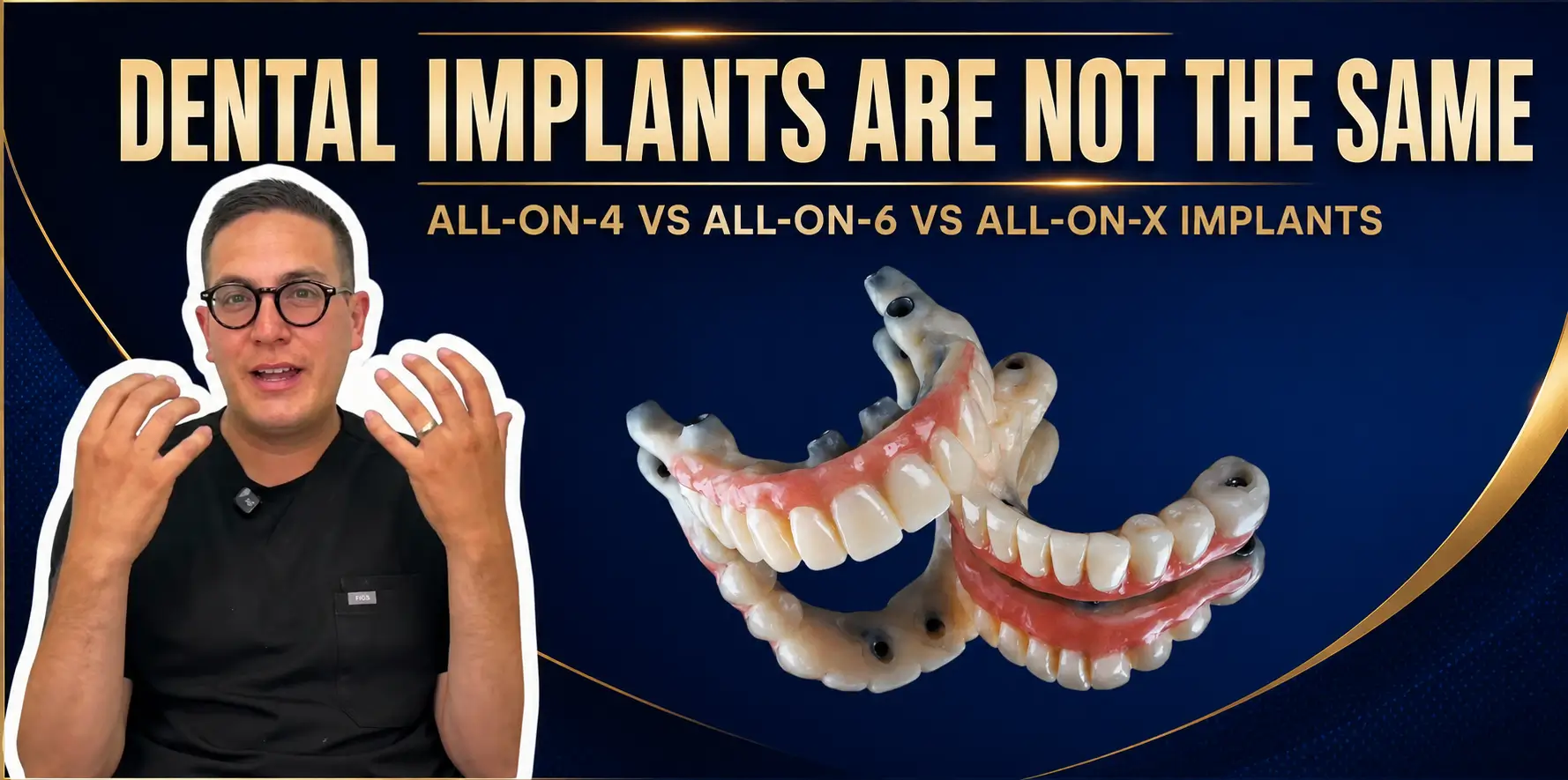
All-on-4 vs All-on-6 vs All-on-X Dental Implants: Which Full-Arch Option Is Right for You?
September 1, 2026
If you are missing most or all of your teeth—or you have failing teeth that may need to be replaced—you may have already...
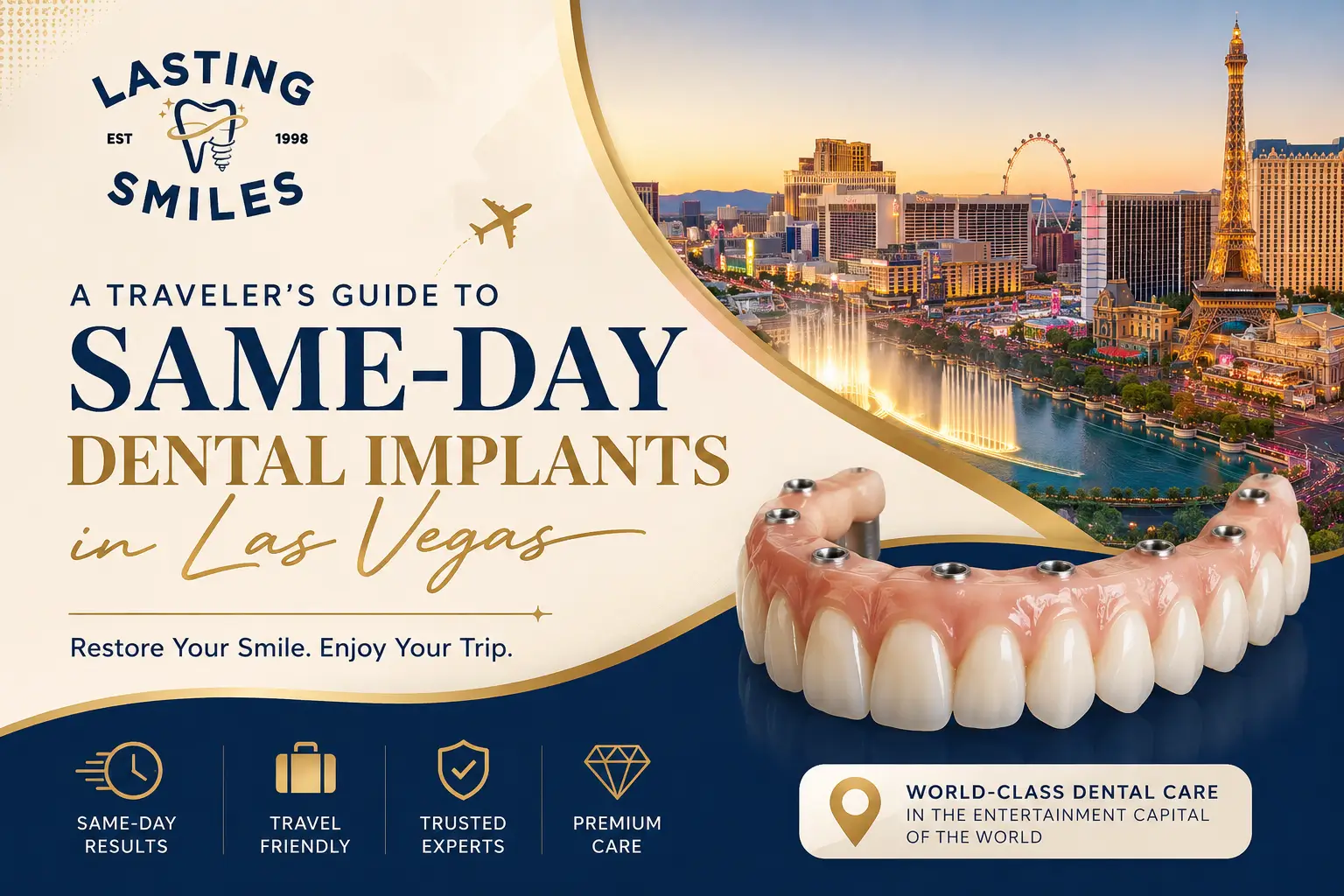
Teeth in a Day: A Traveler’s Guide to Same-Day Dental Implants in Las Vegas
August 28, 2026
Teeth in a Day: A Traveler’s Guide to Same-Day Dental Implants in Las Vegas. Discover what to expect when visiting Las Vegas for...